Film Making Courses After 12th: Courses, Fees & Eligibility 2027
Film making courses after 12th include undergraduate degrees, diplomas and short-term programs in direction, cinematography, post-production, screenwriting and related production skills. For 2027 admissions, choose the route by the work you want to perform and compare the curriculum, duration, eligibility and practical projects before applying.
AAFT offers separate cinema pathways for students interested in cinematography, film direction, post-production and a broader Diploma in Filmmaking. Follow these links to review the current 2027 course details and submit an enquiry.
What are Filmmaking Courses?
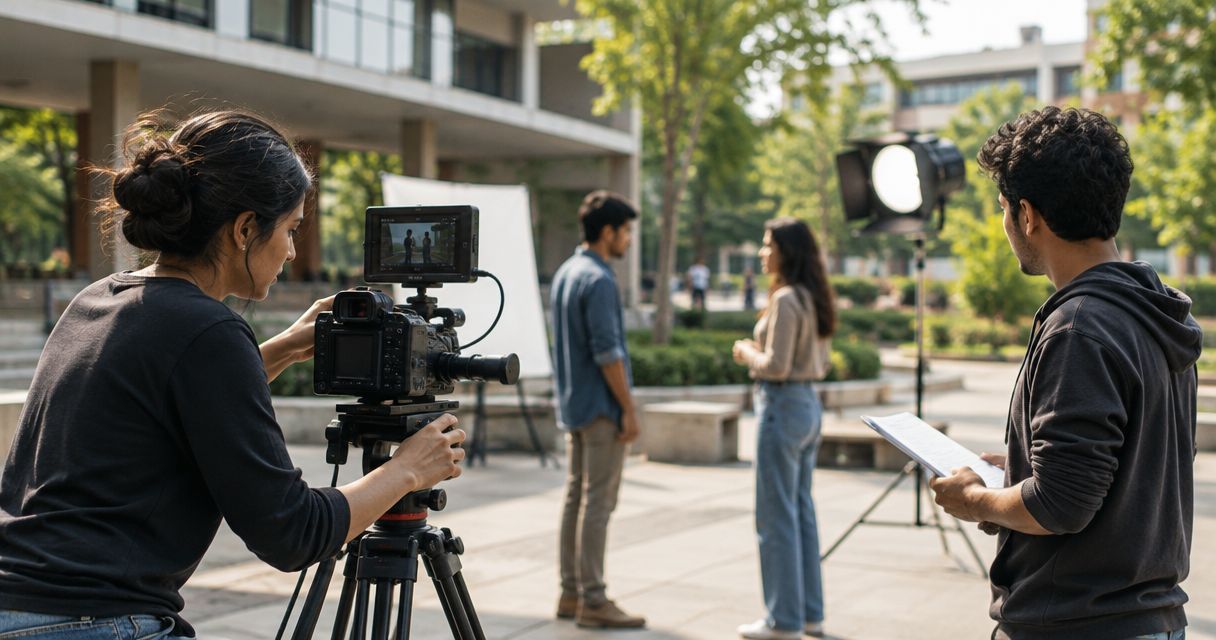
Filmmaking courses are structured programs that teach you how to transform ideas and scripts into compelling visual stories. They cover essential aspects of filmmaking, including direction, cinematography, screenwriting, editing, sound design, and film production. Depending on your career goals and level of study, you can choose from degree, diploma, and certificate filmmaking courses.
Degree courses provide in-depth academic and practical training across different stages of filmmaking, while diploma courses offer focused, industry-oriented training in specific filmmaking disciplines and are suited to learners seeking hands-on skills in a shorter duration. Certificate courses, on the other hand are designed for learners seeking specialised skills for a shorter learning pathway.
These courses combine theoretical knowledge with hands-on projects, production exercises, and practical exposure to help you build the skills required for careers in film, television, OTT, advertising, and digital media.
Why Study Filmmaking After 12th?
Filmmaking courses after 12th provide structured training across script development, production and post-production. The right 2027 course is the one whose assignments, facilities and specialization match the role you want to practise.
The film industry is a significant part of the global entertainment sector, offering vast opportunities for creative expression and innovation. With the advent of digital media, the demand for skilled filmmakers who can create content for various platforms, including cinema, television, and online streaming services, is rising.
Pursuing a professional filmmaking course can help you develop the technical expertise and creative understanding needed to thrive in this dynamic industry and contribute effectively across diverse formats.
Best Film Making Courses After 12th
AAFT’s main 2027 options for students comparing film making courses after 12th are:
| AAFT program | Best suited to | Course focus |
|---|---|---|
| B.Sc. in Cinema (Cinematography) | Students interested in camera and lighting | Visual composition, camera operation, lighting and production workflows |
| B.Sc. in Cinema (Direction) | Students interested in scripts, actors and scene execution | Screenplay interpretation, shot planning, directing and production coordination |
| B.Sc. in Cinema (Post-Production) | Students interested in editing, sound and final delivery | Editing, sound design, graphics and post-production workflows |
| Diploma in Filmmaking | Students seeking a broader filmmaking route | Direction, cinematography, scriptwriting, editing and production fundamentals |
Read each 2027 program page before applying because eligibility, curriculum and admissions steps differ by course. The program page is also where you can submit the lead form or request a call from the admissions team.
Book Now →
What are the eligibility criteria for filmmaking courses after 12th?
Students from Science, Commerce or Arts can consider filmmaking after Class 12, but the exact academic requirements and selection process depend on the program. Verify the current 2027 eligibility on the relevant course page before applying.
- Educational Requirement: Most filmmaking courses require candidates to have completed their 12th standard from any recognised board. This requirement is irrespective of the stream (Science, Commerce, or Arts).
- Entrance Exams: Some prestigious institutions may require students to pass an entrance exam that tests their general aptitude, creativity, and understanding of media. These could include specific tests conducted by individual institutions or more generalised entrance exams.
- Personal Interview and Portfolio: Certain programs might also include a personal interview and require a portfolio that can include anything from written scripts, videos made, or photography portfolios to showcase your creative abilities.
Subjects & Skills Covered in Filmmaking Courses
- Directing: Students learn about the nuances of directing, including how to interpret a script, work with actors, and coordinate with the crew to realise a cinematic vision effectively.
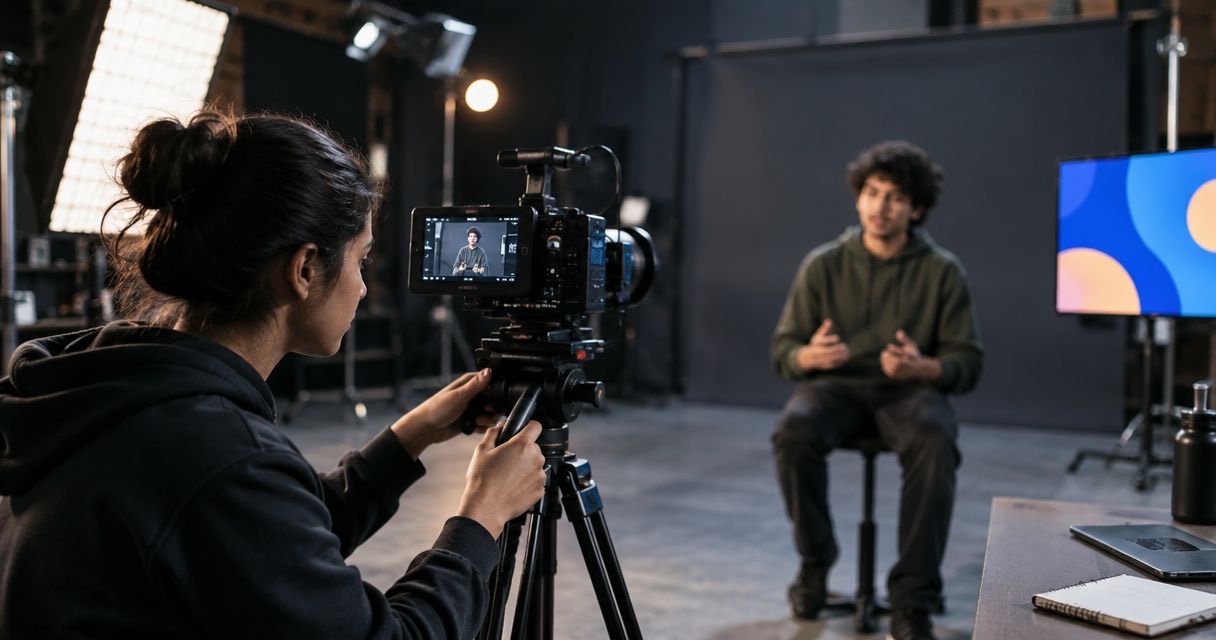
- Cinematography: This area focuses on teaching students about camera types, lens choice, lighting setups, shot composition, and movement to create visually compelling narratives.
- Scriptwriting: Courses in scriptwriting teach students how to develop plots, create complex characters, and write dialogues that resonate with audiences. It also covers different script formats for film, television, and the web.
- Editing: Students learn about different editing software and techniques to create seamless transitions, maintain pacing, and enhance storytelling through the artful assembly of footage.
- Sound Design: This involves training in capturing, manipulating, and integrating sound elements that complement the visual storytelling in a film, including background scores, sound effects, and sync sound.
Filmmaking Course duration and fees in India
Course duration and fees vary by qualification, specialization and institution. For AAFT’s 2027 intake, use the relevant course page or admissions enquiry form to confirm the current duration, fee structure, payment schedule and what the program includes before making a decision.
Career Opportunities in Filmmaking in India
- Film Director: Interprets scripts, guides actors and coordinates creative decisions across a production.
- Cinematographer: Plans the camera, lighting, lenses, composition and movement used to tell the story visually.
- Screenwriter: Develops stories, scenes and dialogue for film, television and digital formats. Read the guide to screenwriting and scriptwriting for a closer comparison.
- Film Editor: Selects and arranges footage to shape story structure, pacing and continuity.
- Sound Designer: Builds the recorded sound, effects and audio layers that support the finished film.
- Production Coordinator: Supports schedules, logistics, documentation and communication across the shoot.
Career outcomes depend on specialization, portfolio quality, experience, location and the type of production. Review the work students complete during a course rather than relying on an unsupported salary promise.
Do you want free career counseling?
Ignite Your Ambitions- Seize the Opportunity for a Free Career Counseling Session.How to Choose the Right Film School?
Filmmaking is an exciting career choice that offers extensive creative expression and opportunities to bring stories to life. When choosing a film school, consider factors such as practical training, experienced faculty, industry exposure, production facilities, and the scope of the curriculum.
Compare the four AAFT programs listed above by the role you want to practise, the projects you will complete and the current 2027 admissions requirements. Once you shortlist a course, use its page to submit the enquiry form or request a call from the admissions team.
Film Making Courses after 12th: FAQs
Q.1 What are the basic eligibility criteria for enrolling in a filmmaking course?
The primary requirement is completion of the 12th standard from a recognised board. Although no specific stream is mandatory, a background in arts or media studies can be beneficial. Some institutions may also require clearing an entrance exam or presenting a creative portfolio during the admissions process.
Q.2 Which film making course is best after 12th?
Choose an undergraduate cinema degree for deeper study of a specialization, or a filmmaking diploma for a broader, more concentrated route. Compare the 2027 curriculum and practical projects before applying.
Q.3 What is the fee for filmmaking courses in 2027?
Fees vary by qualification, specialization and institution. Check the current 2027 fee structure on the relevant course page or request it from the admissions team before applying.
Q.4 What key areas are studied in film making courses?
Students will learn about directing, cinematography, scriptwriting, editing, and sound design. Each area focuses on different aspects of film production, from conceptualizing a story to the technical details of capturing and editing footage.
Q.5 Can students from any stream study filmmaking?
Yes, students from any stream like Science, Commerce, or Arts/Humanities, can pursue filmmaking courses after Class 12. Eligibility may vary by program, but a strong interest in storytelling, creativity, visual arts, and media can help you build a successful career in filmmaking.
Q.6 How competitive is admission into filmmaking programs?
Admission competitiveness can vary widely from one institution to another. Programs at well-known film schools or universities with strong industry connections may be more competitive due to their reputation and the career prospects they offer.


AAFT Team
AAFT has been providing the world with limitless creativity and expression since 1993! Through a dynamic and industry-driven curriculum, AAFT provides engaging and captivating articles to persuasive blogs and empowers its readers to explore diverse avenues of creative media education-related content.