Fashion Designing Courses After 12th: Fees, Eligibility & Careers
Ever wondered how designers like Sabyasachi Mukherjee and Manish Malhotra turned their creative vision into celebrated fashion careers?
If you have a passion for creativity, style, and self-expression, pursuing a fashion designing course after 12th can be the first step towards turning that passion into a career. Fashion design combines artistic vision with practical skills, from fashion illustration and textiles to garment construction, styling, and trend development.
the Indian fashion industry evolving through sustainability, digital fashion, and new retail opportunities, trained professionals can explore diverse career paths. If you are searching for fashion designing courses after 12th near me, this guide covers the course options, eligibility, fees, and career scope you should know about in 2026.
Why Choose Fashion Designing After 12th?
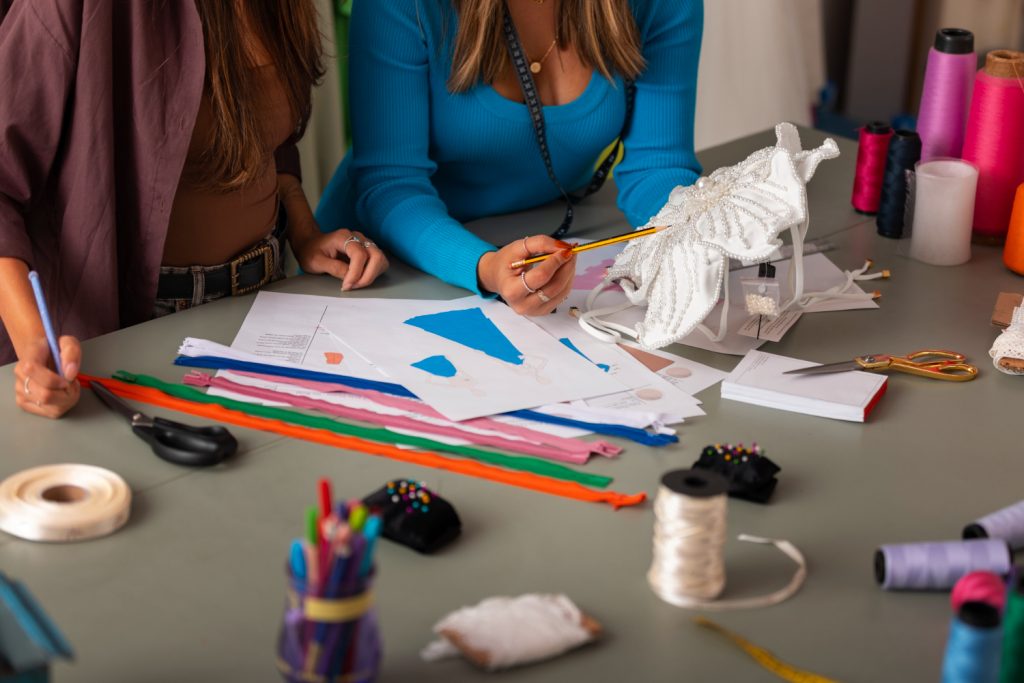
Fashion design is more than just sketching beautiful dresses; it is a comprehensive field that combines art, culture, and science to create clothing and accessories. It encompasses a variety of skills, from artistic visualization, textile knowledge, trend forecasting, and technical expertise in garment construction.
The fashion industry has always been dynamic and ever-evolving, making it an exciting career choice. With the rise of global fashion brands and e-commerce, the demand for professional fashion designers is growing. Moreover, a career in fashion design not only promises creativity and fame but also offers the potential for lucrative financial returns.
Types of Fashion Designing Courses After 12th
Bachelor’s Degree in Fashion Design
If you are looking for fashion designing courses after 12th, a bachelor’s degree offers the most comprehensive route into the fashion industry. AAFT offers both B.Des in Fashion Design and B.Sc in Fashion Design. The B.Des is a four-year undergraduate degree, while the B.Sc is a three-year programme.
Both fashion design courses combine design fundamentals with practical learning in fashion illustration, textiles, pattern making, garment construction, CAD, fashion forecasting and industry projects. These fashion designing courses after 12th can prepare you for careers as a fashion designer, stylist, merchandiser, fashion illustrator or textile designer.
Diploma in Fashion Design
For students seeking a shorter pathway, a Diploma in Fashion Design can provide focused, practical training in the fundamentals of fashion. AAFT’s one-year diploma covers fashion illustration, design thinking, textiles, pattern making, garment construction, styling, fashion trend research and portfolio development.
With a strong emphasis on practical sessions, live projects, fashion shows and portfolio building, it is suitable for beginners who want to develop industry-relevant skills without pursuing a full-length fashion design degree. It can also be a useful option for students exploring fashion design courses after 12th and looking for a quicker entry into roles such as fashion designer, stylist, illustrator or textile designer.
Master’s Degree in Fashion Design
After completing an undergraduate degree, students can pursue advanced fashion designing courses such as a Master of Design. AAFT’s M.Des in Fashion Design is a two-year postgraduate program that builds advanced skills in fashion design, pattern making, draping, sewing, digital design, fashion forecasting and sustainable practices.
Book Now →
The course combines research, specialised studio learning, industry projects, internships and expert interactions to help students develop deeper creative and professional expertise. A master’s in fashion designing can be particularly relevant for graduates seeking advanced roles in fashion design, research, entrepreneurship, creative direction or other specialised areas of the fashion industry.
Eligibility for Fashion Designing Courses After 12th
- Educational Background: Most fashion design courses require you to have completed your 12th standard from a recognized board. While students from any stream can apply, having a background in art or design can be beneficial.
- Entrance Exams for fashion designing course: Renowned institutions may require candidates to clear entrance exams like NIFT (National Institute of Fashion Technology) Entrance Exam, NID (National Institute of Design) DAT (Design Aptitude Test), or other similar exams.
- Fashion Designing Portfolio: Some colleges might ask for a portfolio that showcases your drawing and design skills. This is a crucial element for creative courses as it represents your style and capability.
Key Areas of Fashion Design Course
Fashion design courses offer a blend of theoretical and practical knowledge. Key subjects often include:
- Fashion Illustration and Design: Students learn to visualize and sketch fashion ideas, both by hand and using digital tools. This foundational skill is crucial for conveying design concepts.
- Textiles: This area covers the study of fibers, fabrics, and materials, their properties, how they’re made, and their applications in fashion. Understanding textiles is essential for creating functional and stylish clothing.
- Garment Construction: This includes learning techniques for sewing, pattern making, and draping, enabling students to transform their designs into wearable garments.
- Fashion History: Students explore the evolution of fashion styles and trends throughout different periods, which helps inform their own designs and understand industry shifts.
- Marketing and Merchandising: This covers the business side of fashion, including how to promote, market, and sell clothing. Skills in this area are critical for anyone looking to start their own fashion brand or work in fashion retail.
Fashion Designing Course Duration
The fashion designing course duration depends on the programme and level of study. At AAFT, the B.Des in Fashion Design is a four-year undergraduate programme, while the B.Sc in Fashion Design takes three years. A Diploma in Fashion Design can be completed in one year, while the M.Des in Fashion Design is a two-year postgraduate programme.
Do you want free career counseling?
Ignite Your Ambitions- Seize the Opportunity for a Free Career Counseling Session.Fashion Design Career Opportunities and Salary Expectations in India
Fashion Designer
In India, fashion designers are the creative backbone of the industry, crafting clothing, accessories, and footwear to meet both trends and individual client demands. Many professionals begin their journey with a B.Sc Fashion Designing course, which helps build a strong foundation in design principles, textiles, and garment construction. Initially, fashion designers can expect to earn between INR 3 and 6 lakhs per annum, and with experience, their earning potential increases significantly, often reaching up to INR 12 lakhs annually or more.
Fashion Illustrator
Fashion illustrators in India play a critical role in visualizing and depicting fashion designs and concepts. They typically work on a freelance basis, making their earnings quite variable. Annual salaries can range from INR 2 to 5 lakhs, depending on the volume and prestige of their work. Those who secure contracts with leading fashion magazines or luxury brands can command higher fees due to their exposure and the quality of their work.
Fashion Stylist
Fashion stylists in India create compelling looks for photoshoots, celebrity appearances, and advertising campaigns, working closely with designers and photographers to bring a creative vision to life. Many build their skills through a fashion styling course, which helps them understand trends, coordination, and visual storytelling. Starting salaries range from INR 3 lakhs per annum and can exceed INR 10 lakhs with experience, especially in high-profile projects or celebrity styling
Pattern Maker
Pattern makers are indispensable in the Indian fashion industry, turning designer sketches into practical patterns ready for garment production. They need a solid understanding of fabrics and mastery of cutting techniques. Beginners in this field can earn between INR 2.5 and 4 lakhs annually, while seasoned pattern makers working for prestigious brands can make upwards of INR 6 lakhs, reflecting their expertise and the complexity of their work.
Fashion Merchandiser
Fashion merchandisers in India are involved in analyzing market trends, purchasing materials and products, and crafting marketing strategies. They play a crucial role in connecting the production team with the market. Entry-level merchandisers might start with salaries around INR 3 lakhs per year, escalating to INR 8 lakhs or more for those in senior roles at larger retail chains or luxury fashion brands.
These career paths in the Indian fashion industry not only offer ample opportunities for creative expression but also vary in terms of financial rewards. The pay reflects an individual’s role, level of experience, and the company’s market presence. As the fashion sector in India continues to expand, these roles provide promising avenues for both career growth and personal fulfillment.
Fashion Designing Course Fees in India
In India, aspiring fashion designers can pursue a variety of programs, including diploma, certificate, and degree courses. The cost varies depending on the program type and institution. Certificate and diploma programs typically range from ₹10,000 to ₹300,000, while undergraduate degrees can cost ₹300,000 to ₹800,000 per year. Prestigious institutions may have higher fees. Thorough research is recommended to find the program that aligns with your budgetary constraints and design aspirations.
Best Fashion Designing Colleges in India
Choosing the right fashion designing college is essential for students who want to build a successful career in the fashion and lifestyle industry. The best institutes focus on creativity, technical skills, practical exposure, and industry-oriented learning to help students understand the complete fashion design process.
AAFT Noida
AAFT Noida is among the leading fashion designing colleges in India, offering a B.Sc. in Fashion Design course that blends creative learning with technical expertise. The program focuses on fashion illustration, textile exploration, garment construction, pattern making, CAD, trend forecasting, sustainable fashion practices, and portfolio development.
Students gain hands-on experience through studio-based learning, fashion shows, industry workshops, masterclasses, and live projects. With a 70:30 practical-to-theory learning approach, industry interactions, and mentorship opportunities, AAFT prepares students for careers in fashion design, styling, merchandising, and entrepreneurship.
National Institute of Fashion Technology (NIFT)
NIFT is one of India’s most recognized fashion institutes, known for its strong foundation in fashion design, textiles, technology, and management. It offers students opportunities for industry exposure, creative development, and professional growth.
Pearl Academy
Pearl Academy is a well-known creative education institute offering fashion design programs focused on contemporary design practices, innovation, and industry-relevant skills. Students receive exposure to creative projects and evolving fashion trends.
JD Institute of Fashion Technology
JD Institute of Fashion Technology provides fashion education with a focus on design concepts, practical skills, and professional development. Its programs help students explore areas such as fashion design, styling, and entrepreneurship.
Choosing the Right Institution for Fashion Design
When selecting a college or university, consider factors like faculty expertise, infrastructure, industry links, and internship opportunities. Choosing a fashion designing institute like AAFT Noida with strong placement support can significantly enhance your career prospects.
Read more: Best Fashion Designing Colleges in Delhi NCR 2026 – Fees, Colleges & Career Scope.
Latest Trends in Fashion Designing in 2026
In 2026, sustainability and technology are leading the way. Designers are increasingly adopting eco-friendly practices and integrating AI into their design processes. Additionally, the digital fashion space is expanding, with opportunities in creating virtual clothing for online platforms.
Conclusion
A course in fashion design can open doors to a vibrant and exciting industry, offering numerous opportunities for creative expression and professional growth. As the fashion landscape continues to evolve, equipped with the right skills and knowledge, you will be well-prepared to make your mark in this glamorous field. Choose wisely and take the first step towards a rewarding career in fashion design. The AAFT School of Fashion offers various programs tailored to students eager to dive into the fashion world. Explore our diverse courses to find the program that best fits your aspirations.
FAQs
Q.1 What is the eligibility for fashion designing after 12th?
Most fashion design courses require you to have completed your 12th grade from a recognized board. While students from any stream can apply, having a background in art, design, or home science can be advantageous.
Q.2 Which fashion designing course is best after 12th?
A B.Des in Fashion Design is a strong choice after 12th for students seeking comprehensive training in fashion design, garment construction, textiles, and industry practices. A B.Sc or diploma can also be considered based on the student’s career goals.
Q.3 How long does it take to complete a fashion design course?
Diploma courses usually last one year, while Bachelor’s degrees are typically four years long. Master’s degrees and postgraduate diplomas can vary between one to two years, depending on the program’s focus and structure.
Q.4 What is the salary of a fashion designer in India?
The salary of a fashion designer in India varies based on experience, skills, location, and employer. Entry-level fashion designers can typically earn around ₹3–5 LPA, while experienced professionals can earn significantly more.
Q.5 Is fashion designing expensive in India?
The cost of fashion designing courses in India varies depending on the institute, programme, duration, and facilities offered. Students can choose from undergraduate, postgraduate, diploma, and certificate programmes based on their budget and career goals.
Q.6 What is the average fee for fashion design courses?
The average fee for fashion design courses in India is around ₹4 lakh to ₹8 lakh, depending on the course level, duration, institute, and facilities offered.
Q.7 What skills are needed for fashion designing?
Fashion designing requires creativity, sketching, colour sense, knowledge of fabrics, communication, trend awareness, and attention to detail. Technical skills such as fashion illustration, garment construction, and design software can also help students build a career in the field.


AAFT Team
AAFT has been providing the world with limitless creativity and expression since 1993! Through a dynamic and industry-driven curriculum, AAFT provides engaging and captivating articles to persuasive blogs and empowers its readers to explore diverse avenues of creative media education-related content.