Build practical knowledge in hospitality, tourism, travel, and service management through hands-on learning and industry exposure. At AAFT School of Hospitality &Tourism in Noida, Delhi NCR, we offer a range of degree and diploma courses in hotel management, hospitality management, travel and tourism, and related fields, with a blend of practical training and theoretical learning to prepare students for diverse career opportunities across the hospitality and tourism industry.
18–20
Weeks Industry-training
700+
Expert Sessions
Graduate
with a real portfolio
Global
Exposure
AI
Integrated Curriculum
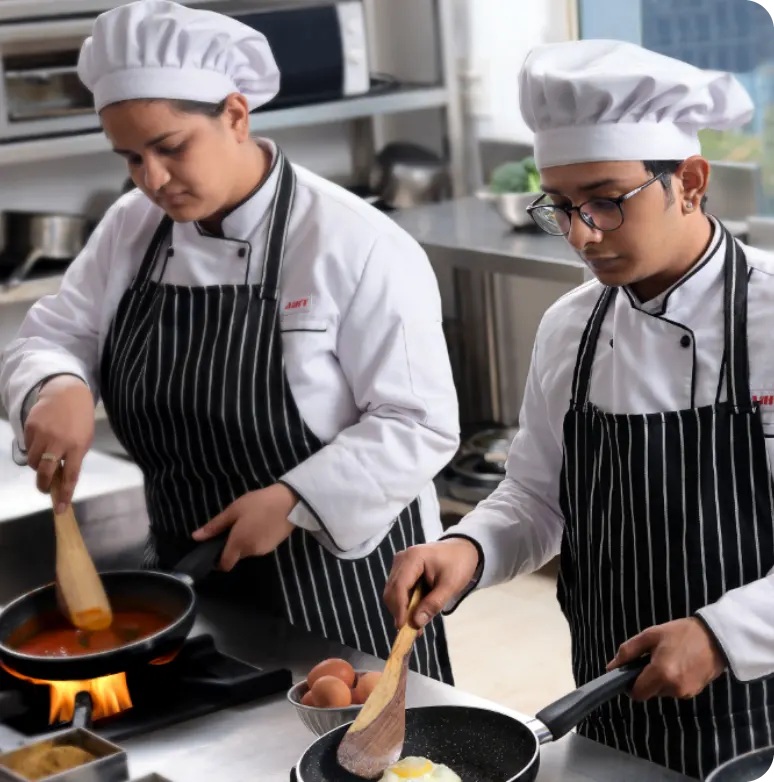
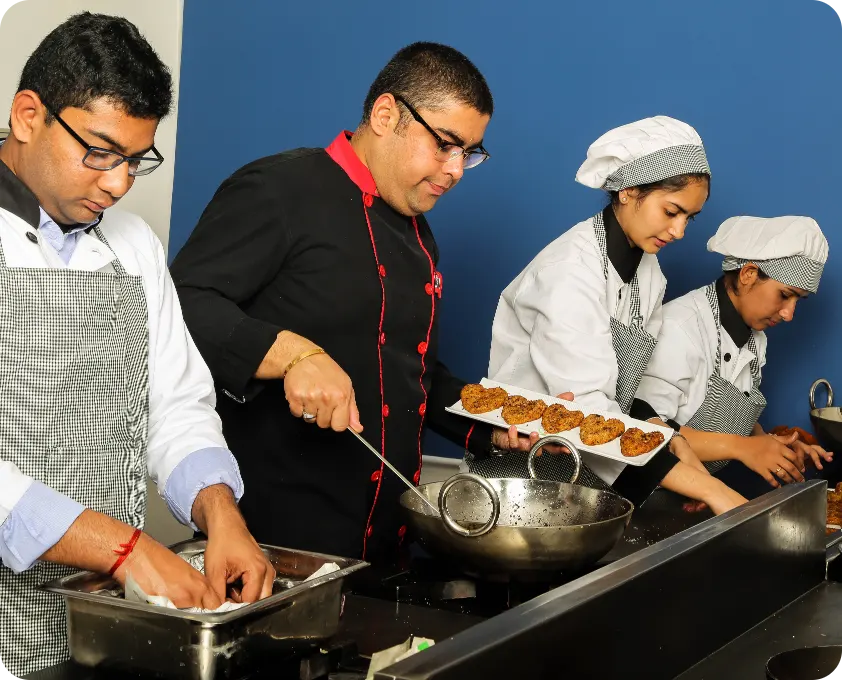
From luxury resorts to international airlines, students at AAFT School of Hospitality and Tourism will be provided with competent skills essential to succeed in the hospitality industry. Be it chef, restaurants, clubs, cruise lines or tourism; there are vast opportunities for students in this industry. Our hotel management courses open up vast career opportunities, such as General Manager, Food & Beverage Manager, Travel Expert, Entrepreneur, Bartender, Menu Planner, Restaurant Manager, Sales and Marketing Manager and so on.






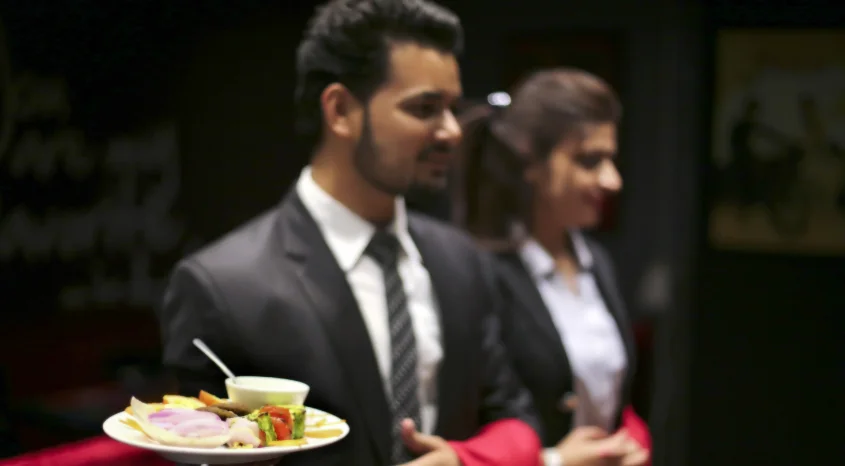
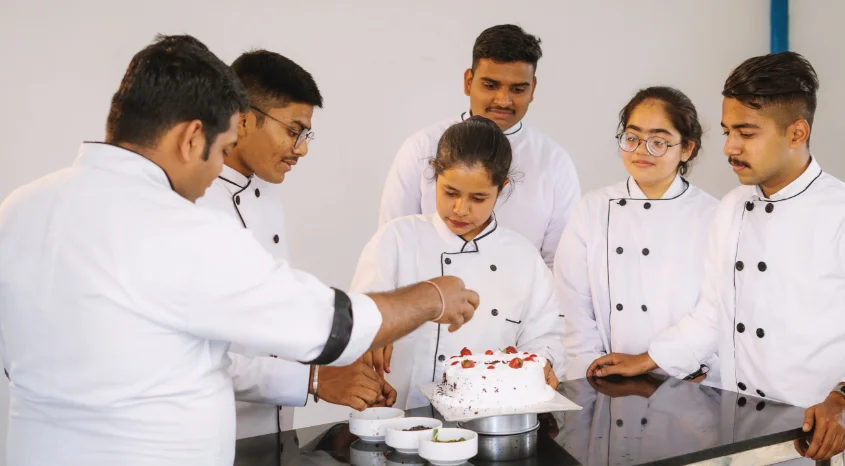
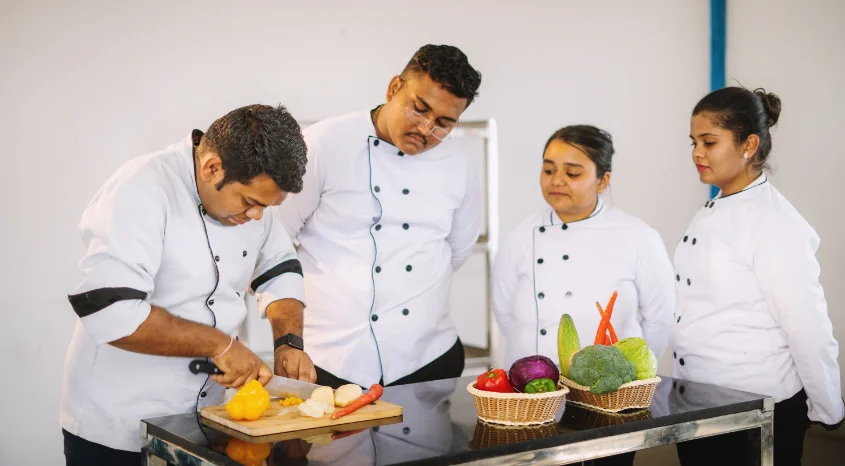
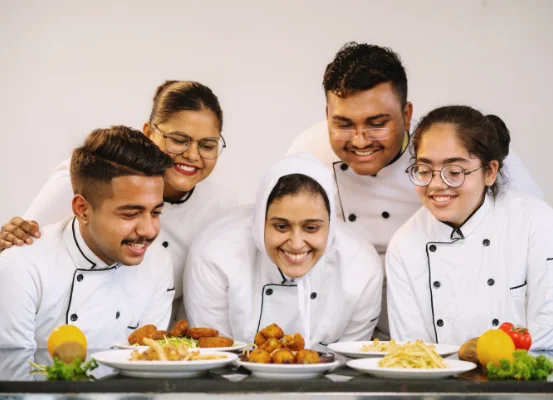
Students practise hotel management skills in professional labs and a working kitchen setup, covering front office, food and beverage service, production, housekeeping and bakery, so they are ready for real hospitality operations.
Air-conditioned F&B service lab
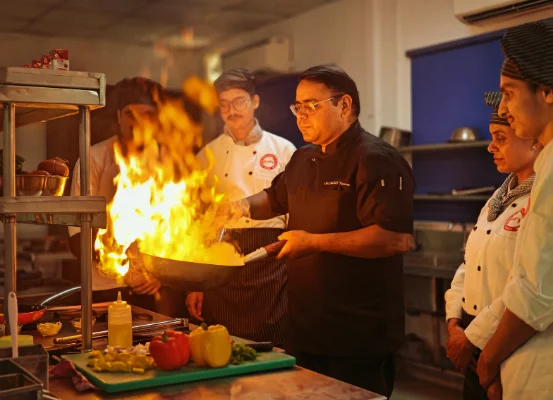
Food and Beverage Production Lab

Front office lab and lobby area
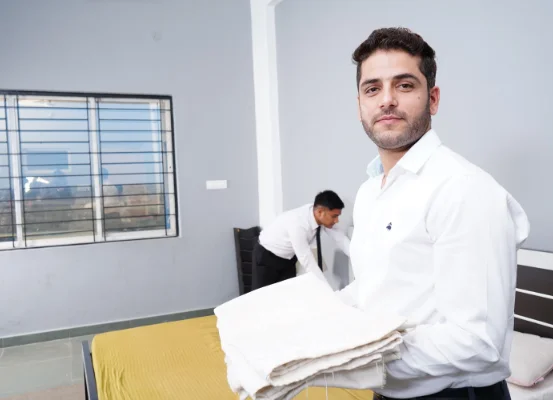
Fully Furnished Housekeeping Lab
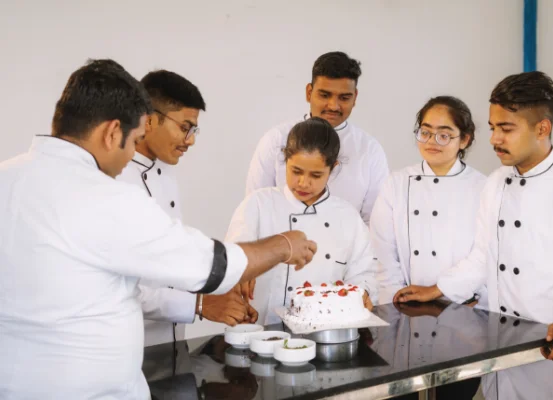
Bakery Lab
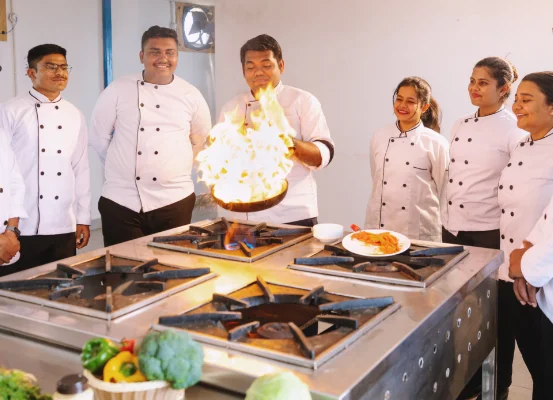
Commercial cooking ranges
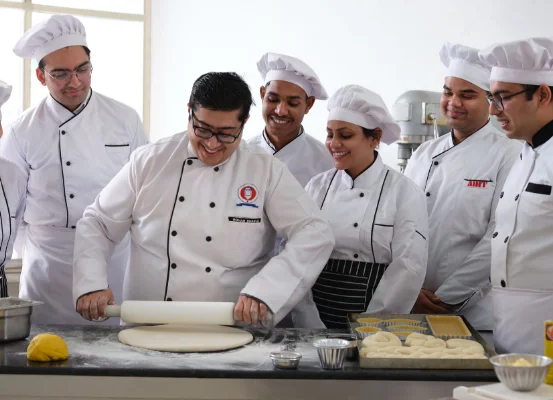
Kitchen Utensils

Mock Bar Setup
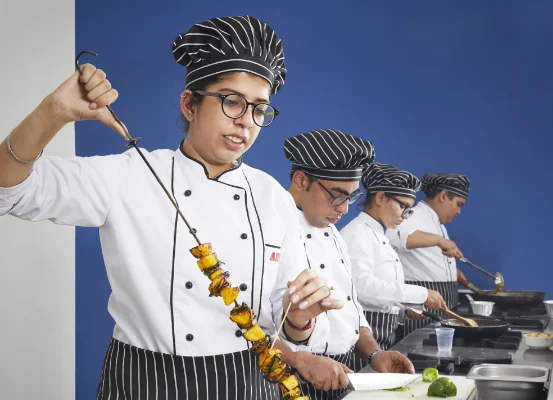
Well-equipped kitchen
From hotel operations and guest relations to food and beverage, travel planning and tourism experiences, students explore the different functions involved in creating efficient services and memorable guest experiences.

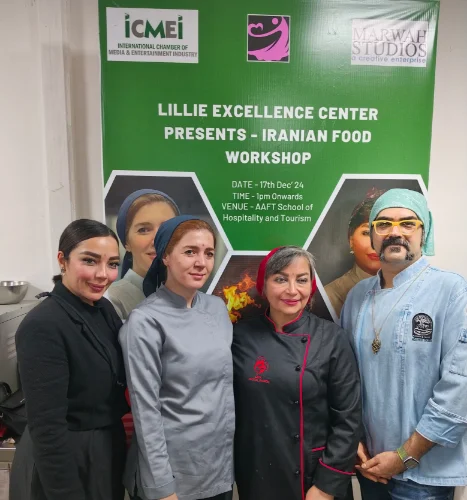
From hotel operations and guest relations to food and beverage, travel planning and tourism experiences, students explore the different functions involved in creating efficient services and memorable guest experiences.
AAFT alumni are building careers across hospitality, tourism, travel, food and beverage, hotels, resorts and guest experience, applying their hospitality management skills across diverse roles.

Mukul Sharma
Tour Manager
Royal Expeditions
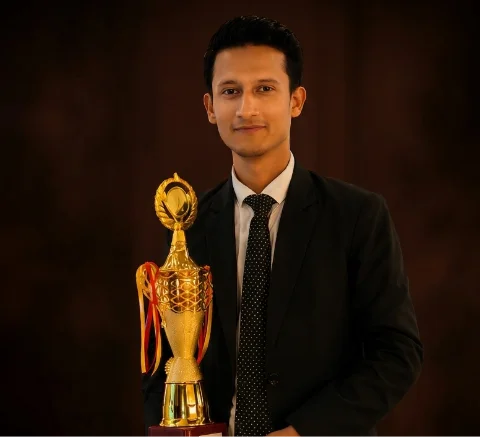
Mohd Sameer
Restaurant Manager
Rubaru Clubstraunt
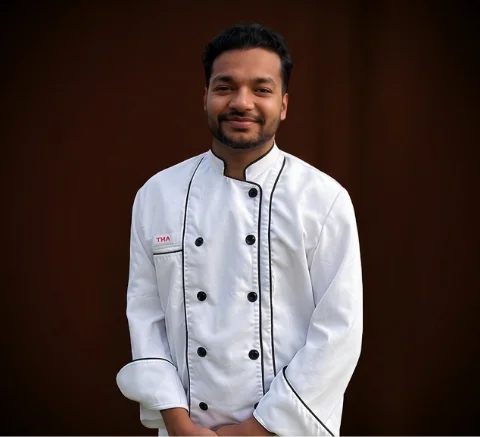
Tejasav Mehra
Chef
Domaine de la Bretèche
Hospitality is about more than service. It is about creating experiences guests remember. Hear how AAFT’s Hospitality & Tourism students experience practical learning, industry exposure and professional guidance as they prepare for careers in hospitality, travel and tourism.

Students explore global cuisines, culinary traditions, and cultural influences while developing practical insights into food presentation, service, and hospitality operations. The exhibition connects culinary experiences with tourism, showcasing how food, culture, and guest engagement shape memorable international experiences.
Explore Our Courses
A hotel management course trains students to run hotel and hospitality operations, including front office, food and beverage service, food production, housekeeping and guest relations. It combines classroom learning with practical lab work and mandatory industry training.
Most hotel management diploma and degree programs accept students who have passed Class 12 from any stream, and some diploma options accept Class 10. Exact criteria vary by programme, so check the specific program page before applying.
Duration depends on the level. Short certificate courses run for a few months, diplomas typically last one year or more, and degree programs run three to four years, including industry training.
At AAFT Noida, fees for bachelor’s programs in hotel management start from approximately ₹5 to 6 lakh, depending on the course. For fee details of other hotel management and hospitality programs, visit the official AAFT fee structure page.
The right course depends on your career goal. A degree suits long-term management roles, a diploma offers faster entry into operations roles, and culinary arts suits aspiring chefs. Compare syllabus, practical labs and industry training before choosing.
A diploma is shorter and skill-focused, helping you start working sooner. A degree takes longer but covers management subjects in more depth, suiting leadership and higher-study goals. Choose based on your timeline, budget and career plans.
Hospitality management focuses on hotels, restaurants, food and guest services, while tourism management focuses on travel planning, destinations, tour operations and visitor experiences. Both overlap in customer service, and careers often cross between the two.
The School of Hospitality & Tourism at AAFT Noida covers hotel management, hospitality management, culinary arts and travel and tourism. Browse the program pages for exact diploma and degree options, eligibility and the admission process.
Students typically study front office operations, food and beverage service, food production, housekeeping, bakery and hospitality management fundamentals. Learning happens through practical labs, including a commercial kitchen, mock bar and housekeeping lab.
It is a career-focused program covering travel planning, tour operations, destination knowledge and customer service. It prepares students for roles in travel agencies, tour companies, airlines and tourism organisations.
Graduates can work as General Manager, Food & Beverage Manager, Restaurant Manager, Chef, Bartender, Menu Planner, Travel Expert, Tour Manager or Sales and Marketing Manager, or start their own hospitality business.
Yes, at the School of Hospitality & Tourism, 18–20 weeks of industry training is mandatory. Students work in real hospitality settings, learning operations, guest service and professional standards.
Students train in a front office lab and lobby area, an air-conditioned food and beverage service lab, a food and beverage production lab, a housekeeping lab, a bakery lab and a mock bar setup.
Yes, in most cases. Hotel management and hospitality programmes generally accept students from any stream, including arts, commerce and science, if they meet the minimum qualification. Confirm criteria on the programpage.
Yes. After Class 12, you can join a culinary arts or hotel management program with food production training, then build skills through kitchen practice and industry training. Chef roles exist in hotels, restaurants, cruise lines and clubs.