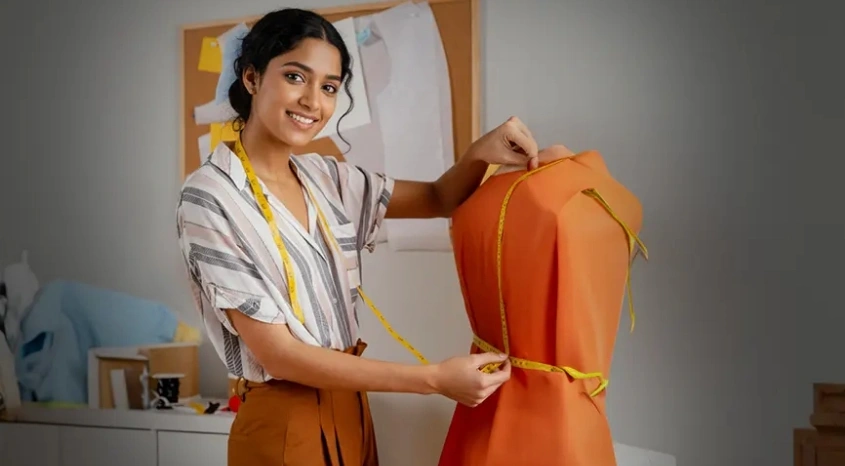
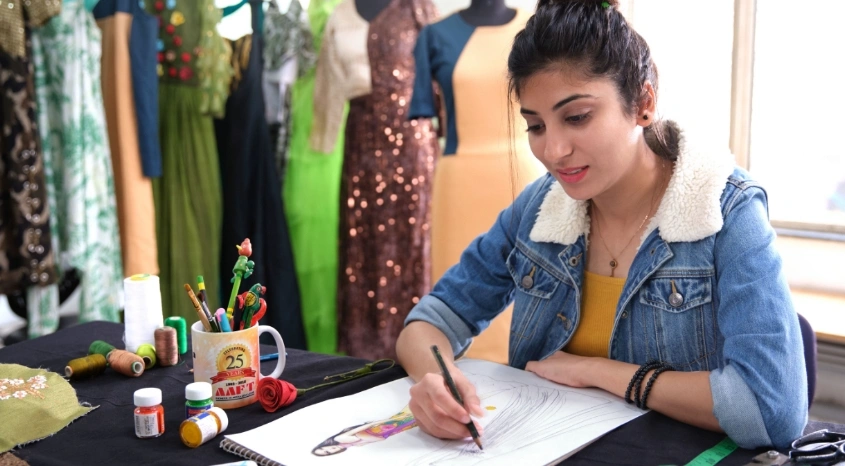
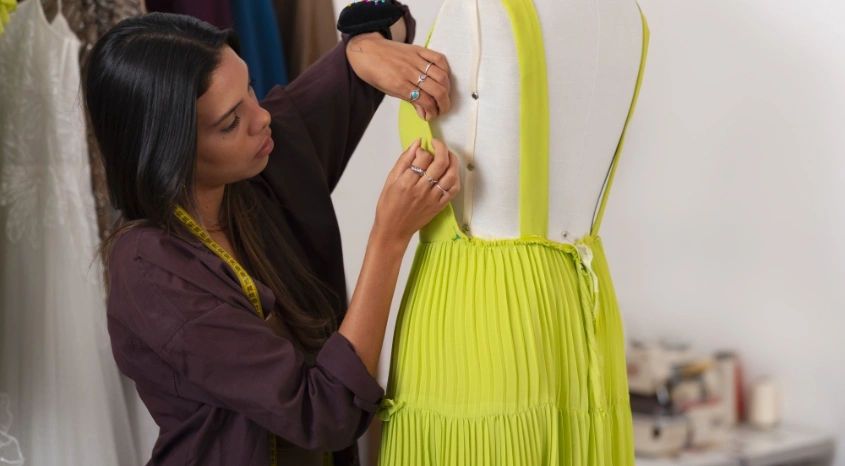
AAFT School of Fashion and Design is a hub of innovation and creativity. Our deliberate mash-up of industry, academia, and the big world beyond campus is the key to the continuing evolution of our fashion designing courses.
80+
Countries Represented on the runway
800+
Garments Showcased
4+
Annual Fashion Shows
1000+
Celebrity Interactions
4th Sem
Entrepreneurial support
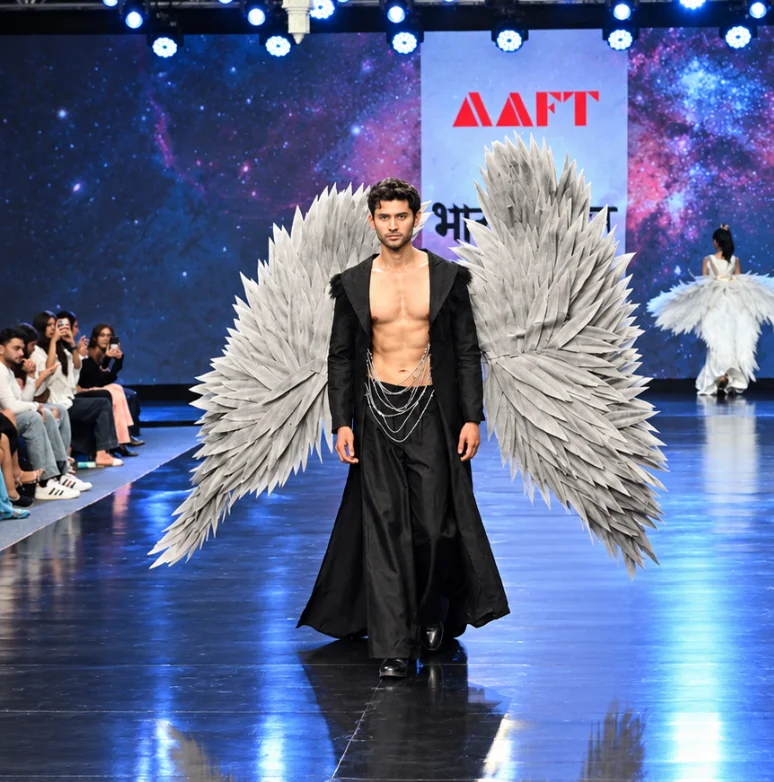
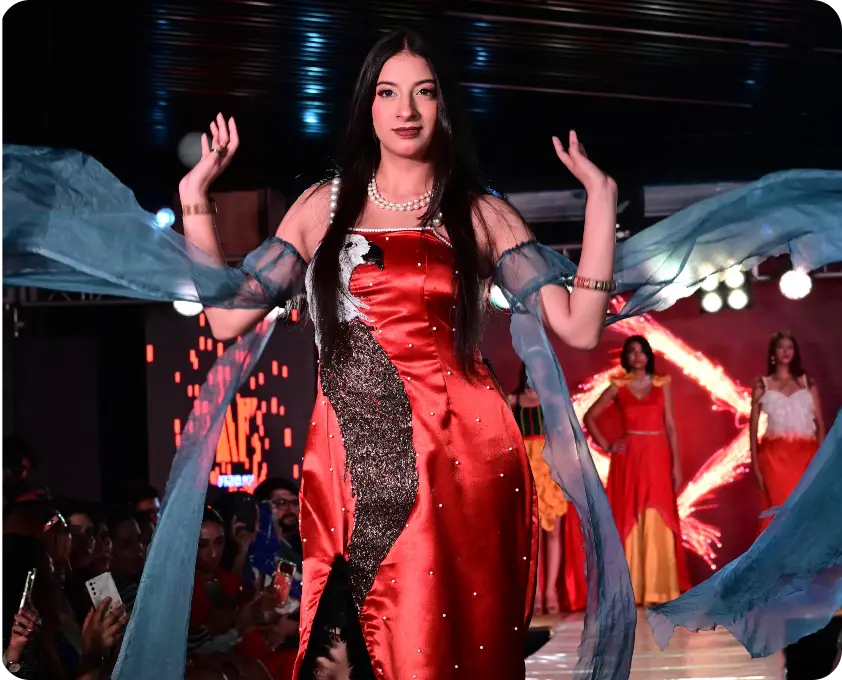
The School of Fashion and Design (SOFD) has emerged as a leader in fashion designing education. Our students work collaboratively in all disciplines, including fashion, textile, and jewelry, to produce inspiring designs.
The fashion designing institute offers specialization in fashion design, fashion communication, makeup and styling, modeling, and textile design. At SOFD, students also get the opportunity to gain international exposure through industry visits to foreign countries, such as London, Greece, Italy, and Nigeria. Through hands-on learning, live projects, and industry engagement, students pursuing a fashion design course develop a strong foundation in design thinking and creative problem-solving. They are encouraged to explore emerging trends, experiment with new ideas, and build portfolios that reflect their unique design identity.







AAFT School of Fashion and Design has a state-of-the-art infrastructure that promises to make the students gain expertise in the industry's technical aspects.
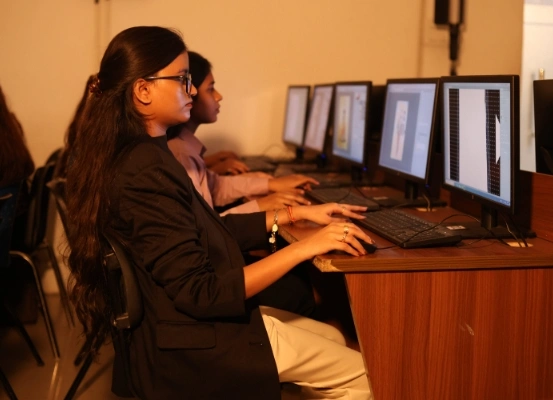
CAD Lab
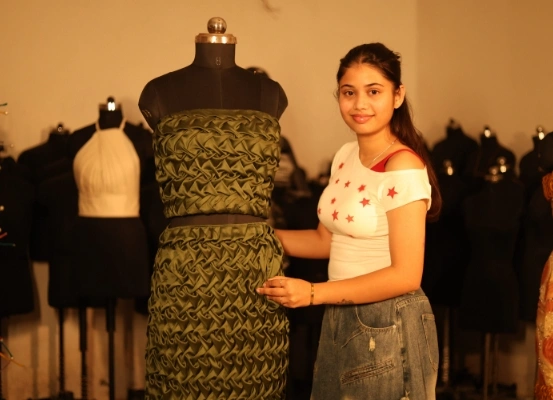
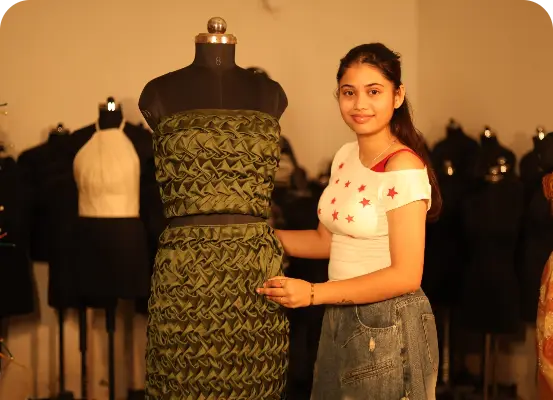
Draping Lab
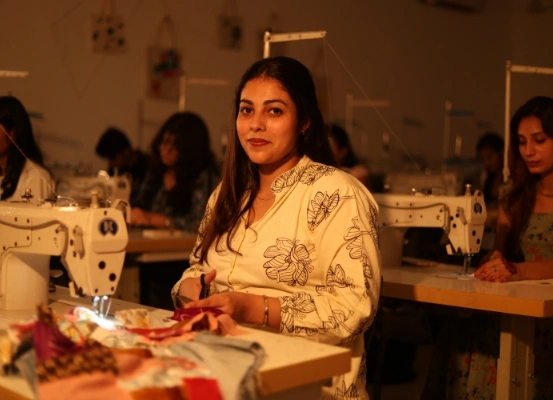
GC Lab
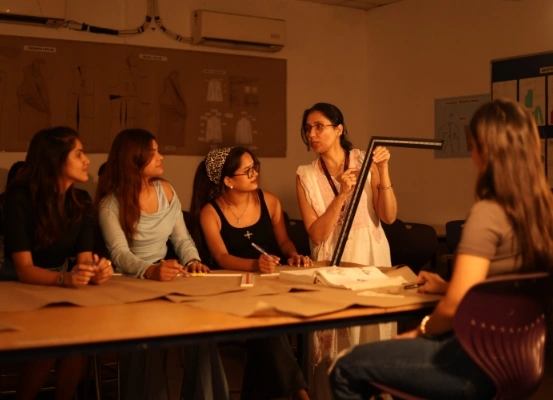
Pattern Drafting Lab
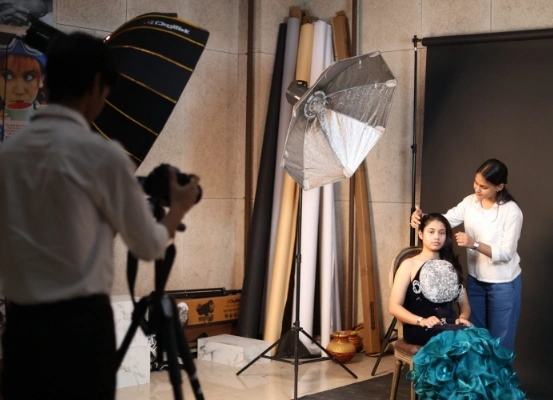
Photography Lab
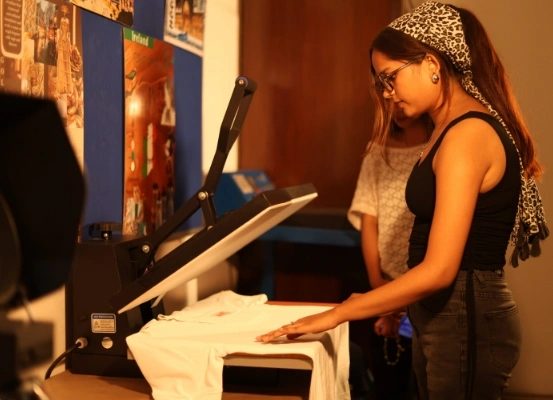
Textile Lab
Arri Alexa Camera
Black Magic URSA Mini 4k Camera
Canon 5D Mark ii Camera
Our fashion designing students learn through industry-aligned projects that mirror professional fashion practices—from garment construction and styling to textiles and collection development. Their work demonstrates the creative, technical and execution skills developed in the classroom and applied to real-world fashion.
Jasmeher Kaur
Working As: Fashion Designer
B.DES FASHION DESIGN (2021-25 BATCH)

Suhail Ahmed
Working As: Fashion Consultant
B.DES FASHION DESIGN (2017-21 BATCH)

Divya Mundra
Working As: Stylist
B.SC FASHION DESIGN (2021-2024 BATCH)

Sohan Singh Goar
Working As: Textile Designer
B.SC FASHION DESIGN (2020-2023 BATCH)

Ananya Gupta
Garment Merchandiser
PG Diploma in Fashion Design

Paridhi Kashyap
Fashion designer
B.Des in Fashion Design
(2021-2025)

Divya Gupta
Junior Designer
B.Sc in Fashion Design
(2020-2023)

At AAFT School of Fashion & Design, students gain real-world perspectives through industry visits, masterclasses and interactions with leading designers, stylists, fashion professionals and creative leaders.

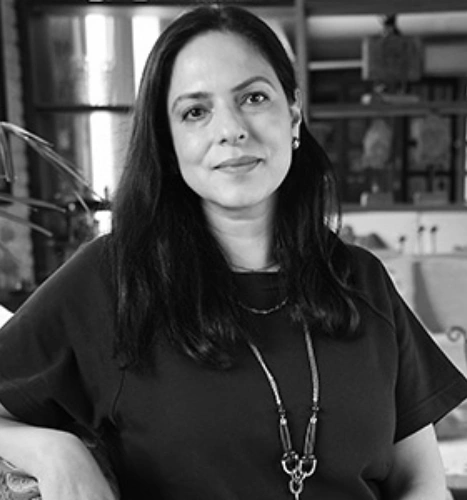

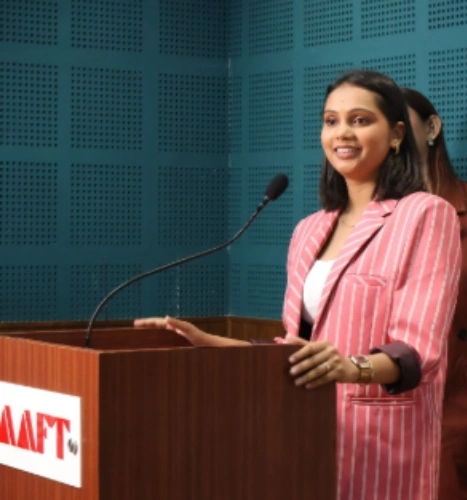
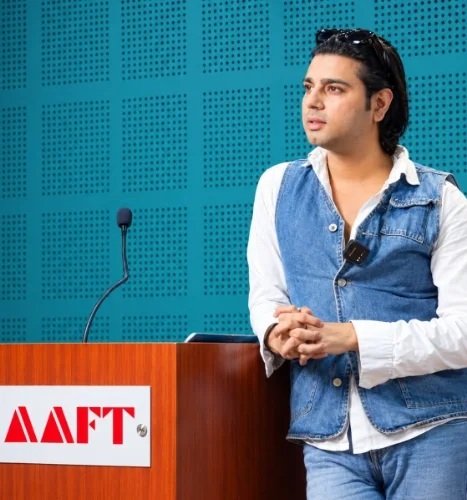
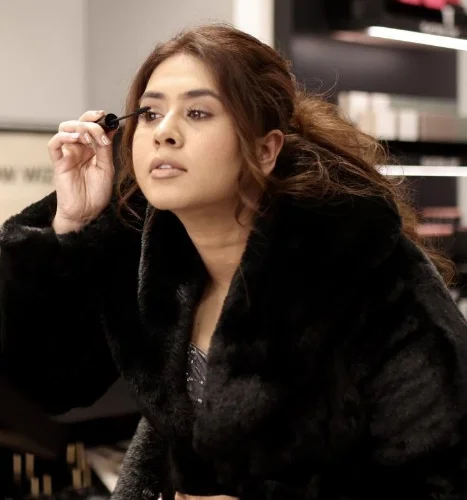
At AAFT School of Fashion & Design, students gain real-world perspectives through industry visits, masterclasses and interactions with leading designers, stylists, fashion professionals and creative leaders.
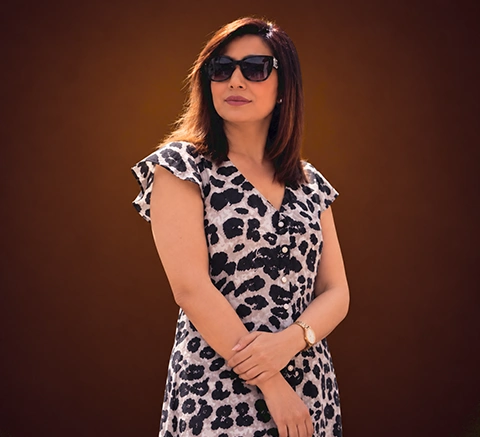
Rina Dhaka, a trailblazer in the fashion industry with a career spanning decades, is celebrated for her innovative designs that seamlessly blend traditional craftsmanship with modern aesthetics.


Rina Dhaka, a trailblazer in the fashion industry with a career spanning decades, is celebrated for her innovative designs that seamlessly blend traditional craftsmanship with modern aesthetics.
AAFT’s School of Fashion & Design alumni are building careers across fashion design, styling, communication, merchandising, retail, and creative entrepreneurship.

Kunal Rawal
Fashion Designer
Label: Kunal Rawal
Ramila Nemkul
Fashion Designer
KASA Fashion
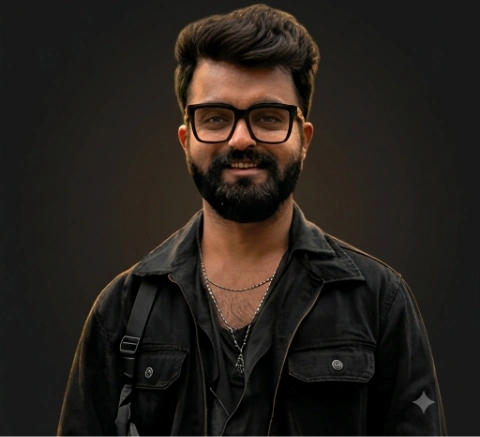
Sahil Bharadwaj
Costume Designer
Industry-collaboration: Zee5
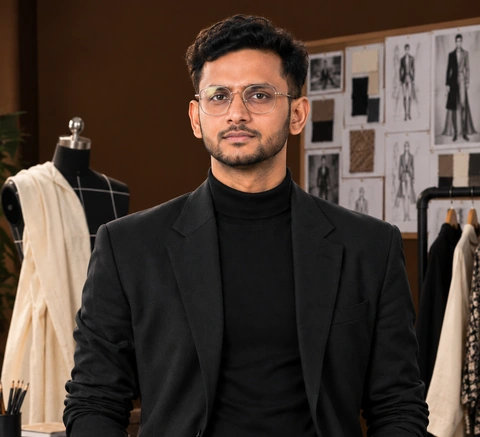
Priyanshu Tyagi
Designer
Industry-collaboration: Manish Malhotra
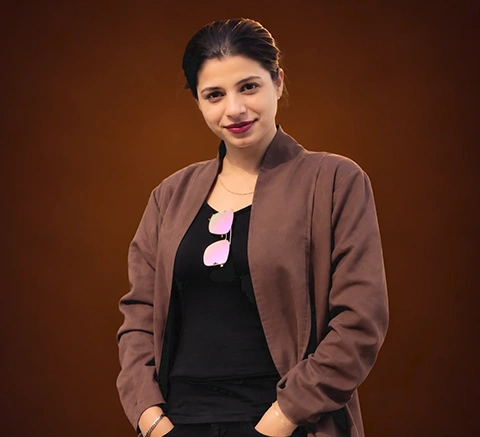
Farheen Khan
Costume Designer
Dharma Production
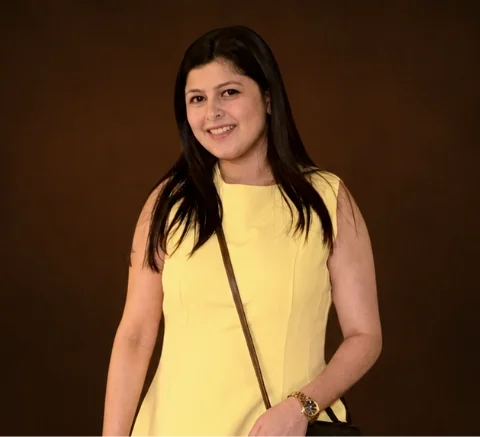
Simran Arora
Creative Head
NIPRO
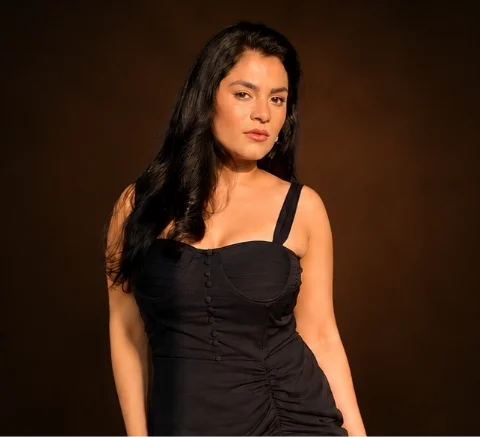
Shivani Bajaj
Fashion Stylist
Industry-collaboration: Manish Malhotra
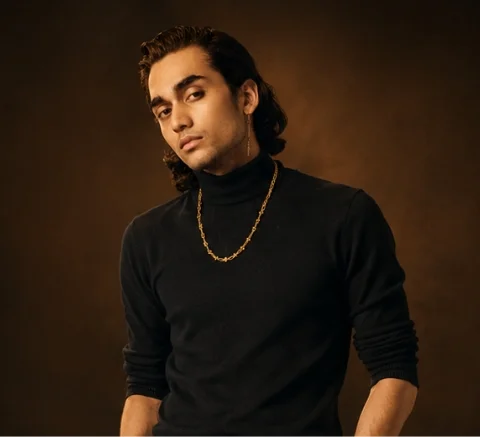
Digbijoy Majumdar
Creative Strategist
Industry-collaboration: Paulsons

Sachin Sharma
Fashion Designer
Industry-collaboration: Tommy Hilfiger
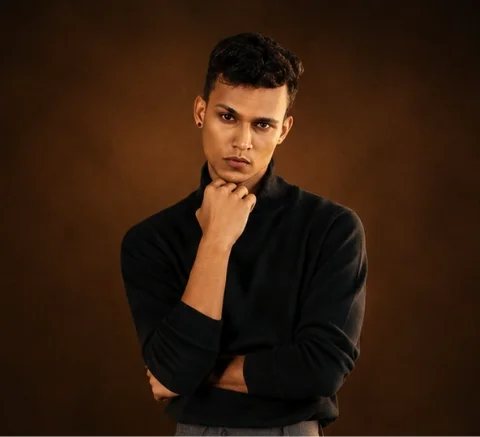
Naman
Set Designer
Industry-collaboration: Totapari
Read our students’ reviews to discover how hands-on learning and design training shape their creative skills and readiness for industry.
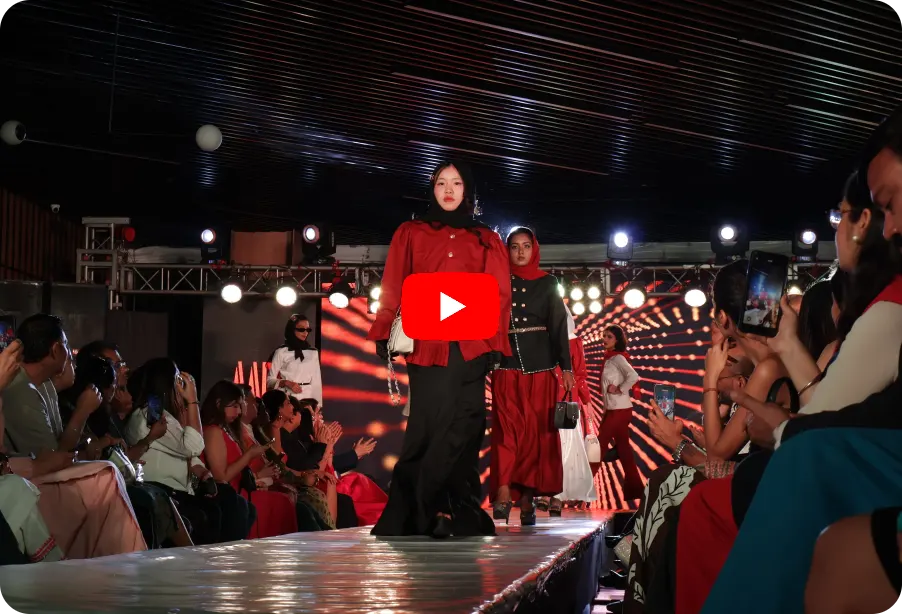
Global Fashion Design Week brings together students, designers and delegates from across the world, as students work on showcases turning classroom learning into real-time practice and building skills that directly translate to the global fashion industry
Explore Our Courses
Yes. After completing 10+2 from a recognised board, you can join a diploma, bachelor's or fashion communication programme. Diplomas run about one year, while bachelor's programmes generally take three to four years and offer deeper design training.
Most fashion design courses require a 10+2 from a recognised board. Minimum marks and entrance requirements vary by institute. AAFT's diploma programmes ask for 10+2 with 50% marks and the AAFT Global Entrance Test. Postgraduate courses require a bachelor's degree.
The best course depends on your goal. A bachelor's degree in fashion design suits a long-term design career, a diploma suits quick skill-building, and fashion communication and styling suits media-led roles. Compare the curriculum, studio facilities, faculty and placement record before choosing.
Fashion design courses in India include certificate courses (such as makeup and styling or modelling), one-year diplomas, bachelor's degrees (B.Des and B.Sc), postgraduate diplomas and master's programmes. Specialisations include fashion communication and styling, textile design and luxury brand management.
Fees vary widely by institute, course type, duration and facilities. Government institutes generally charge less than private ones, and degrees cost more than diplomas. For the current fee details of AAFT's fashion programmes, see the official fee structure page: https://aaft.com/fee_structure
Certificate courses last a few months, diplomas and postgraduate diplomas typically run one year, and bachelor's degrees generally take three to four years. Master's programmes usually take two years. Exact duration depends on the programme and institute.
A fashion design syllabus typically covers fashion illustration, pattern making, garment construction, textiles and fabric study, fashion history, colour theory, trend forecasting, and computer-aided design. Later semesters add portfolio development, collection design, branding, and fashion merchandising.
Graduates can work as fashion designers, stylists, pattern makers, merchandisers, fashion illustrators, textile designers, costume designers, or visual merchandisers. Many also launch their own labels or freelance. Employers include fashion houses, export companies, retail brands, and media and film production teams.
Fashion design salaries depend on your role, city, employer, portfolio and experience. Entry-level pay is typically modest, then rises with experience and specialisation. Designers who build their own label or work with premium brands can earn considerably more over time.
No. Basic sketching helps, but it isn't mandatory. Fashion design courses teach illustration, pattern making and design principles from the fundamentals. Creativity, curiosity about clothing and willingness to practise matter more than prior drawing ability or previous experience.
A fashion designer needs creativity, colour and fabric sense, sketching or digital illustration, pattern making and sewing knowledge, awareness of trends, and basic business skills. Communication, time management and the ability to take feedback are equally important for working with clients and teams.
Well-known options in Delhi NCR include NIFT Delhi, Pearl Academy and JD Institute of Fashion Technology, alongside AAFT School of Fashion Design in Noida. Compare curriculum, industry exposure, faculty, placements and eligibility to find the best fit for your goals and budget.
Fashion design focuses on creating garments, from sketching and pattern making to construction and collections. Fashion communication focuses on promoting fashion through styling, photography, branding, media and visual merchandising. Designers make the clothes, while communication professionals shape how they are presented and marketed.
Yes, for students with creativity and commitment. India's fashion, retail, e-commerce, textile and entertainment sectors create varied roles. Success depends on skills, a strong portfolio, industry exposure and persistence, as competition is high and early-career growth takes time.
Good fashion design courses do. AAFT's diploma programmes follow an 70:30 structure, with 70% on practical work such as studio sessions, live projects, fashion shows and portfolio development, and 30% on written assessment. This gives students hands-on experience and a professional portfolio.