Explore the world of visual art and storytelling through hands-on learning in photography, composition, lighting techniques, and experimental genres. At AAFT School of Photography in Noida, Delhi NCR, we offer photography courses that combine practical training with theoretical knowledge, helping students develop creative and technical skills for diverse career opportunities in professional photography and visual media.
Industry
Expert Sessions
Professional
Studio Access
Multi-Genre
Practice
Global
Exposure
AI
Integrated Curriculum
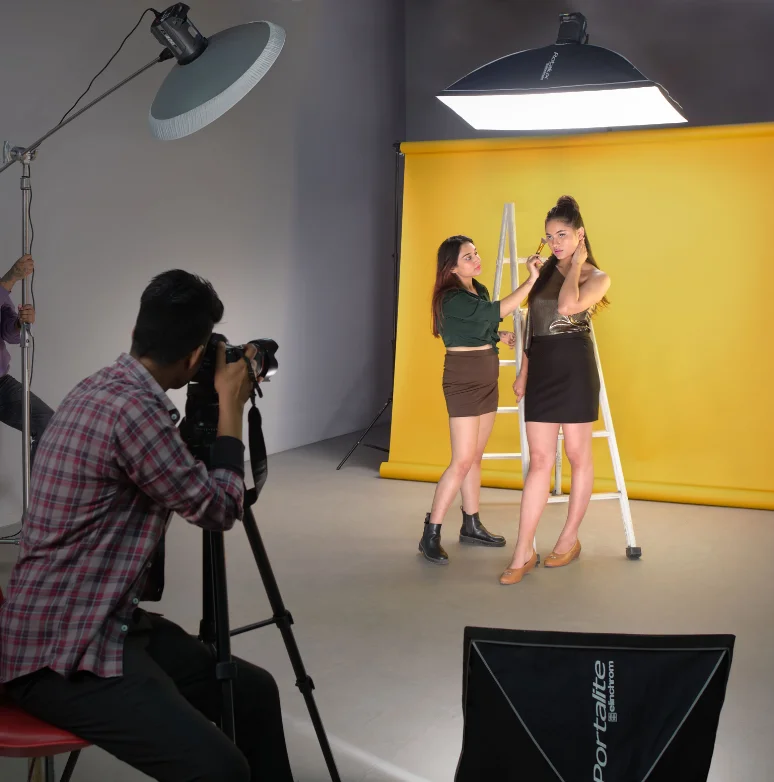

What sets AAFT apart is our unwavering commitment to nurturing future photographers. Led by industry stalwarts, our cutting-edge curriculum delves deep into the art and science of photography, nurturing both technical prowess and creative brilliance. AAFT School of Photography offers a comprehensive professional photography course on how to click photos, camera handling, and camera angles for different scenarios like family portraits, landscapes, aerials, products, wildlife, and much more. Embark on a transformative voyage, where every captured moment becomes a timeless masterpiece, weaving stories that stir hearts and inspire minds. Join our photography college to develop your craft, build your portfolio and find your perspective behind the camera.






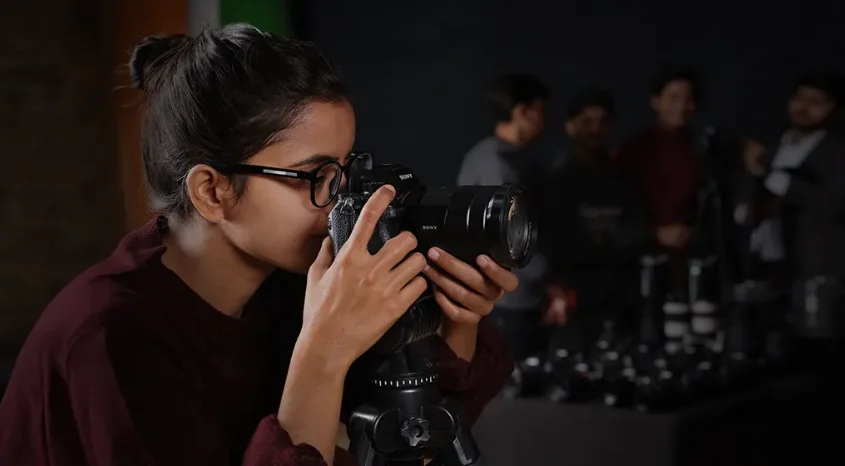
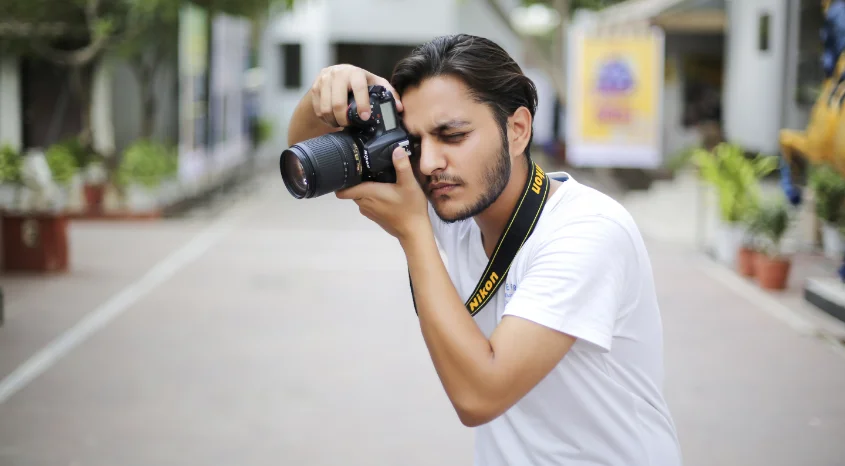
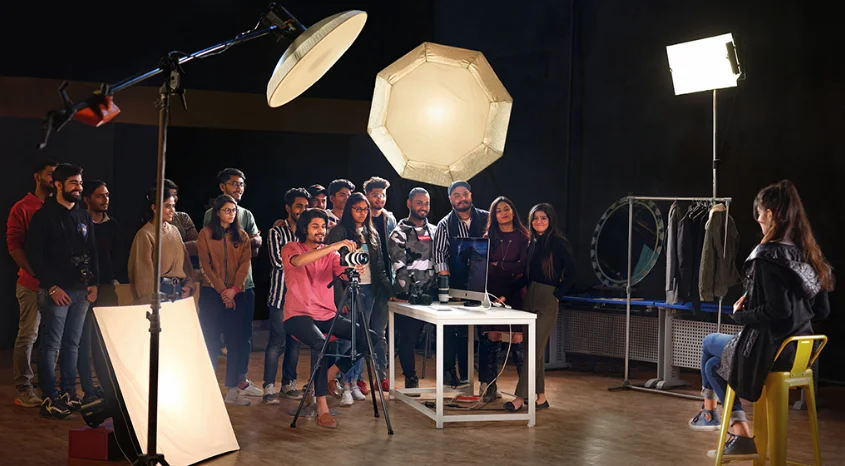
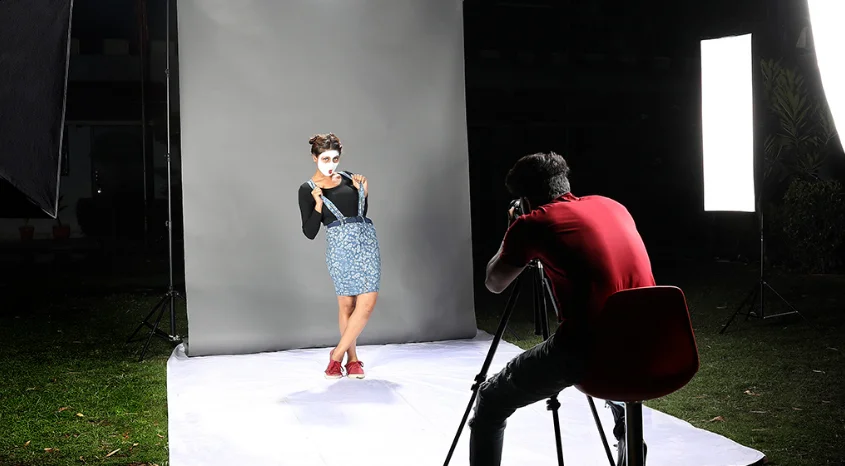
Students at AAFT learn photography by directly handling cameras and lighting tools across practical assignments, studio exercises, location-based projects and post-production workflows.
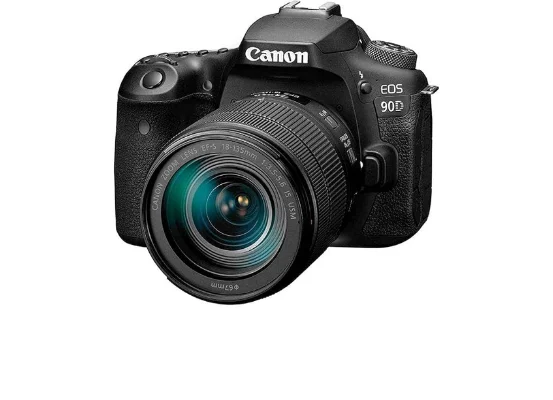
Canon DSLR Cameras
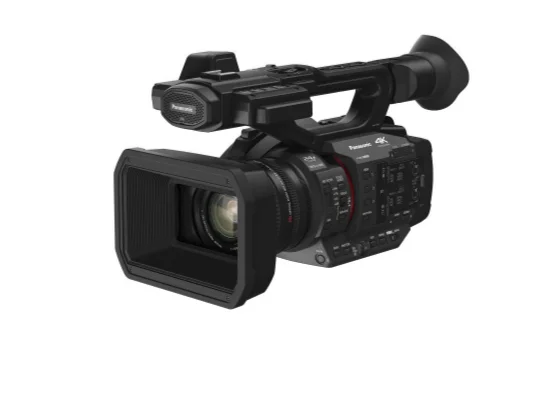
Panasonic 4K Cameras
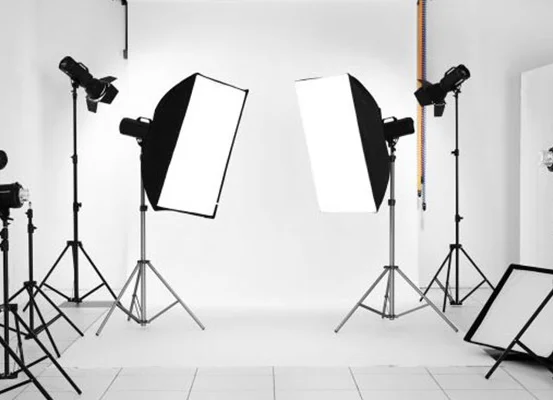
Complete Range of Light Modifiers
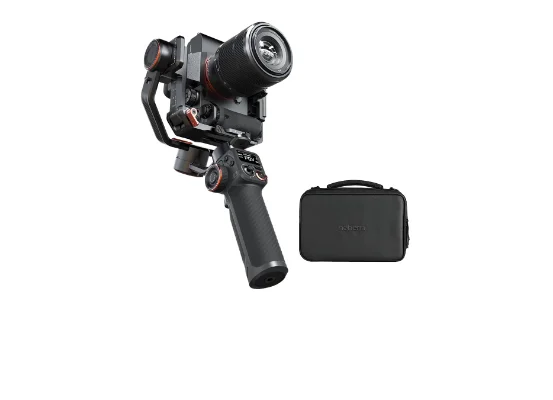
Smartphone and Camera Gimbals
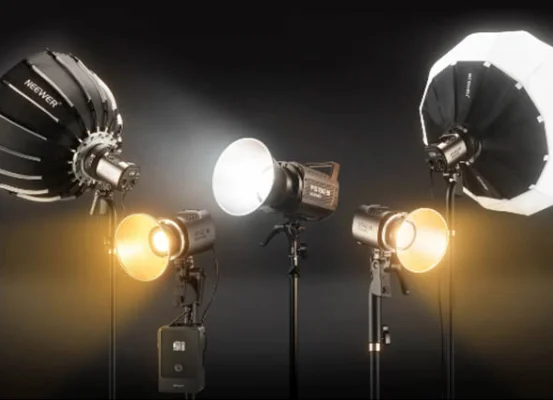
Elinchrom FRX 400 Kits
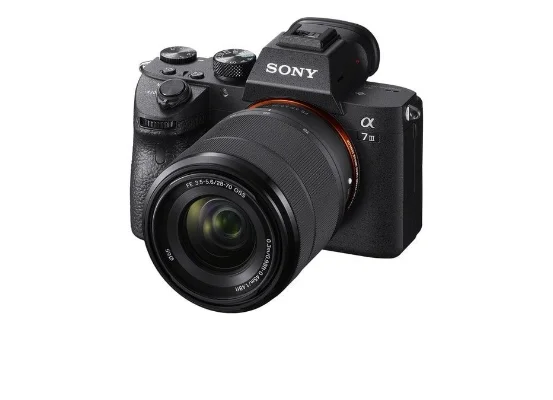
Sony A7R III & A7 III Cameras
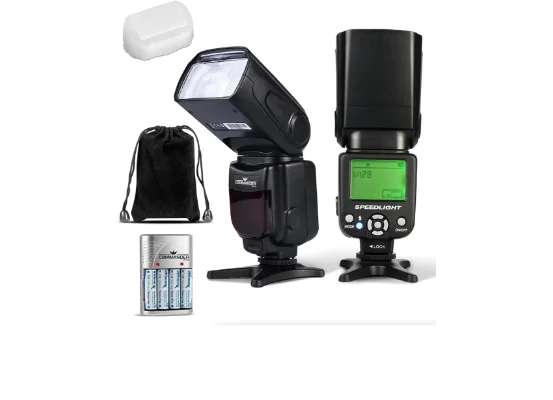
Flash & Speedlights
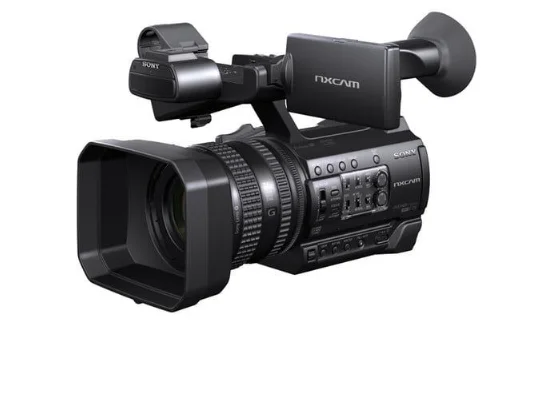
Sony Video Cameras
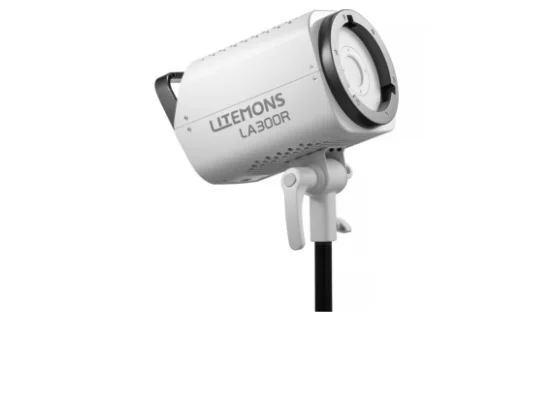
Godox Litemons Lights
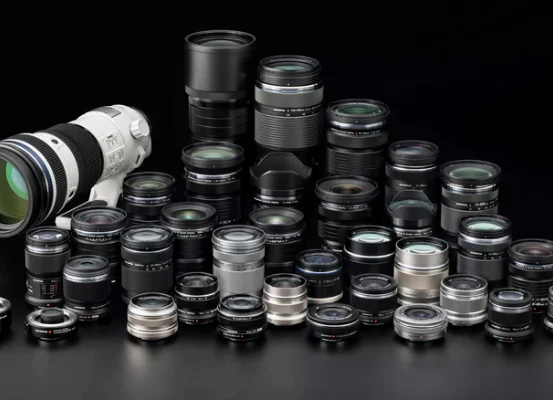
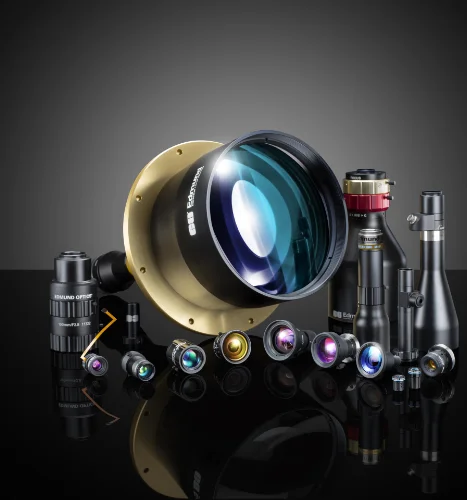
Wide Range of Lenses
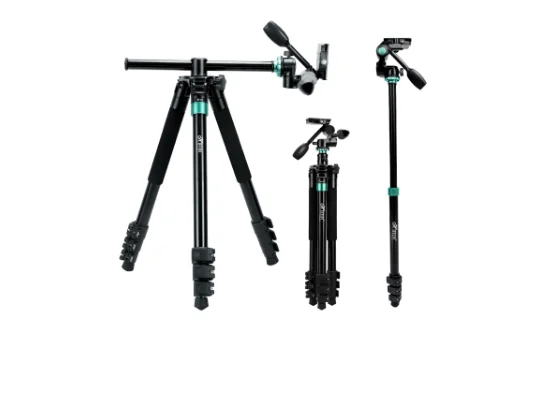
Hiffin and Vanguard Tripods
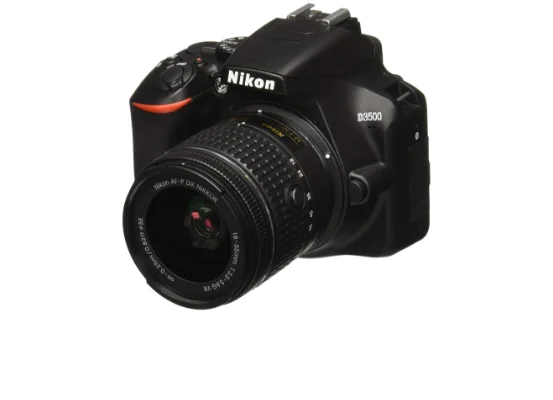
Nikon DSLR Cameras
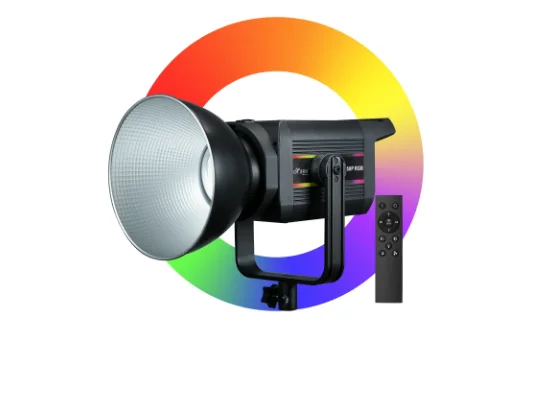
Hiffin RGB COB Light
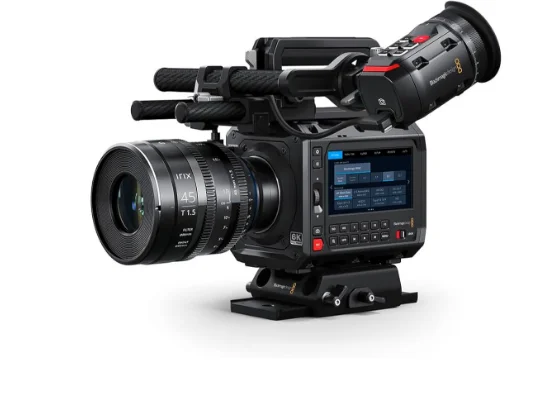
Black Magic Camera
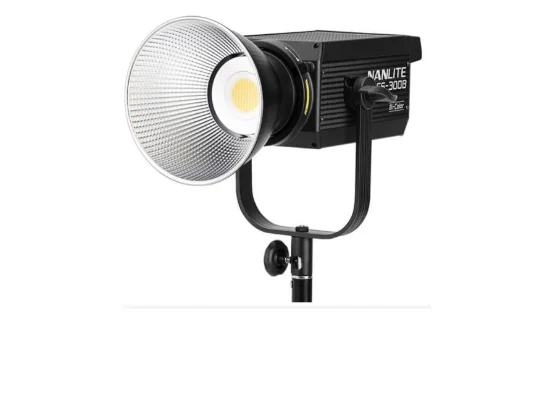
Nanlite Bi-Color Continuous Lights
At AAFT School of Photography, students learn from professional photographers, visual artists, creative practitioners and industry experts. Through workshops, MasterClasses, live projects and hands-on sessions, they gain insights into the creative process as well as the technical and professional aspects of photography.


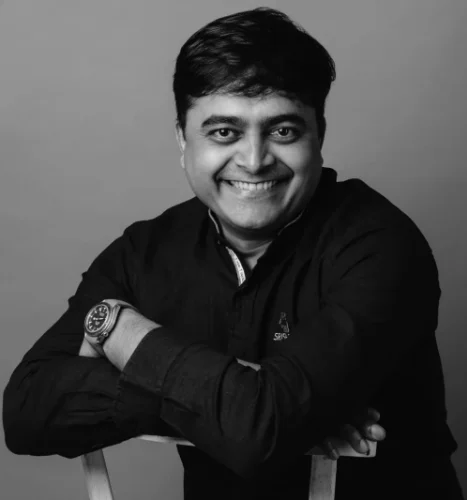
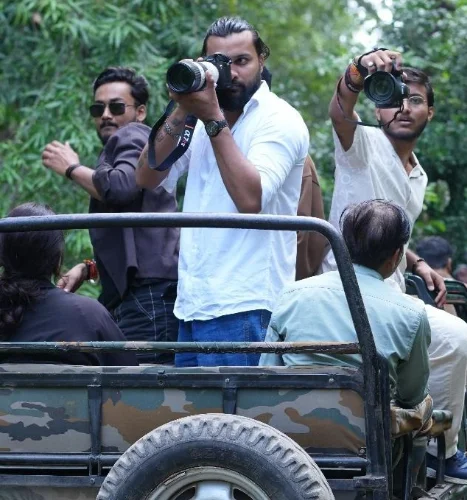

At AAFT School of Photography, students learn from professional photographers, visual artists, creative practitioners and industry experts. Through workshops, MasterClasses, live projects and hands-on sessions, they gain insights into the creative process as well as the technical and professional aspects of photography.
Recognised by National Geographic as the “Tiger Princess of India,” internationally acclaimed wildlife photographer and conservationist Latika Nath brings global industry expertise to AAFT’s School of Photography & Videography. Her mentorship helps students develop a strong visual perspective, technical proficiency, and ethical storytelling skills for careers in wildlife photography and documentary filmmaking.
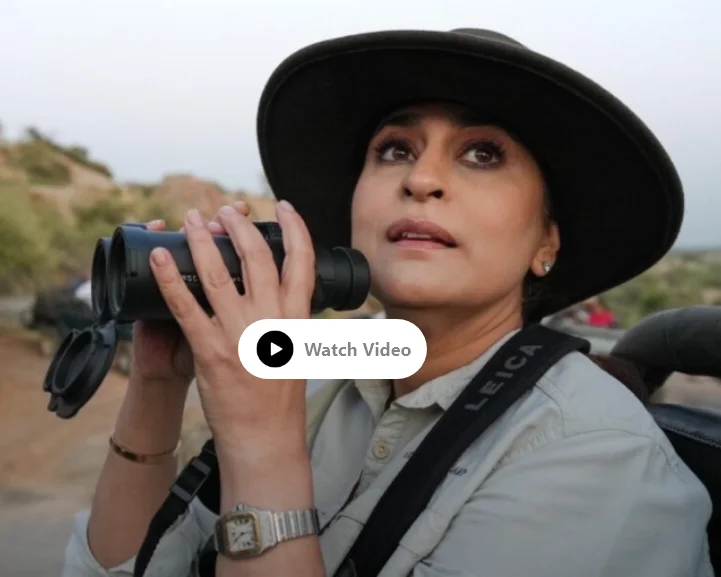
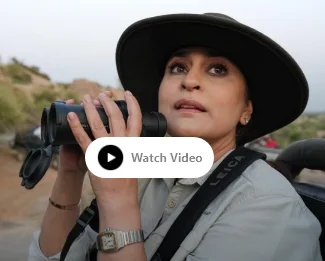
Recognised by National Geographic as the “Tiger Princess of India,” internationally acclaimed wildlife photographer and conservationist Latika Nath brings global industry expertise to AAFT’s School of Photography & Videography. Her mentorship helps students develop a strong visual perspective, technical proficiency, and ethical storytelling skills for careers in wildlife photography and documentary filmmaking.
AAFT photography alumni have taken their skills beyond the classroom and into professional creative spaces, working across visual storytelling, commercial photography, fashion, advertising, media and other image-led industries.
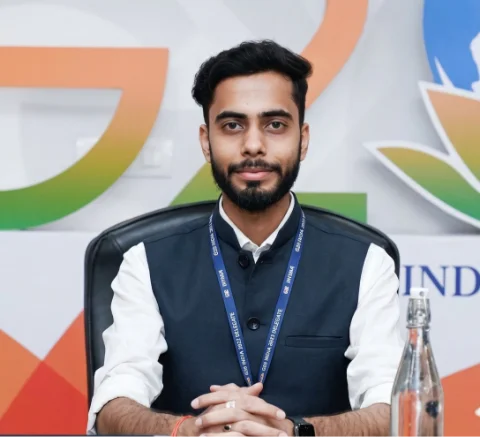
Abhay Pratap
Photographer
Ministry of External Affairs

Aman Chotani
Photographer
National Geographic Channel

Shankar Bhatla
Photojournalist
FC Barcelona

Vineet Bankar
Photographer
Tempest Travel Photography
Every photographer develops a perspective of their own. Hear how our photography students experience hands-on learning, professional equipment, creative projects and industry exposure as they build their skills and portfolios at AAFT.
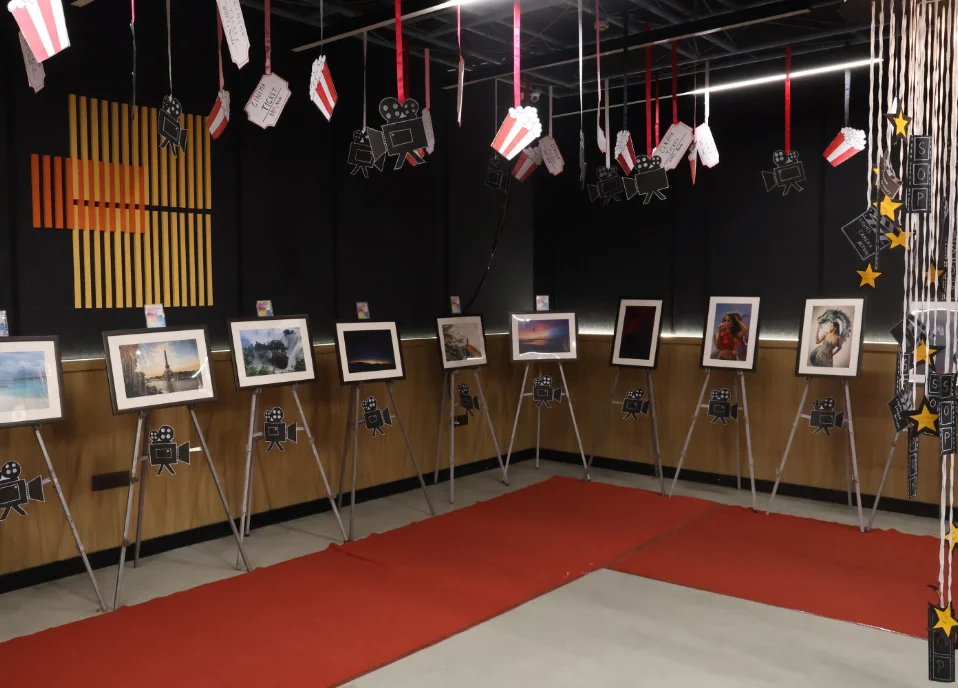
Students take their photography practice beyond the classroom by documenting festivals, cultural events, performances, and industry-led activities. Alongside these live assignments, photo exhibitions give students a platform to curate and showcase their visual narratives, building practical experience, creative confidence, and a professional portfolio.
Explore Our Courses
You can learn photography professionally at a photography college or institute that offers studio access, practical assignments and industry exposure. At AAFT School of Photography in Noida, students train with professional cameras, lighting equipment and post-production tools.
The best course depends on your goal. A bachelor’s degree in photography suits long-term careers and deeper study, while a diploma offers faster, skill-focused training. Compare curriculum, equipment access, faculty and industry exposure before deciding.
Eligibility varies by program. Bachelor’s-level photography courses generally require Class 12 from any stream, while diploma programs may have different criteria. Prior photography experience is usually not required. Check the program page for exact requirements.
Duration depends on the program level. Diploma courses are shorter and skill-focused, while a bachelor’s degree in photography runs three years or longer. Check the program page for the exact duration of each course.
Fees vary by program and duration. For current, verified figures, refer to the official AAFT fee structure page, which lists program-wise fees for each admission cycle. Also compare what each course includes, such as studio access and equipment.
A diploma focuses on core camera, lighting and editing skills in less time, helping you start working sooner. A bachelor’s degree runs longer, adds theory, specialisations and portfolio development, and suits wider creative careers.
AAFT School of Photography in Noida offers diploma and bachelor’s-level photography programs. Explore the program pages for current options, eligibility and the admission process, including any certificate or postgraduate pathways.
Students learn camera handling, composition, camera angles, studio and natural lighting, location shoots and post-production. They practise portraits, landscapes, aerials, products, wildlife, fashion and commercial photography through assignments and projects.
Students use Sony A7-series, Nikon and Canon cameras, Panasonic 4K and Blackmagic cameras, Elinchrom, Nanlite and Godox lighting, tripods, gimbals and light modifiers across studio and location projects.
Photography students learn Adobe Photoshop and Lightroom for editing and retouching, along with Illustrator, InDesign, Premiere Pro, After Effects and DaVinci Resolve for design, video and post-production workflows used in professional creative work.
Yes. Students build skills across genres including fashion, advertising, commercial, product, travel, wildlife and photojournalism through studio exercises and location projects. Check the program page for the specialisations offered in each course
Graduates can work as commercial, fashion, travel or advertising photographers, photojournalists, photography consultants or visual storytellers in media, or build freelance studios. Alumni have worked with magazines, television channels and brands.
Yes, for skilled and persistent photographers. Demand spans weddings, fashion, advertising, travel, media, e-commerce and events. A strong portfolio, technical skill and industry exposure matter more than any single qualification.
Good courses do. Students attend industry-led workshops and masterclasses by brands such as Panasonic Lumix, Zeiss, Canon and Profoto, document festivals and events, and showcase their work in photo exhibitions.
Yes. Beginners can join photography courses and learn camera handling, composition and lighting from the basics. Practical assignments and studio practice help build skills and a portfolio, even without prior photography experience.