
Are you also fascinated with aesthetically pleasing places? If interior design is what you love, the AAFT School of Interior Design in Noida offers a diverse range of interior design courses at undergraduate, postgraduate and diploma for students eager to make a career in interior design.
3000+
Furniture & Design Projects
700+
Expert Sessions
Graduate
with a real portfolio
2500+
Interior Design Graduates
AI
Integrated Curriculum
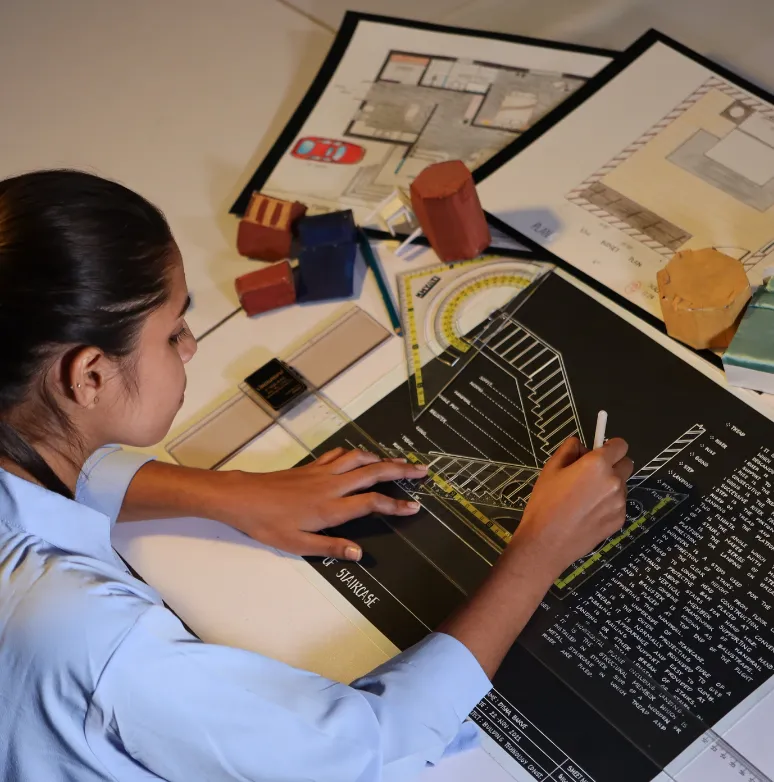

Interior design has taken the world by storm. At AAFT, we help students refine their artistic abilities, enabling them to maximise the potential of any space. Our interior design courses focus on the use of colour, lighting, layout, fabrics, furniture and the importance of Vaastu Shastra, which can help transform a space into a captivating area.
Our curriculum emphasizes international perspectives, ensuring you are well-versed in global design trends. Our interior design courses train students in space planning, colour, lighting, materials, furniture design, CAD and 3D visualisation to create functional and attractive interiors.






The School of Interior Design provides dedicated spaces and tools that support experimentation across drawing, modelling, materials, digital visualisation and spatial design.

Sketching Labs
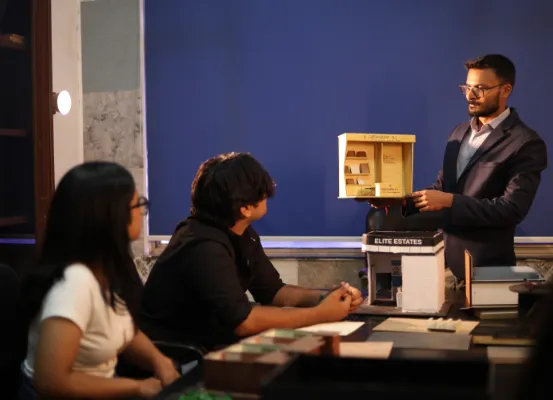
Drafting Studios

CAD Lab

Carpentry space
At AAFT School of Interior Design, students experience design in real-world settings through visits to leading design brands, exhibitions, material studios, and industry platforms.
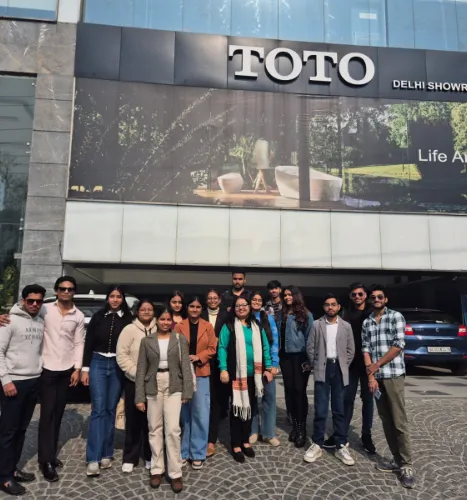
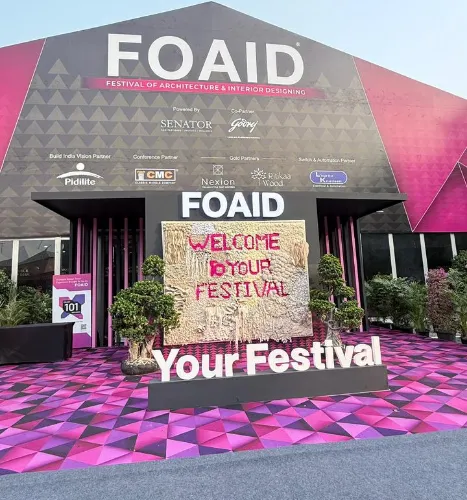

At AAFT School of Interior Design, students experience design in real-world settings through visits to leading design brands, exhibitions, material studios, and industry platforms.
Our interior design graduates translate creative vision into real-world spatial solutions. Combining technical mastery, material innovation, and human-centric design, our alumni craft functional, distinctive environments across top architectural firms and design studios.

Vani Mehra
Sr. Manager Sales and Interior
The Amaryllis by Unity Group

Junaid Khan
Entrepreneur
Studio NR

Anmol Munjal
Entrepreneur
Munjaal Realtors

Reedam Kumar
Entrepreneur
KALP Studio
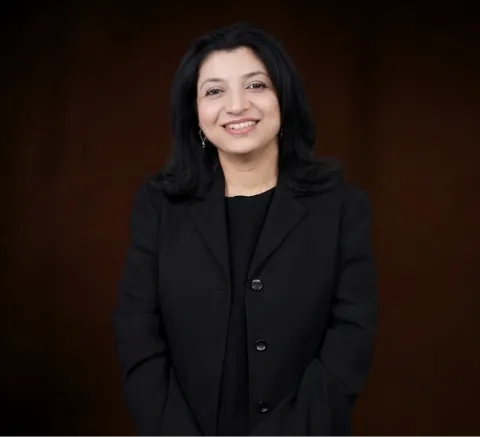
Shaila Ali Rizvi
Entrepreneur
Shaila Rizvi
Every space begins with an idea. Hear how our interior design students translate observation, research and experimentation into spatial concepts, shaped by their learning journey at AAFT.
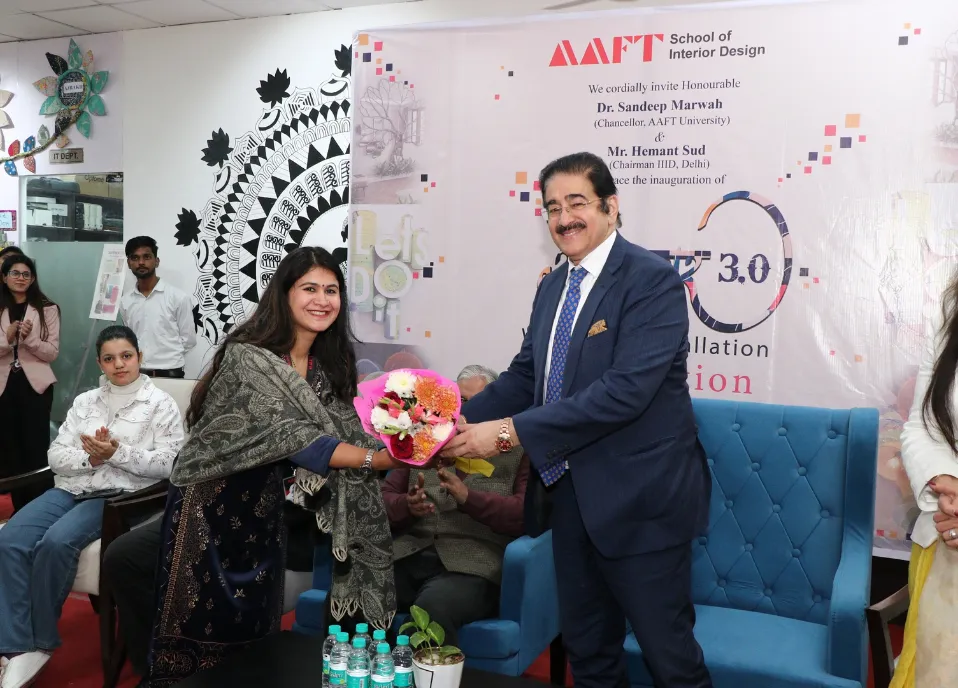
Aavishkar is a wall art and installation competition that gives students a platform to translate creative ideas into immersive spatial expressions. Through experimentation with materials, forms and concepts, students explore how art and design can transform everyday environments.
Explore Our Courses
After 10th, students can explore a diploma in interior design. After 12th, they can pursue a B.Des or B.Sc. in Interior Design at AAFT Noida. Graduates can advance their skills through an M.Des. in Interior Design or a postgraduate diploma, depending on eligibility and course availability.
A diploma in interior design is a skill-focused programme covering drafting, space planning, materials, colour, lighting and design visualisation. Diplomas commonly run for around one year. Check the Diploma in Interior Design page for the exact duration.
Yes. A diploma in interior design is open to students after 10th and is a popular route into the field. It builds practical design skills early, and students can continue to a degree later.
A BSc in Interior Design is an undergraduate degree covering design fundamentals, space planning, materials, furniture, drafting and digital visualisation, with studio projects and industry exposure.
An MDes in Interior Design is a postgraduate degree for graduates who want advanced skills in design thinking, spatial design and professional practice. Check the MDes page for the current eligibility and admission steps.
A PG diploma is a shorter postgraduate programme focused on practical interior design skills. It suits graduates who want focused training without a full master’s degree.
A diploma suits students who want faster, practical skills after 10th or 12th. A degree gives a broader foundation in design theory and practice, and it is useful for higher studies or senior roles. The right choice depends on your career goals and timeline.
Students study space planning, drafting, sketching, colour, lighting, materials, fabrics, furniture design, Vaastu Shastra, model-making, CAD and digital visualisation, with studio and lab practice.
The fee for interior design courses at AAFT varies by program. The undergraduate course fee starts from ₹6,32,200, while the diploma course fee is ₹1,50,000.
AAFT Noida is an option for students seeking interior design courses in Delhi NCR, offering dedicated drafting studios, a CAD lab, 700+ expert sessions, and an AI-integrated design curriculum. Other institutes students may consider include Pearl Academy, JD Institute of Fashion Technology, Symbiosis Institute of Design, and CEPT University.
Eligibility depends on the program: diplomas are open after 10th, undergraduate degrees after 12th, and postgraduate program for graduates. Check each course page for the current criteria.
Graduates work as interior designers, space planners, decorators, furniture and product designers, visualisers, design consultants and entrepreneurs, in design studios, architecture firms, real estate and hospitality.
The salary of an interior designer in India depends on experience, location, portfolio, and employment type. Entry-level interior designers typically earn around ₹2.5 to 4.5 LPA, while experienced professionals can earn ₹6 to 12 LPA or more, depending on their expertise and projects. Freelance earnings vary based on clients and project scope.
Students work in sketching labs, drafting studios, a CAD lab and a carpentry space. They also visit design brands and exhibitions such as TOTO and EBCO, take part in the Aavishkar wall art and installation competition, and attend 700+ expert sessions.
Yes. Demand for designers continues across residential, commercial, hospitality and real estate projects, and many graduates start their own studios. Strong skills, a portfolio and industry exposure make the biggest difference.