Fashion Design Course After 12th: Guide to Fashion Designing Courses, Career, and Opportunities After 12th
Are you passionate about fashion and dreaming of a career in the ever-evolving design industry? Choosing a fashion design course after 12th can be your first step toward a creative and rewarding future. This comprehensive guide explores top fashion designing courses, eligibility, career options, and opportunities available after high school. Whether you’re aiming for a prestigious design institute or want to understand what a career in fashion truly involves, this article will provide the essential information and insights you need to make a confident, informed decision.
Brief Overview
Embarking on a fashion design course after 12th offers students the chance to turn their creativity into a dynamic career in the rapidly evolving fashion industry. This pathway emphasizes developing essential skills—from garment construction and business acumen to portfolio building and hands-on internships—that prepare graduates for diverse opportunities in design, management, and entrepreneurship. With sought-after bachelor programs, clear eligibility processes, and a focus on practical learning, aspiring designers gain the tools needed for lasting success and impact in both Indian and global fashion markets.
Key Highlights
Fashion design courses after 12th provide creative, technical, and business skills for a dynamic career in India’s expanding fashion industry. Bachelor and diploma programs at leading institutes like NIFT offer specialized education combining hands-on learning, internships, and digital innovation. Eligibility requires 10+2 completion, entrance exams, and portfolio submissions, with some programs welcoming all academic streams. Mastering garment construction and building a compelling portfolio through internships are crucial for industry readiness and career growth. Career options range from fashion design, brand management, and merchandising to fashion journalism, styling, and sustainable design ventures.
Why Pursue a Fashion Design Course After 12th?
Choosing a fashion design course after 12th can be a transformative step for ambitious students who dream of shaping the dynamic world of style and trends. This decision offers access to a thriving industry, introduces students to essential skills, and helps them build a rewarding career. Through immersive learning and engaging programs, students can explore their creative potential, understand the business side of fashion, and develop valuable connections with successful designers. The journey from student to professional designer becomes an exciting adventure, brimming with opportunities to master garment construction, hone management abilities, and embark on impactful projects that shape the modern fashion landscape.
Key Skills to Develop for Success in Fashion Design
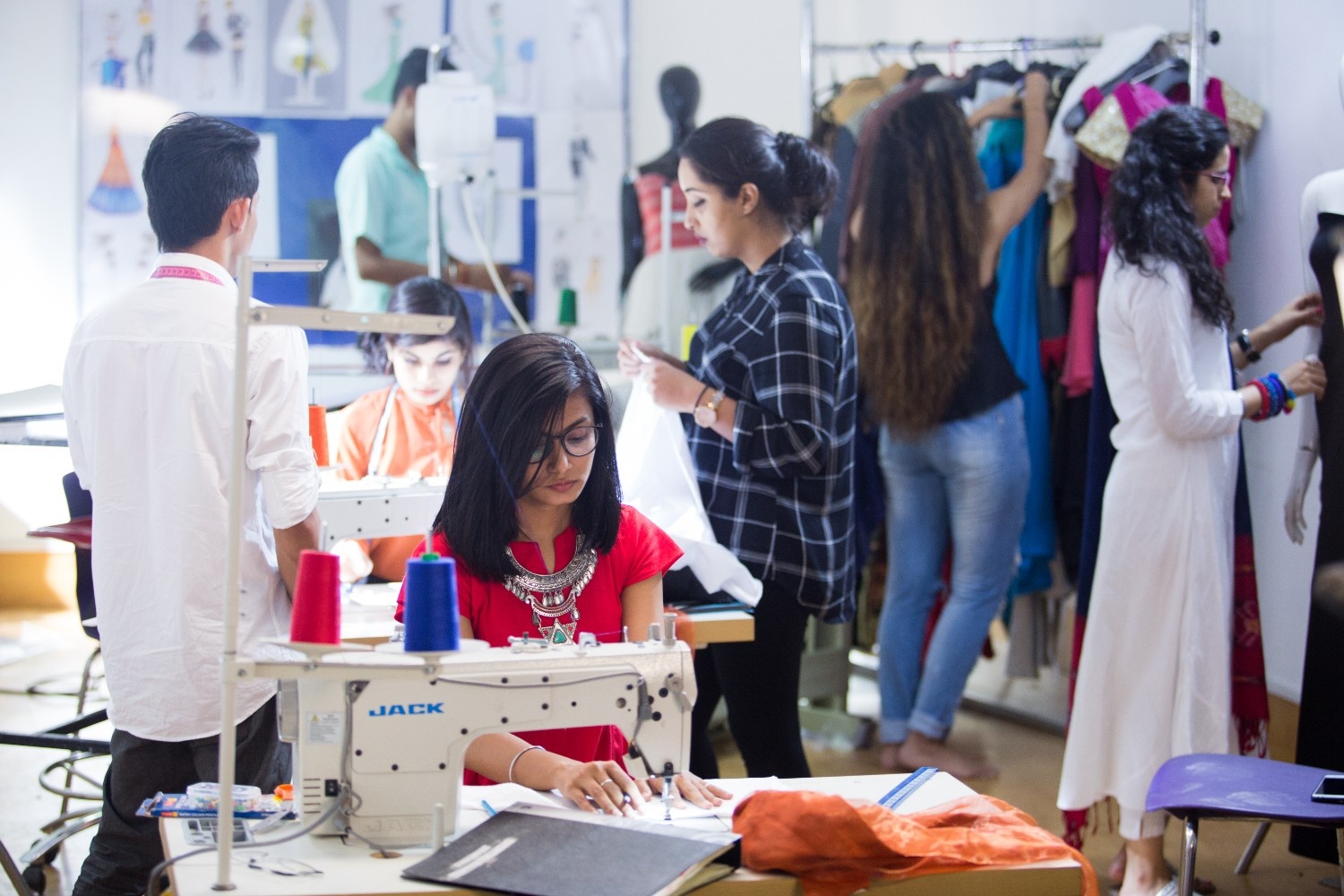
Embarking on a fashion design course after 12th opens the door to a journey where students cultivate an impressive array of skills essential for succeeding in today’s ever-evolving fashion industry. The transition from student to designer isn’t just about creative flair; it’s about building a comprehensive toolkit that fosters effective communication, efficient project management, and a keen business sense.
As young designers pursue their studies, mastering learning strategies that blend creativity with analytical thinking is vital. Visual storytelling, trend forecasting, and fabric knowledge all play a pivotal role in this learning journey.
Students who prioritize adaptability and innovation can seamlessly navigate the challenges posed by fast-changing industry trends. Developing technical skills like garment construction, pattern making, and textile knowledge forms the backbone of top fashion design programs.
These foundational skills enable students to interpret concepts and build collections that resonate with audiences around the world. Exposure to digital design tools, including CAD software, not only enhances the design process but also equips future designers for the demands of modern business.
Aspiring designers work in teams, manage design projects, and often need to negotiate with stakeholders from various segments of the industry. Effective communication ensures ideas are conveyed clearly, whether in presentations, business pitches, or across collaborative group learning projects. Developing these soft skills through practical assignments, internships, and classroom discussions reflects real-world scenarios and prepares students for versatile career opportunities after 12th in diverse sectors of the industry.
Building a professional portfolio is another indispensable part of skill development. Aspiring designers learn to curate their best learning projects, showcasing garment construction, pattern work, collections, and creative illustrations in a way that stands out, reflecting both personal design signature and versatility.
Book Now →
Internships provide further opportunities for hands-on experience, allowing students to integrate theoretical studies with real projects in the business world. Working alongside established designers, managing deadlines, and adapting to feedback accelerate growth and lay the groundwork for future leadership roles in the industry.
Developing resilience and adaptability as key skills is especially important in a field as competitive as fashion. Trends, consumer preferences, and business strategies shift rapidly, so students who excel are those able to pivot and innovate without sacrificing the creative authenticity at the heart of successful fashion design.
Soft skills like time management, stress handling, and openness to feedback ensure that students flourish during tough academic stretches and high-pressure industry internships. Critical thinking and research abilities also hold immense value throughout a designer’s studies and eventual career.
Do you want free career counseling?
Ignite Your Ambitions- Seize the Opportunity for a Free Career Counseling Session.Analyzing fashion movements, identifying consumer needs, and interpreting global trends are part of the broader business learning journey. Integrating these insights into collections or design projects demonstrates mastery over both industry knowledge and the proactive mindset needed to make a mark on the world stage.
The ability to forecast trends and create mood boards sharpens creative instincts while reinforcing research-based decision-making. Schools and programs like those featured in leading fashion design colleges provide students with the comprehensive education needed for success, with courses tailored for the post-12th journey.
By focusing on these essential skills, including creativity, business management, technical knowledge, communication, and adaptability, students are not just preparing to enter the competitive fashion world but are positioning themselves for long-term success and fulfillment in their careers.
Exploring Fashion Designing Courses After 12th in India
Diving into fashion designing courses after 12th is one of the most exciting pathways for students in India who seek a blend of creativity, business insight, and technical prowess. Choices abound, with a variety of bachelor and diploma programs that nurture future designers and build lifelong skills. From world-class institutes like NIFT to private schools and universities, these courses offer programs that emphasize innovation, management, and hands-on learning. Understanding the structure, content, and unique offerings of these bachelor’s programs is a crucial step for students mapping their journey in the ever-evolving world of fashion studies.
Popular Bachelor Programs for Aspiring Designers
Choosing the right fashion designing courses after 12th in India can be a pivotal moment for students passionate about shaping their journey in the vibrant fashion industry. Popular bachelor’s programs are meticulously crafted to equip young designers with both creative expertise and essential management skills. Schools and universities across India have developed a range of programs, reflecting both the diverse traditions of Indian textiles and the evolving global trends in fashion. One of the most sought-after degrees is the Bachelor of Design (B.Des) in Fashion Design.
When students wonder what “b.des fashion design is, they’ll find it’s a comprehensive academic and practical curriculum offered by leading universities like NIFT, Pearl Academy, and other recognized institutions. These programs blend artistic vision with business and management acumen. A B.Des typically spans four years, combining core subjects in fashion design, merchandising, and brand strategy with electives covering textiles, apparel production, technology, and digital design.
Another top choice is the Bachelor of Fashion Technology (B.FTech), which spotlights garment construction, textile science, and production management. This degree is ideal for students with an affinity for innovation, material technology, and the operational side of the fashion business. Universities and schools delivering these programs often partner with leading industry brands, ensuring students gain exposure to cutting-edge trends, sustainable fashion, and real-world production cycles. Specialized bachelor programs, such as the Bachelor of Arts (BA) in Fashion Designing and Bachelor of Science (B.Sc) in Fashion Design, also hold prominence across India.
What sets Indian fashion designing courses apart after 12th is the strong emphasis on practical learning and industry engagement. Integrated internships, real-life client projects, and portfolio-building exercises form the backbone of most bachelor’s programs. This hands-on approach ensures students are industry-ready, building a robust portfolio and gaining experience vital for future employment or self-employment.
For instance, NIFT’s curriculum includes live projects and international exchange programs, offering vital global perspectives while keeping the core focus on the Indian market’s unique requirements. Experienced faculty, many of whom are established designers or industry experts, guide students through the nuances of garment construction, fashion forecasting, and sustainable practices. Guest lectures and workshops from prominent designers further expose students to the realities of the fashion business in India and abroad.
Peer learning is equally emphasized, as students collaborate in design studios and participate in competitive showcases organized by schools and other institutes, which are invaluable for professional growth and networking. Additionally, digital innovation is now central to fashion studies. Most premier bachelor programs expand their curriculum to include CAD (Computer-Aided Design), e-commerce, fashion blogging, and social media marketing.
This prepares students to succeed in the digital era, equipping them with tools to create, promote, and monetize their designs globally. With the industry’s shift towards sustainability, programs also introduce modules dedicated to ethical sourcing, ecological materials, and “slow fashion,” fostering environmental awareness from day one.
Ambitious students who desire to explore every aspect of fashion design have access to highly specialized electives, ranging from fashion styling and visual merchandising to photography and fashion law. These options enable students to personalize their journey and specialize in their areas of passion or talent. For a detailed overview of what you might study in these bachelor’s programs, including subject lists and learning methodologies, you can refer to the fashion design course syllabus.
Making the choice to enrol in a fashion design bachelor programme after 12th opens numerous doors for career growth, from working directly with renowned designers, joining major fashion houses, or launching independent ventures. This first academic step transforms passionate high school graduates into versatile creators and aspiring entrepreneurs, positioning them perfectly for the next phase in the dynamic realm of fashion. The journey is challenging and inspiring, filled with learning experiences that foster innovation, resilience, and lifelong success in design, management, and business strategy.
| Program Name | Core Focus | Key Institutes | Notable Features |
| Bachelor of Design (B.Des) in Fashion Design | Creative design, garment construction, textiles, design thinking | NIFT, NID, Pearl Academy, Symbiosis | Studio-based learning, internships, digital design tools, specialization options |
| Bachelor of Fashion Technology (B.FTech) | Technical aspects of apparel manufacturing, production technology, engineering | NIFT, Amity University, Pearl Academy | Industry visits, lab work, supply chain modules, collaboration with manufacturers |
| BA (Hons) in Fashion Design | Fashion history, communication, design process, liberal arts integration | JD Institute, Amity University, Vogue Institute | Research-based projects, electives in styling or media, industry internship mandatory |
| B.Sc in Fashion Design / Technology | Scientific approach to textiles, material studies, CAD, practical workshops | Lovely Professional University, NIFT, Delhi University | Hands-on labs, focus on sustainable materials, regular seminars, digital fashion |
| Fashion Management and Business (BBA/B.Voc/BMS) | Fashion retail, marketing, merchandising, business fundamentals | NIFT, Pearl Academy, Xavier’s College | Live case studies, training with brands, entrepreneurial modules, placements |
Eligibility and Admission Requirements for Fashion Designing Courses After 12th
Understanding the eligibility and admission requirements is crucial for students seeking a fashion design course after 12th in India. Navigating this process involves more than meeting academic thresholds; students need to fulfill various criteria set by universities, schools, and institutes to secure a place in esteemed bachelor’s programs. The journey begins with reviewing essential requirements, ranging from academic performance and entrance examinations to portfolio submissions and aptitude tests. These elements collectively determine a student’s readiness to embark on a comprehensive fashion design learning journey and ultimately shape their future career in the industry. Exploring these criteria ensures each aspiring designer starts their academic studies on a strong and informed foundation.
Important Criteria for Enrolling in Bachelor Fashion Design Programs
For students eager to launch their career in the creative and competitive fashion industry, knowing the important criteria for enrolling in a bachelor fashion design program is the very first step after 12th. These requirements serve as the essential gateway between secondary school and a future immersed in design, management, and innovation.
The landscape of eligibility in India’s top fashion design courses ensures that only those truly dedicated to their studies and passionate about the industry secure a position in the leading institutions. The foundation of eligibility typically begins with a 10+2 qualification. Indian students must have successfully completed their secondary school education, with recognized boards such as CBSE, ICSE, or state boards. While a specific percentage is not always set in stone, most universities and schools expect candidates to achieve at least 50% to 60% aggregate marks.
It demonstrates a student’s commitment to academic learning and readiness for the challenging syllabus that a bachelor fashion design course entails. Admission requirements, however, extend far beyond basic academic results. Leading fashion design schools (including NIFT, Pearl Academy, and other prestigious universities) almost always conduct entrance examinations. These exams, like the NIFT entrance test, CEED, or institution-specific aptitude tests, are designed to assess a student’s potential in core design concepts, drawing abilities, analytical thinking, and problem-solving.
Performance in these tests directly influences admission decisions, making it essential for aspiring designers to prepare thoroughly, understand the exam structure, and build confidence in their artistic as well as cognitive abilities. Another critical aspect of the eligibility criteria is the portfolio submission. Schools and universities evaluate portfolios to understand an applicant’s creative style, conceptual thinking, and personal approach to fashion and design.
Portfolios typically include original sketches, mood boards, fabric swatches, and completed project work, giving a holistic view of the student’s potential as a designer. A strong portfolio can compensate for minor gaps in academic or entrance test performance, as it serves as a tangible indicator of passion, skill, and growth during previous studies. Beyond these standard eligibility factors, some institutions reserve seats for international students or Indian nationals returning from abroad, with tailored criteria.
Foreign or NRI applicants may need to submit equivalence certificates from recognized education councils in India, pass English proficiency tests such as IELTS or TOEFL, and fulfill additional documentation requirements. This ensures inclusivity, while upholding the rigorous standards of the fashion design industry and academic benchmarks. Some bachelor programs focus on holistic admission, including interviews and group discussions as part of the selection process. Here, students are assessed on communication skills, presence of mind, awareness of industry trends, and their motivation for pursuing studies and eventually, a career in fashion design.
These interactions allow schools and universities to identify well-rounded students eager to thrive in challenging, collaborative, and fast-paced learning environments. Certain premier institutes also emphasize field-specific eligibility, for instance, B.FTech or management-focused design programs may require students to have studied science or mathematics as a core subject at the 10+2 level. This reflects the technical nature of garment construction, production management, and fashion technology within these specialized courses.
Applicants are advised to carefully review individual program requirements to ensure their qualifications align with their target school’s expectations. For students hailing from diverse backgrounds or streams, arts, science, or commerce, the good news is that most fashion design courses in India maintain a flexible approach, welcoming talent with varied academic histories. What matters most is demonstrating a genuine inclination towards fashion, strong conceptual ability, and readiness for the rigors of design studies.
Despite the multifaceted nature of eligibility and admission requirements, the process does not need to be intimidating. Many schools and universities organize pre-admission counseling sessions, webinars, and open houses. These outreach initiatives allow prospective students and their parents to interact with faculty, learn about latest industry-driven curriculum updates, and obtain guidance on preparing for entrance exams, portfolio curation, and interview rounds.
Aspiring designers should also stay updated on yearly admission notifications, deadlines, and required documents, such as proof of age, academic certificates, medical fitness letters, and identity verification. Missing a crucial application date or failing to submit required paperwork can jeopardize a student’s chances, regardless of talent or academic merit. Therefore, organizing a checklist and tracking each institution’s timeline is highly recommended.
There is a growing emphasis on diversity and inclusion within the industry, encouraging widespread participation regardless of gender, region, or financial background. Some fashion design colleges and universities offer scholarships, reserved seats, or fee concessions for students from economically weaker backgrounds, providing equal opportunity to begin their educational journey into fashion design after 12th.
At its core, enrolling in a bachelor fashion design program after 12th is about much more than clearing academic thresholds. It’s a holistic journey that assesses artistic passion, readiness to learn, motivation for entering the fashion industry, and the ability to adapt and thrive in a dynamic educational and business environment. With the important criteria, robust entrance requirements, and the rising standards upheld by both schools and the industry, only those who combine persistence, creativity, and strategic planning find success in the world of fashion design.
Navigating these eligibility and admission parameters marks the beginning of an intense and rewarding learning experience. Those who approach the process with diligent preparation, an open mind, and a willingness to reflect on their own creative journey will stand out not just in application pools, but throughout their bachelor studies and future career in the Indian and global fashion markets.
Understanding Garment Construction and Its Importance in Fashion Design
Garment construction is the backbone of fashion design, serving as the bridge between innovative concepts and wearable reality. For students stepping into this industry after 12th, understanding garment construction transforms creativity into tangible, professional-level designs. Mastering this domain isn’t just about sewing fabric together, it’s the complex, thoughtful process where patterns, textiles, and creative vision become fully realized pieces. Learning these skills is a crucial milestone, anchoring theoretical knowledge with practical, hands-on application in every meaningful journey through fashion studies.
Within the diverse world of design, garment construction empowers students to translate sketches into practical outfits that meet industry demands. Every jacket, dress, or tailored suit begins with foundational skills: drafting patterns, cutting fabric, assembling seams, fitting, and finishing. These technical steps require acute attention to detail and an eye for proportion, qualities that set apart exceptional designers in the fashion industry. Furthermore, garment construction integrates seamlessly with other key elements: textile selection, draping, and surface embellishment, offering students a 360-degree understanding of how to bring their artistic vision to life. This comprehensive approach resonates with earlier discussions about holistic learning and skill-building during bachelor fashion design studies.
The importance of garment construction extends far beyond personal talent, it is a critical demand set by the modern fashion business. Fashion design today functions at the intersection of creative artistry and business acumen. When students master garment construction, they not only demonstrate technical competence but also business readiness. They become assets to brands, design houses, and the broader industry, displaying the ability to manage entire projects from inception to production. An understanding of construction principles assures employers and clients that designers can create clothing that is not just beautiful, but durable, functional, and market-ready.
Another dimension of garment construction is its unique role as an immersive, hands-on arena for learning. Unlike theoretical studies that focus on design thinking or trend analysis, construction makes learning tactile. Students actively engage with fabric, machines, and tools, cutting, stitching, pressing, and finishing garments under the mentorship of experienced instructors. This hands-on learning fosters a direct, energetic connection between the imagination and the outcome, encouraging a deeper grasp of fit, movement, and wearability. Such active participation accelerates skill acquisition, especially when compared to passive study.
Garment construction education includes a series of structured projects designed to sharpen technical skills and nurture problem-solving abilities. Students start with simple pieces, basic skirts or shirts, and advance to intricate constructions requiring complex pattern manipulation, layering, and detailing. These project-based experiences simulate real-world industry challenges, preparing aspiring designers for the demands of actual business environments. Through iterative practice, learners also gain confidence in troubleshooting, improvisation, quality control, and time management, qualities recognized and valued across the global industry.
Focusing on garment construction after 12th gives students a strategic advantage in their early design journey. Bachelor fashion design curricula often position these subjects at the heart of program structures, requiring each student to complete lab sessions, live projects, and even competitive showcases. The intent is to ensure that every graduate can independently execute key stages of production, from drafting and sewing to finishing and critical review. Employers now expect this practical learning and look for portfolios that highlight not only creative sketches, but photos and samples of completed garments. This emphasis on completed projects and practical documentation aligns perfectly with the skill-building recommendations discussed in our previous overviews of fashion design studies.
On a broader scale, the business impact of garment construction expertise cannot be overstated. Designers who deeply understand construction are equipped to make informed decisions about costing, production timelines, and sourcing, enhancing their ability to deliver commercially viable collections. This knowledge is particularly crucial for those who wish to run their own label or boutique after gaining early industry exposure through internships or collaborations. The entrepreneurial journey in fashion is built on efficiency and control over every aspect of creation, a process grounded in superior garment construction skills and practical experience gained throughout the course of studies.
Moreover, garment construction is at the heart of innovation in modern fashion design. With shifting consumer preferences and sustainable business models, the ability to experiment with new textiles, unconventional silhouettes, and adaptive wear is deeply tied to construction proficiency. Students who invest time in learning these technical aspects find themselves better prepared to execute groundbreaking ideas and respond to market shifts. This aligns with what leading academic programs and industry mentors emphasize: real success in the industry often favors those who combine creative brilliance with robust, practical skills developed early in their academic journey.
In summary, for students aspiring to enter the world of fashion design after 12th, mastering garment construction is a non-negotiable foundation, one that empowers, inspires, and sustains long-term success in the design industry. From building a strong professional portfolio and impressing future employers, to running an innovative business or excelling in collaborative projects, garment construction opens the door to every major opportunity in the field. By integrating these essential skills into their learning path, students build a versatile platform for continuous growth and industry relevance, which is vital for anyone serious about pursuing a rewarding career in fashion design. The combination of practical training, project-based learning, and exposure to business realities ensures that young designers can transform their passion and vision into wearable masterpieces, and drive change in the world of fashion.
Essential Skills Needed in Fashion Designing Courses
Stepping into the realm of fashion designing courses after 12th means equipping yourself with a powerful set of skills that can shape your future in the dynamic fashion world. Aspiring designers need more than artistic ability, they must excel at project management, innovative learning, and collaboration with industry leaders. Crucial aspects like portfolio building, hands-on experiences through internships, and adaptable design thinking are the stepping stones to lasting success. Whether you pursue your journey in top schools like NIFT or through contemporary programs focused on the business of fashion, these essential competencies set you apart as a versatile, impactful designer ready to conquer every facet of the industry.
Building a Portfolio and Hands-On Experience Through Internships
Mastering the art of portfolio building and embracing hands-on learning through internships are two of the most transformative experiences in any fashion design course. For students embarking on their fashion journey after 12th, these elements don’t just check a requirement, they powerfully set the tone for a professional career that stands out in a competitive industry. Your portfolio is not merely a collection of creative pieces; it’s your dynamic story, reflecting your evolving design mindset, adaptability, and technical prowess. Every aspiring designer must understand that in the eyes of top schools, industry leaders, and prospective employers, a compelling portfolio is like a passport to the world of fashion, authentic, unique, and constantly growing with new competencies.
From the outset of your fashion designing courses, instructors emphasize the critical nature of portfolio building. You’re encouraged to curate original work that highlights your understanding of core design skills, as well as your unique creative narrative. This means collecting sketches, textile explorations, garment photos, CAD renderings, and project outcomes that beautifully showcase both technical execution and conceptual brilliance. As you move through different modules, every school project adds fresh material to your portfolio, these range from pattern drafting and garment construction to styling and digital design, ensuring a wide spectrum of your journey is represented.
Your portfolio is not static; it’s a living document that evolves with each experience and project you undertake. As you progress, feedback from faculty, mentors, and even guest designers in school workshops nurtures your skills and hones your storytelling ability. For NIFT students, for example, portfolio reviews are deeply embedded in the curriculum, emphasizing continual learning and agility in responding to the latest industry expectations. A strong portfolio doesn’t just show talent; it reflects your evolution, documenting projects where you’ve grown through challenges, deadlines, and innovative solutions.
What takes your portfolio to the next level is the integration of hands-on internships. Every respected fashion design course, from bachelor programs at NIFT to private schools or international institutes, includes internships as an essential bridge between classroom learning and the realities of the business. These experiences offer direct exposure to how the industry functions, providing opportunities to work with established designers, production teams, or brand managers. As an intern, you step into the workflow of actual design studios, participate in meetings, assist in collection launches, or even manage small projects. This immersion not only refines your technical skills but gives you a 360-degree view of design, management, and business operations.
During internships, students experience the hustle of deadlines, the intricacies of garment construction, and the fast-paced environment of fashion shows or product launches. The hands-on aspect sharpens both hard and soft skills. You might coordinate with suppliers, assist in sourcing, or present your ideas in team discussions, practices that are invaluable for your future business or management career in the field. Internships are also moments of intense learning and self-discovery. You’ll receive real-world feedback, sometimes rapid, sometimes critical, but always tailored to help you push boundaries and think on your feet. Embracing this feedback loop is vital for building resilience as a student and thriving as a future designer in the global industry.
One of the biggest advantages of compelling internships is the addition of real, impactful projects to your portfolio. Unlike academic exercises, internship accomplishments carry direct business value. Including photos of garments completed during an internship, marketing campaigns you’ve assisted with, or store layouts you’ve helped design presents a professional depth that academic work alone cannot provide. Prospective employers, whether global brands, dynamic startups, or design houses, look for such practical experience when evaluating young designers straight out of school. This evidence of your versatility and ability to adapt to fast-moving industry dynamics is what makes your portfolio remarkably strong.
Internships also play a key role in expanding your professional network in the fashion world. The relationships you build, with design mentors, fellow interns, or business managers, often open doors to full-time roles or valuable collaborations after graduation. Many students land management trainee programs, assistant designer positions, or project roles thanks to proven track records during internships. Moreover, real-world experience helps you understand team dynamics, industry etiquette, and communication strategies, which are foundational management skills vital to any successful fashion career.
A well-crafted portfolio and robust internship experience merge the creative and practical sides of your education. Aspiring designers learn to present their growth journey, showcasing not just what they’ve made, but how they’ve managed projects, adapted to challenges, and embraced cross-disciplinary learning. Industry leaders and faculty at top schools, like NIFT, advise that including short case studies within your portfolio, outlining the problem, your process, and results, demonstrates both analytical thinking and creative prowess. In today’s era, digital portfolios are equally important. Being able to curate your work online, narrate your design philosophy, and share internship stories via personal websites or social channels increases your visibility in the global market.
Ultimately, internship-driven learning and portfolio building are at the heart of every successful journey in fashion design after 12th. Whether you aim to become a designer, brand manager, or entrepreneur, these experiences set the stage for a satisfying and sustainable career in the ever-evolving world of fashion. Focus on continual improvement, be open to feedback, and take full advantage of every opportunity, your hands-on accomplishments and thoughtfully crafted portfolio will always be your strongest allies as you transition from student to impactful designer in the industry.
After understanding the importance of internships and portfolio development, here are some actionable tips to help elevate your fashion design journey:
- Regularly update your portfolio with new projects to showcase your evolving skills and creativity.
- Seek constructive feedback from mentors and peers to continually refine your designs and presentation.
- Document your internship achievements with high-quality images and clear, concise descriptions.
- Actively network during internships to foster valuable, long-lasting professional relationships.
- Take advantage of group projects and collaborations for expanded learning opportunities.
- Enhance your portfolio by incorporating digital skills, such as CAD or strategic use of social media platforms.
- Highlight how you’ve solved challenges and used innovative techniques within your portfolio.
By following these steps, you’ll ensure that both your portfolio and professional experiences stand out in the competitive field of fashion.
Fashion Design Career Opportunities After Completing 12th in India
Embarking on a path in fashion design after 12th introduces students to a vibrant tapestry of career opportunities across India and the world. India is renowned for its rich textile heritage and ever-expanding apparel business, providing aspiring designers with platforms to exhibit their creativity and innovation. For every student passionate about shaping trends, managing brands, or launching independent ventures, the world of fashion design holds an exciting range of professional possibilities.
The most coveted avenue in the fashion industry remains the role of a fashion designer. Whether it’s haute couture, prêt-à-porter, or mass-market labels, designers have the opportunity to work with established brands, design houses, or their own startups. Creative direction, conceptualization, sketching, and collection development form the core responsibilities of these professionals in the industry. Graduates from top programs in India often go on to join renowned designers or fashion houses, such as Sabyasachi, Manish Malhotra, or Ritu Kumar, where they contribute to both Indian and global design projects.
Beyond the role of fashion designer, many career paths emphasize the business aspect of fashion. Brand management is a sought-after option, where professionals oversee the identity, consumer engagement, and marketing strategies for top labels. Those with an entrepreneurial spirit and a flair for business often establish their own boutiques or fashion startups, utilizing skills gained in fashion design and management. Specializations such as fashion merchandising, retail management, and fashion buying allow students to control product selection, inventory, and brand presentation across retail outlets, both online and offline, a crucial role in the ever-evolving world of business and fashion.
Another exciting domain includes textile design and product development. Here, careers are built on innovating fabric patterns, finishes, and embroidery that power the Indian textile sector. Those who specialize in technology during their design studies can pursue roles in CAD (Computer-Aided Design), digital garment simulation, and virtual fashion show production, reflecting the industry’s ongoing shift to the digital world. Visual merchandising is also a booming field in India, combining creativity and business sense to create captivating retail displays and environments that directly influence consumer buying behavior.
For students who enjoy storytelling and trend analysis, fashion journalism and content creation offer unique opportunities. Working as fashion editors, writers, stylists, or digital influencers, these professionals shape the narrative of the fashion industry, both within India and internationally. Designers trained in communication and research can take on consulting assignments, helping brands strategize for local and global markets. This field is particularly attractive to those who want to travel, attend fashion weeks around the world, and influence the choices of millions through words and imagery.
Educational and research roles are also prominent in the Indian landscape. With the proliferation of institutes and schools offering fashion design after 12th, qualified designers often become faculty, trainers, or academic researchers. They play a pivotal part in shaping the next generation of designers by teaching technical skills, business management, and creative development. For many, combining practical experience with teaching brings immense professional fulfillment and stability in the fashion industry.
The dynamic industry also needs design managers and production heads. These roles focus on planning, workflow optimization, quality control, and team management in manufacturing hubs and export houses. India, being a major exporter of garments and textiles, offers significant opportunities for those with a strong grounding in both design and operations. Business graduates with a design background are especially valued in production management, sourcing, and supply chain roles.
The rise of e-commerce has further widened the scope for fashion design careers after 12th. Many designers and entrepreneurs now run their online stores, reach global markets, and use social media for direct consumer engagement. Success in this business model depends on combining strong design skills, tech-savvy marketing, and business analytics. For students interested in these careers, understanding online merchandising and digital branding is key.
On the global stage, Indian designers are making a mark as trendsetters and collaborators. Alumni from renowned Indian programs contribute to international fashion houses, participate in global fashion weeks, and elevate Indian aesthetics on the world platform. With globalization and cross-border collaboration, fashion designers are no longer bound by geography and can pursue freelance, consulting, or permanent roles in any international design studio or retail major.
The versatility of career opportunities after 12th in fashion design is underscored by alternative paths like fashion styling, costume design for film and television, and event management for fashion shows. Stylists curate looks for celebrities, advertising campaigns, and entertainment media, blending trends with individual artistry. Costume designers work closely with directors and producers to bring characters to life, a role that’s especially prominent in India’s thriving film and television industry.
For those keen to specialize further, fields such as sustainable fashion, ethical sourcing, and eco-friendly design are emerging rapidly within the Indian industry. Designers who focus on “green” principles are highly valued by conscious consumers and new-age business models, impacting both the local scene and the world at large with innovative, responsible practices.
If you’re considering the costs and practicalities of these rewarding career options, get a comprehensive breakdown with the fashion design course fees in India resource. This insight will help you plan your financial investment in your future, ensuring your journey into the world of design is strategically mapped and sustainable.
In summary, a career in fashion design after 12th in India is just the starting point for a fascinating, multidimensional professional life. Whether working for leading designers, managing the business aspects of the fashion world, engaging with new technology, or creating your unique design language, there are a myriad of paths waiting. The Indian industry, powered by tradition and modernity, prepares students for impact not only at home but across the world, making fashion design an immensely rewarding and influential field for the next generation of designers and entrepreneurs.
Embarking on a fashion design course after 12th opens up a creative and rewarding pathway filled with limitless possibilities. By equipping yourself with the right knowledge, hands-on experience, and industry exposure, you can turn your passion for style into a thriving career. Whether you dream of launching your own label or joining a leading fashion house, this is the first step toward making your mark in the vibrant world of fashion. Start exploring your options today and set yourself on the path to a dynamic and fulfilling future.
FAQ’s
What are the eligibility criteria for enrolling in a fashion design course after 12th?
Candidates must have completed 10+2 from a recognized board (CBSE, ICSE, or state boards) with a typical minimum of 50%-60% aggregate marks. Most leading institutes also require candidates to clear entrance exams and submit a creative portfolio. Some programs accept students from any academic stream, while specialized courses may expect Science or Math at 10+2 level.
What skills do fashion design courses after 12th help develop?
These courses focus on a mix of creative and business skills, such as:
- Garment construction and pattern making
- Textile and fabric knowledge
- Portfolio building
- Hands-on internships and project management
- Communication and collaborative teamwork
- Business acumen in fashion marketing, merchandising, and brand management
Which are the top fashion design courses and institutes in India after 12th?
Popular programs include:
- Bachelor of Design (B.Des) in Fashion Design
- Bachelor of Fashion Technology (B.FTech)
- Bachelor of Arts (BA) and Bachelor of Science (B.Sc) in Fashion Design
Reputed institutes: NIFT, Pearl Academy, and leading private universities.
How important is building a portfolio and completing internships during a fashion design course?
Both are vital. A strong portfolio showcases technical skills, creativity, and growth. Internships provide real industry experience, enhance practical skills, and expand professional networks. Most employers and schools require a robust, updated portfolio and value hands-on experience gained through internships.
What career opportunities are available after completing a fashion design course?
Graduates can pursue roles such as:
- Fashion Designer
- Brand Manager
- Merchandiser or Retail Manager
- Fashion Journalist or Content Creator
- Textile Designer
- Visual Merchandiser or Fashion Stylist
- Entrepreneur (own boutique or label)
- Production Manager or Supply Chain Analyst
Careers span both Indian and global fashion industries, including emerging fields like sustainable and digital fashion.