How to Build a Game Design Portfolio That Gets You Hired in 2026
A strong game design portfolio is one of the most essential requirements if you are willing to enter the gaming industry. According to published reports, the gaming market worldwide is expected to reach approximately US$260 billion by 2026. This will eventually create a huge demand for game designers who can demonstrate the right skillset.
To help you out, this guide presents complete details on how to build a job-ready portfolio that helps you impress recruiters.
What is a Game Design Portfolio?
Game design portfolios are a collection of your best work that helps you demonstrate your way of thinking and creating games, as well as solving problems, as a game designer. These portfolios can include gameplay concepts, prototypes, levels, and documentation.
Unlike a resume, which only lists your qualifications and skills, a portfolio enables you to present real-life practical application of those skills through completed projects.
Course we Offer:
What Makes a Strong Game Design Portfolio?
A good portfolio in game design shows your creative thinking, problem-solving, and practical skills in game creation. It goes beyond just polished visuals to display how your ideas work in real gameplay.
Some key features that can help it stand out to potential recruiters are:
- An organised and easy-to-scan layout for quick review
- Highlighting your best project to date
- Including short gameplay videos or playable game demos
- Clear explanation of design choices and other aspects
- Include images, sketches, or interface designs to show your creative process
- Highlight practical work challenges and how you tackled them
Also Read: Game Design vs Game Development: Which Career Path Should You Choose?
Important Elements Every Beginners’ Gaming Portfolio Must Include
As a game design beginner, your portfolio should clearly show your creativity, skills, and hands-on experience. By including well-explained student game design projects, you can showcase your ability to not only create but also to execute your game design ideas.
The table below lists the important features you must include in your gaming portfolio:
Book Now →
| Feature | Description |
| Academic Projects | Include 2-3 playable prototypes or concepts which you worked on while pursuing your course. |
| Project Summaries | Mention brief summaries of your role, challenges, and solutions. |
| Gameplay Demos or Videos | Include demos if you want to give your recruiter first-hand experience of the game. Include videos if you prefer to just familiarise them with the functioning of the game. |
| Design Documentation | Here you can include diagrams to explain the gameplay flow, rough sketches of characters or levels, etc. |
| Design Improvements | Briefly explain here how you improved the game design after testing it or getting feedback. |
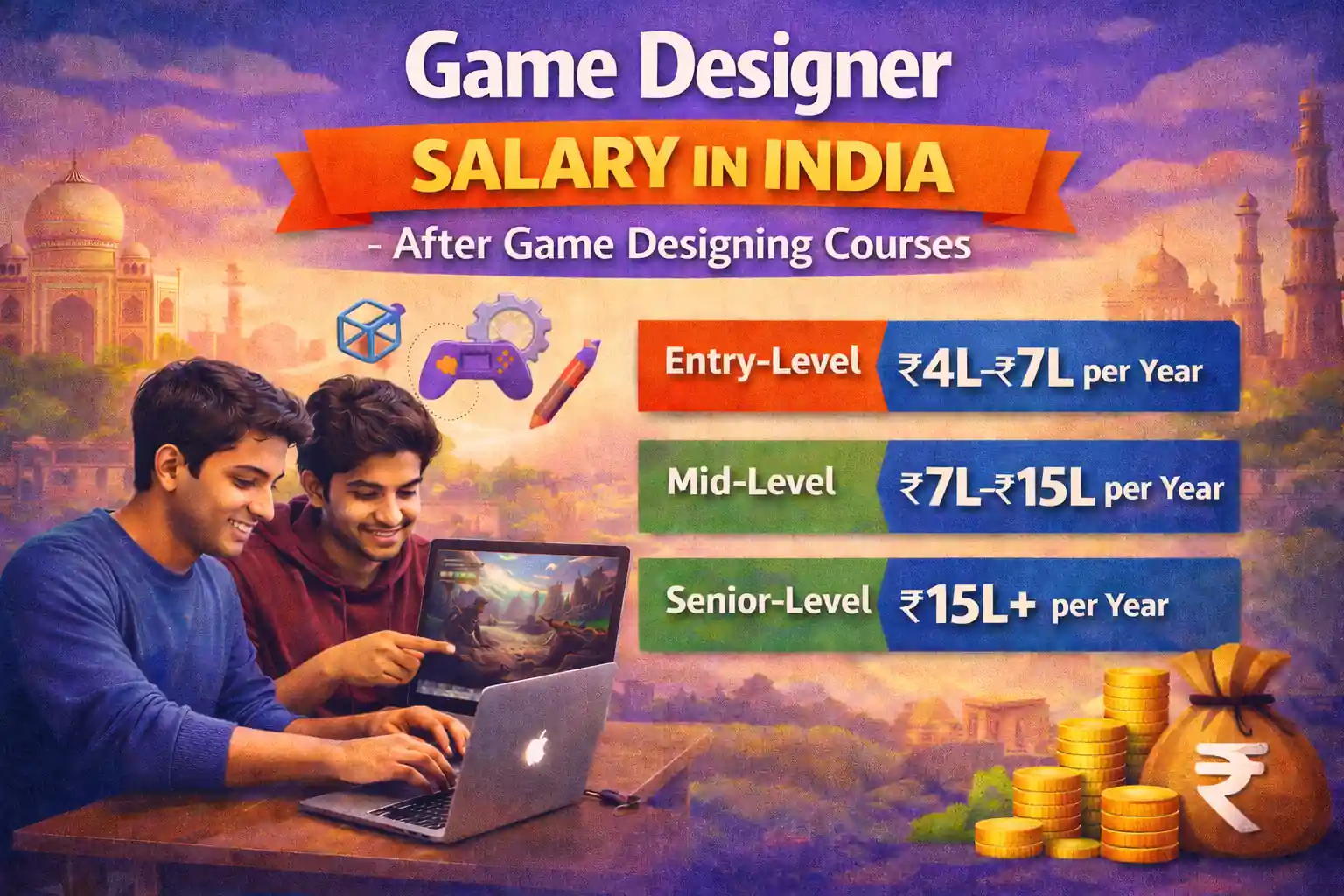
Also Read: Game Designer Salary in India After Game Designing Courses: A 2026 Guide
Game Designer Resume: What All to Include
Your resume is the first medium through which recruiters get to know of your skills and expertise. Here are some details you will see in any good ATS-friendly game designer resume examples:
- Personal Details: Name, email ID, contact number, city, and state
- Summary: 2-3 lines showcasing your strengths and interest in the field
- Skills: Technical and creative skills
- Projects: 2-3 games you have worked on for academic purposes or otherwise
- Tools: Engines, languages, and design software
- Others: Education and additional relevant certifications (if any)
How to Get Hired in the Gaming Industry: Key Tips
If you dream of entering the gaming industry, the following tips can be helpful:
Do you want free career counseling?
Ignite Your Ambitions- Seize the Opportunity for a Free Career Counseling Session.- Build a strong portfolio with 2 or 3 polished projects
- Improve your skillset through courses or online challenges
- Network with designers, developers, and recruiters on LinkedIn
- Customise your resume and portfolio for each role
- Stay updated with industry-relevant tools and trends
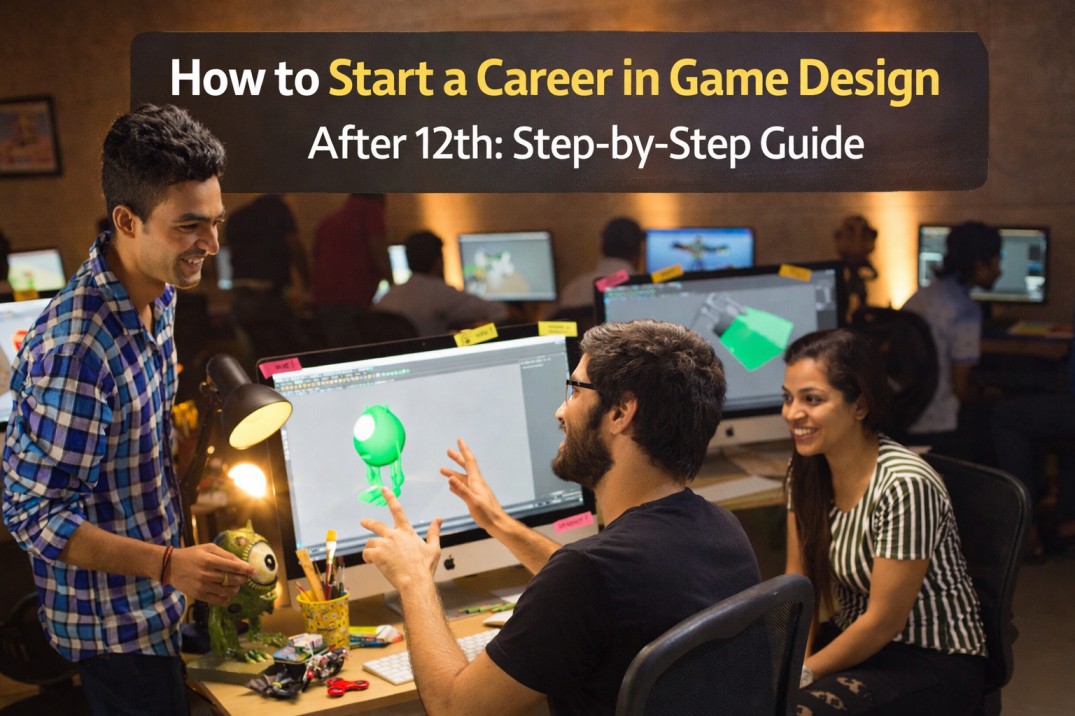
Also Read: How to Start a Career in Game Design After 12th: Step-by-Step Guide
How AAFT Helps You Build a Job-Ready Game Design Portfolio
Before stepping into the gaming industry, having a portfolio that demonstrates your skills, thought process, and practical abilities is far more important than just holding a degree. Many institutes teach game theory, but only a few provide the ecosystem where students can actually design, test, refine, and deploy their ideas, AAFT is one of them.
With over decades of experience in creative and media education, AAFT has built a reputation for offering industry-oriented learning in fields like filmmaking, animation, and game design.
Whether you are pursuing game designing programmes or diploma courses at AAFT, we ensure that you get an academically enriching experience that makes you job-ready as well.
AAFT helps you make a job-ready game design portfolio in the following ways:
- Multiple real game development projects for portfolio depth
- Portfolio evaluation and guidance from experienced mentors in the field
- Exposure to the key elements of game design
- Access to labs, editing suites, and production tools
Also Read: Animation Tips for Beginners: Your Complete 2026 Guide to Starting A Good Animation Career
Conclusion
Having a portfolio of game design is not just a requirement but a necessity if you wish to go beyond listing your skills in your resume. It helps potential recruiters understand what you bring to the table and assess your abilities with real-life projects. With the tips on making a portfolio mentioned in this game art portfolio guide, you are now ready to build one that helps you become the first choice of recruiters.
If you want to let your game design skills and knowledge speak for themselves, you can consider enrolling in your preferred AAFT game design course . Book a campus visit with us today to get a first-hand look at the journey that awaits you.
FAQs on Game Design Portfolio Guide
Can I include unfinished projects in my portfolio?
Yes, you can include unfinished projects as well, with a remark such as “in progress” to suggest that you are still working on it.
What is the best way to present my game design projects to prospective recruiters?
The best way to present your game design projects is by creating an online portfolio on a website.
Are personal game projects important in a portfolio of game design?
Yes, personal game projects help you show your genuine passion and creativity to recruiters.
Where can I find complete details regarding game design courses at AAFT?
You can find complete course details by submitting a short form and downloading the brochure from our official website.
Will creating my online portfolio require website design experience?
No, many platforms allow you to make simple yet professional websites for showcasing your portfolio.
Does AAFT offer higher studies courses in game design?
Yes, AAFT offers an M.Sc. in Game Design and an M.Sc. in Animation for design course higher studies.
What is the ideal length of a game design portfolio?
An ideal portfolio of game design should be either 5-10 pages or a simple scrolling website.
What mistakes should I avoid while creating my game design portfolio?
Avoid adding too many unfinished projects, unclear explanations, copied concepts, or projects without documentation. Each project should reflect your individual contribution.