
B.Sc. in Cinema: Course Fees, Eligibility, and Career Scope Explained
Filmmaking is one of the fastest-growing creative fields in India, shaped by OTT platforms, digital content, advertising, and independent cinema. For students who want to step into this world right after 12th, a B.Sc. in Cinema offers a structured way to learn how films are actually made.
From understanding shot design and performance to mastering lighting, sound, editing, and production workflows, this programme gives you a complete view of what happens on and off the set. It also allows you to specialise early, build a strong portfolio, and gain the skills needed to grow in diverse creative roles.
If you’re planning to explore this career path, read on to understand the course structure, specialisations, career scope, and the B.Sc. in Cinema course fees.
What is a B.Sc. in Cinema?
A B.Sc. in Cinema is a three-year filmmaking degree that introduces you to the creative and technical sides of film production. You learn how visuals are designed, how scenes are lit, how performances are shaped, and how sound, camera, and editing come together to tell a story.
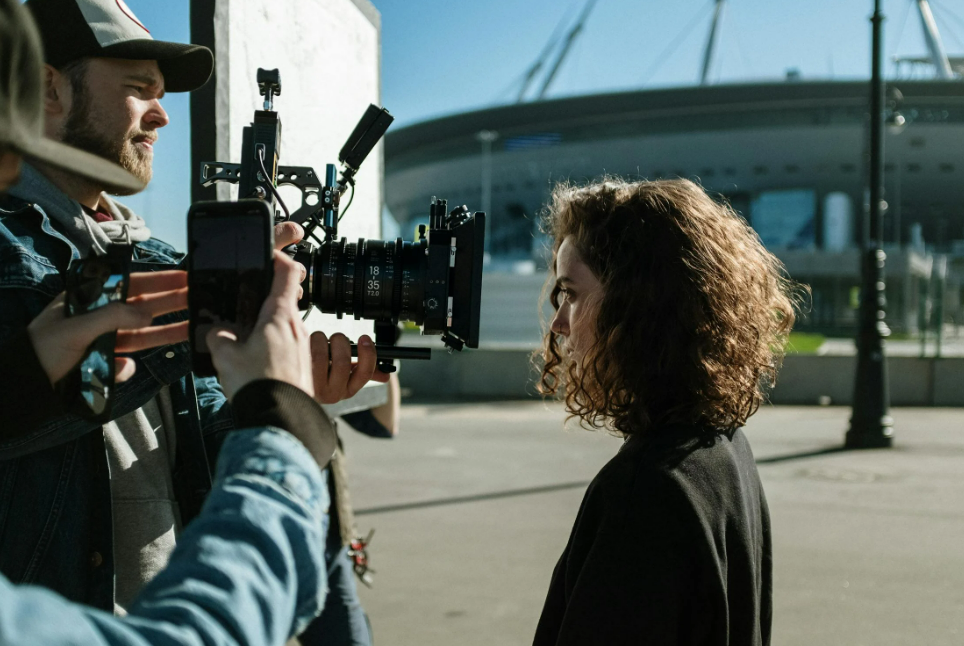
The course isn’t limited to classroom learning; you spend a good amount of time on set, working on projects, building a portfolio, and understanding how different departments function. The degree also allows you to specialise early, so you can focus on the discipline that genuinely interests you, whether that’s cinematography, direction, acting, or post-production.
Today, many well-established institutes across India offer this degree, each bringing its own strengths to the table. One such institute is AAFT, where students benefit from structured guidance, hands-on training, and access to professional facilities, all of which help create a more grounded and industry-ready learning experience.
Also Read: Post Production in Film: Everything You Need to Know Before Joining the Industry

Who Can Apply for a B.Sc. in Cinema?
To enrol in a B.Sc. in Cinema programme, students generally need to meet the following requirements:
- Completion of 10+2 from any recognised board in India
- A minimum aggregate score of around 50% (with relaxed criteria for reserved categories)
- Successful performance in a personal interview, which many institutes include as part of the selection process
- Some institutes also conduct their own entrance exams for admission. For instance, AAFT evaluates applicants through the AAFT Global Entrance Test (GET)
Also Read: How to Become a Film Director: Step-by-Step Guide for Beginners
Course Duration and Learning Structure
A B.Sc. in Cinema is generally a three-year program divided into six semesters. Classes are usually held five days a week and include a balanced mix of theoretical lessons and practical sessions.
Book Now →
Here is what the B.Sc. in cinema syllabus covers:
- Periodic shoots
- On-set and studio practice
- Guest lectures from working professionals
- Industry workshops
- Production and editing labs
- Mentored assignments
- Showreel creation or final portfolio
Also Read: Essential Filmmaking Skills in 2026 Recruiters Look For
B.Sc. in Cinema – Fee Structure
Before applying to this course, it’s good to have a basic idea of the B.Sc. in Cinema course fees. The fee can differ from one institute to another, but most colleges follow a semester-wise payment format to make things manageable for students.
Do you want free career counseling?
Ignite Your Ambitions- Seize the Opportunity for a Free Career Counseling Session.Top institutes like AAFT also follow this system, and their fee details for this programme are shown in the table below.
| Fee Type | Amount (In INR) |
| At the time of admission | ₹1,62,800 |
| 2nd Installment | ₹1,30,000 |
| 3rd Installment | ₹1,30,000 |
| 4th Installment | ₹1,30,000 |
| 5th Installment | ₹1,30,000 |
| 6th Installment | ₹1,30,000 |
The overall B.Sc. in Cinema fee structure in India (2026) is designed to support the practical nature of the programme. The fee typically covers access to real-world film projects, high-tech production and editing labs, specialised training certificates, hands-on studio practice, participation in recognised events and film-related activities, and workshops led by industry professionals.
Also Read: Cinema Course Syllabus 2026: Subjects, Projects and Placement Outlook
Career Scope After B.Sc. in Cinema (2025 and Beyond)
India’s content and entertainment sector is expanding quickly, creating opportunities across OTT platforms, YouTube, corporate production, advertising, and traditional filmmaking. This growth directly benefits students pursuing cinema-related degrees.
Here’s an overview of the career opportunities available after a B.Sc. in Cinema and the different roles you can pursue in the industry:
| Career Path | Positions/Role |
| OTT Production and Film | Production Manager, Assistant Director, Line Producer, Film Director and Producer. |
| Commercials and Advertising | Production Coordinator, Ad Film Director, Storyboard Artists, and Creative Director. |
| Documentaries | Director of Photography, Producer, Document Filmmaker, and Researcher. |
| Independent Filmmaking | Cinematographer, Independent Filmmaker, Producer and Writer-Director. |
| Corporate Filmmaking | Product Manager, Corporate Video Producer, Visual Storyteller, and Video Content Creator. |
| Digital Content Creation | OTT/YouTube Content Creator, Editor, Motion Graphics Designer, and Social Media Video Producer. |
| Acting and Performance | Acting Coach, TV/Film Actor, Voice Artist and Theatre Performer. |
| Post-Production | Post-Production Supervisor, Video Editor, Colourist, VFX Artist, Sound Designer and Compositor. |
| Technical/Crew Roles | Production Assistant, Camera Operator, Grip, Lighting Technician/Gaffer and Drone Operator. |
| Freelance Opportunities | Consultant, Editor, Filmmaker, Motion Graphics Artist, Cinematographer, Content Creator and Editor. |
Final Thoughts
Now that you know the fees, eligibility criteria, and the B.Sc. in Cinema job opportunities in India, you can evaluate whether this programme fits your aspirations. The next step is choosing the right institute, as the quality of training, exposure, and support can shape your overall learning experience.
Several film schools offer this course, each with different strengths. Among them, AAFT is a well-established option. Known for industry-level studios, hands-on training, experienced faculty, practical projects, and dedicated placement assistance, our students graduate with a strong portfolio, which helps them stand out in the competitive film, OTT, advertising, and digital media space.
If you are curious to learn more about us, you can book a campus visit to experience the environment in person.
FAQs on B.Sc. in Cinema Career Scope
Do I need a science background to apply for a B.Sc. in Cinema?
No. Students from arts, commerce, or science can apply. The “B.Sc.” title refers to the technical approach of the course, not the required stream.
What is the ideal age to pursue a B.Sc. in Cinema?
Most learners join right after 12th, but anyone between 17–25 can comfortably start, as filmmaking welcomes diverse perspectives.
Will I learn how to plan a film budget or schedule?
Yes. Most B.Sc. Cinema programmes include basic training in production planning, budgeting, scheduling, and set management.
How soon do students start working on shoots?
Usually within the first semester. Learners begin with simple exercises and progress to short films, studio shoots, and independent projects.
What soft skills will I learn during the course?
Teamwork, communication, time management, creative problem-solving, leadership, and on-set discipline are all a part of the learning process.
Does the course include training in modern tools like drones or colour grading?
Yes. This programme introduces learners to drones, colour grading tools, DaVinci Resolve, sound design software, and basic VFX platforms.
What kind of portfolio do students graduate with?
Students usually have short films, scene exercises, documentaries, showreel clips, scripts, and other projects that demonstrate both creativity and technical ability.