Post Production in Film: Everything You Need to Know Before Joining the Industry
When you first dream of working in movies, you might have only thought about shooting scenes, actors with cameras. However, the real magic takes place once the shooting comes to an end. This stage is known as post production. In the post production process, simple raw footage gets transformed into a meaningful story that connects with the audience.
If you want to work in the movie industry as a VFX artist, sound designer, editor or filmmaker, you need to know what post production is in film. It can tell you how exactly a movie comes to life. But what happens behind the scenes of this process? Let’s gain more insights into it through this blog.
Why Does Post-Production Matter in Movies?
Post-production is the stage in a movie where it takes its final shape. Even when you shoot a beautiful scene, there might be small issues, such as:
- The sound might not be clear
- The shot feels way too long
- The lighting is dull
Without post production, these problems can remain in the film. That is why post production is necessary, as it can help in fixing such issues. Here is how it can help you:
- Adds creative elements: You can add titles, VFX, background music and other effects that can make the movie look polished.
- Make the film smooth: Cut the movie scenes properly, match the sound and make the entire film feel professional and clean.
- Correct blunders: You can get rid of shaky shots, enhance the lighting and even clean the noise in the audio.
- Bring out the emotions: It is possible to make a scene look sad, dramatic, bright, warm or soft just by adding small sound effects, music or colour.
Also Read: Top Cinema Institutes in India 2026: Fees, Courses, Placements
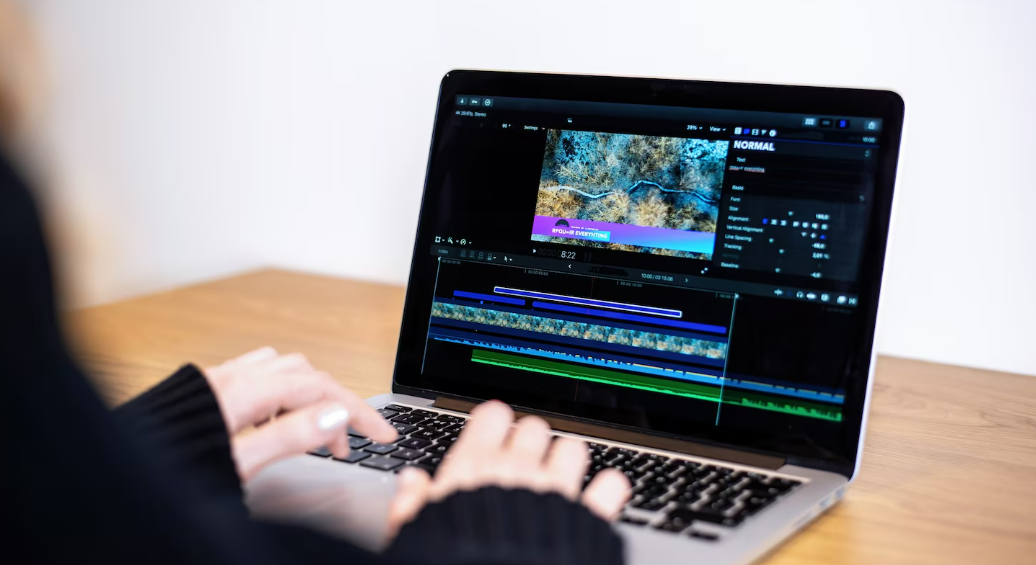
What Skills Do You Need to Learn for Post-Production?
To build a successful post-production career or just understand the method as a film director, learners need to master the following skills:
1. Workflow and Teamwork
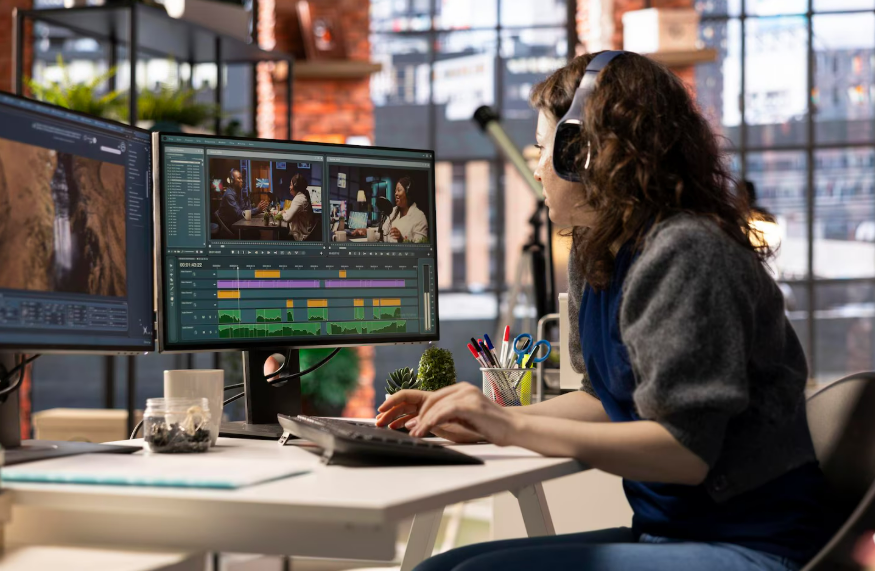
Post production is not done by just one individual. Colourists, editors, VFX artists, and sound designers must work together. Knowing how to communicate and working in coordination is essential.
2. Motion Graphics and VFX
These help enhance visuals by adding effects, graphics, or removing unwanted elements to make scenes look more polished and impactful.
3. Colour Grading
Colour grading is a skill for changing the shades of the video to create a mood. You can make a scene look dramatic, dreamy, dark, cool, or warm.
4. Sound Mixing and Sound Design
With the help of this skill, you can add sound effects, remove noise, clean the audio and balance the voices with background music. Proper sound can make the movie feel real.
Book Now →
5. Video Editing
By knowing video editing, you get to join and cut various shots to make smooth story transitions. You can easily place the scenes in the correct order and create the necessary flow of the movie.
Also Read: What To Do After a Cinema Course in 2026: Roadmap for Beginners
How to Learn about Post-Production?
You can easily learn about post-production through a good film school, self-learning and practice. Let’s understand them in detail:
Do you want free career counseling?
Ignite Your Ambitions- Seize the Opportunity for a Free Career Counseling Session.1. Joining a Film School
A structured programme can provide you with proper equipment and training. For instance, AAFT provides some of the best programmes for post-production, such as:
- B.Sc. in Cinema (Specialisation in Post-Production): This 3-year programme covers the creative and technical aspects of editing, including video editing, sound design, colour grading, VFX, and digital workflows used in modern filmmaking.
- Diploma in Post-Production: This 1-year programme keeps its focus on post-production workflow, colour grading, video editing, VFX, and sound design.
- M.Sc. in Cinema (Specialisation in Post-Production): This 2-year course is perfect when you want to work in digital media, OTT, TV or even in movies.
Taking up courses on post-production at AAFT can give you access to studios, professional software, editing suites, and mentors, giving you an actual industry-like experience even before you graduate.
2. Self-Learning and Practice
If you want to start learning about post-production on your own, that can be an option too. Here is how you should do it:
- Shoot short movies or videos with a basic camera or phone.
- Learn affordable or free editing software.
- Practice basic effects, simple colour corrections, and sound editing.
- Collaborate with your friends or family related to the industry. One can handle edits, one may take care of the sound, and one can experiment with effects or colour.
- Watch movies and try learning from them. Understand how the sound is used, how effects are applied and how cuts are made.
Also Read: Top 10 Film Direction Colleges in India 2026
Conclusion
When you want to make movies, you must know that post-production is important. It is the stage that gives the movie its final emotion, look and sound. Post-production is also the stage where your story comes alive. Learning about it can qualify you for many post-production jobs, where you can gain knowledge through self-learning or by taking courses from AAFT.
It can provide you with skills that can make your work powerful, professional and clean. Believe in your ideas and trust your journey, because post-production is where your movie gets its true form, and it is also the place where your path as a film director truly begins.
If you want to know more about this field and the courses provided by AAFT, fill out the enquiry form and take your first step into the world of post-production.
FAQs on Post Production in Film
1. Is there a place in India to learn about post-production?
Yes. AAFT offers degree and diploma courses in post-production, which you can take up. These programmes come with mentorship from industry experts, editing labs and even studios.
2. Is post-production only for films?
No. Post-production is essential for web series, advertisements, music videos, documentaries, OTT content, corporate videos, and social media films as well.
3. What are the skills needed in post-production?
Skills such as good editing, an eye for detail, clean sound design, patience, colour scene and the ability to work with others are needed in post-production.
4. How long does post-production usually take?
It depends on the scale of the project. A short film may take a few weeks, while feature films and VFX-heavy projects can take several months or even years.
5. What software should I learn for post-production?
Tools like Adobe Premiere Pro, Final Cut Pro, DaVinci Resolve (colour grading), After Effects (motion graphics), Pro Tools (sound), and Nuke (advanced VFX) are commonly used.
6. Is post-production a desk job?
Mostly yes, as it involves digital work. However, collaboration and review sessions with directors and teams are also a big part of the workflow.
7. Can I specialise in only one area, like sound or editing?
Yes. Many professionals build careers focusing on one area, editing, sound design, colour grading, or VFX, and become experts in that domain.
8. What is the difference between editing and post-production?
Editing is one part of post-production. Post-production includes editing along with sound design, colour correction, VFX, and final mastering.