What To Do When You Want to Switch Careers Into Filmmaking in 2026
The filmmaking world has never been as dynamic and accessible as it is in 2026. Digital content, streaming sites, and independent cinematography are booming across the world, and they have a massive demand for new talent. This might also be the right time to change occupation and move into the world of filmmaking.
It doesn’t matter which sphere you are entering, corporate, IT, marketing, and so on, but to venture into the creative world of filmmaking, you have to be strategic. This is a step-by-step guide to becoming a filmmaker by changing professions.
Making a Successful Career Change to Filmmaking
1. Know the Filmmaking Landscape
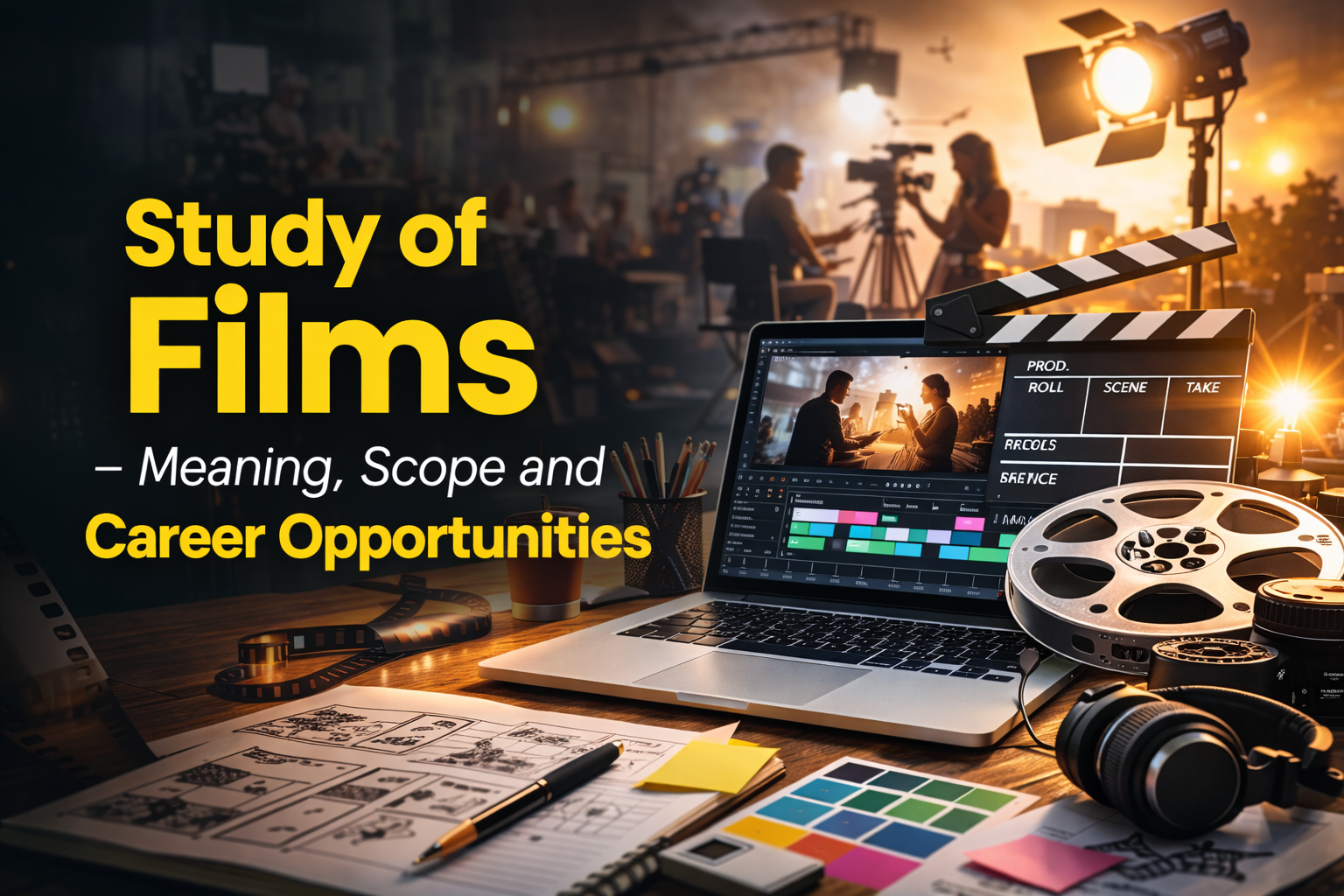
It is essential to conceptualize modern filmmaking before getting down to it. The filmmaking courses like short term courses in Certificate in Production Direction and Screenplay Writing, or PG Diploma in Filmmaking has ceased to be simply about directing movies because it comprises a number of roles, including:
- Direction and Screenwriting: The makeup of stories and their visualization.
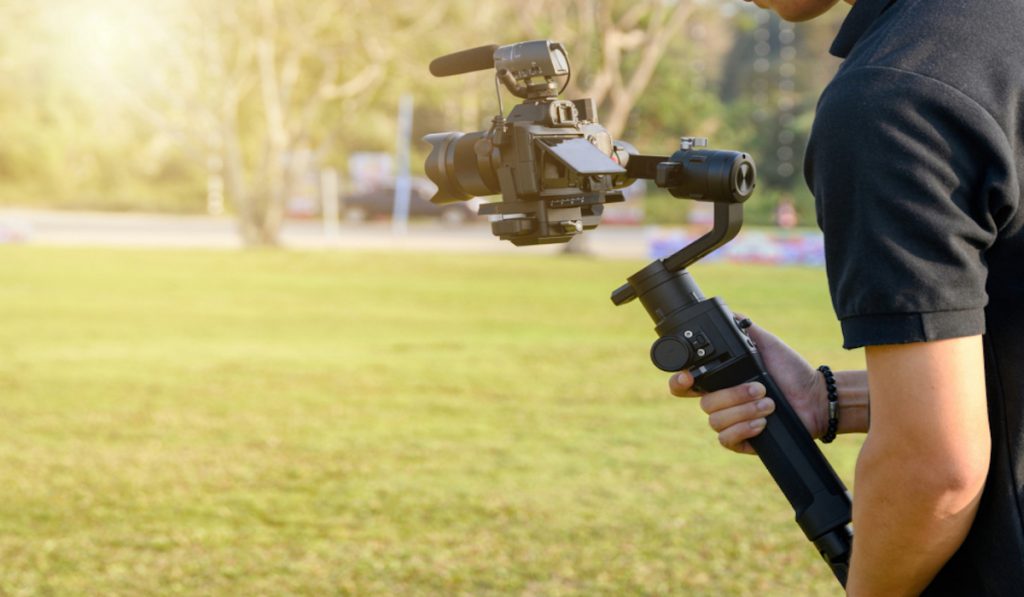
- Cinematography Course: The art of visual speech of film, courtesy of camera work and lighting.
- Editing and Post-Production: Assembling video and making it into a coherent and compelling narrative.
- Production Design and Art Direction: The design of the appearance and feel of sets and locations.
- Sound Design: The art of raising narratives by use of sound effects and scores.
Knowing these jobs will assist you in choosing where your interests and abilities will be the most appropriate. Early awareness of your niche would help you save time and have a better idea of your career path.
2. Evaluate Your Portable Competencies
Changing careers does not imply starting off again. A significant number of skills that were available during your experience can be useful in making films. For example:
- Project Management: Applicant in the management of production and film timing.
- Marketing/ Communication: Assists in selling movies or selling ideas.
- Photography or Visual Arts: A good grounding in making cinematography.
- Writing: This can be translated to screenwriting or script supervision.
List your skills and consider how these skills can be used in the film industry. This assessment makes you confident, as it also aids in choosing the appropriate specialization.
Must Read: How to Be a Film Director: Key Skills, Types of Classes, Income
3. Earn official qualifications in filmmaking
Although passion and talent are necessary, formal training offers an opportunity to learn and get hands-on experience. A filmmaking course can assist you in:
- Master some technical knowledge in camera work, lighting, editing and sound.
- Learn how to tell stories, story structure, and scriptwriting.
- Get exposure to industry-standard equipment.
- Create a portfolio that demonstrates your ability.
There is no need to have a full-time program, and short-term courses, workshops, and online programs are also very good opportunities for career switchers.
4. Begin establishing and developing a Portfolio.
The portfolio or showreel is very important when it comes to displaying talent. You can always begin small, even though you are moving out of the other field:
Book Now →
- Short Films: Work with your friends or other students to narrate great stories.
- Documentaries: Gather facts on real stories in order to show the storytelling and observation abilities.
- Music Videos or Ads: It is time to experiment with various formats and explore the visual style.
- Animation/ VFX Projects: Display technical creativity in the event you possess digital expertise.
Diversity in a work portfolio will showcase flexibility and dedication to the business, which is vital when joining a competitive business sector.
5. Gain Practical Experience
Experience is highly valuable. Start by:
- Doing Independent Projects: Volunteer on short films, student projects, or web series.
- Internships: Use exposure in production houses, studios or media companies.
- Partnerships: Find young filmmakers or artists who are interested in collaborating with the company and developing projects that can be posted on the Internet.
All projects, however minor, contribute to the development of skills, credibility, and confidence.
Do you want free career counseling?
Ignite Your Ambitions- Seize the Opportunity for a Free Career Counseling Session.6. Be in touch with the trends in the industry
Filmmaking is a constantly changing industry. It is important to keep up with the times:
- Keep up with Industry News: Track the trends in filmmaking, technology, and streaming.
- Learn More Tools: The software, such as Adobe Premiere, DaVinci Resolve or After Effects, tends to be popular with post-production.
- Test Format: Try short-form content, web series, VR films, and digital storytelling.
Having a flexible and technologically conscious nature will make you more likely to succeed in the competitive market of 2026.
7. Network and Collaborate
Film production is very cooperative. Opportunities: Networking may open the door:
- Film Festivals/ Workshops: Participate in activities to get to know industry professionals and colleagues.
- Online Communities: Both forums and social networks exist where filmmaking is discussed.
- Group Projects: Take part in indie movies or student projects in order to gain experience.
- Get Mentorship: Be mentored by successful filmmakers to fine-tune your skills.
The relationships you form could also be the beginning of your first big project or employment in the business.
Must Read: Cinema vs Filmmaking Course in 2026: Which One Fits Your Career Plan?
8. Get ready for a Gradual Transition
Making a career change does not occur in a day. You need to plan your transition:
- Start Part-Time: Filmmaking is a part-time job that you do on top of your current work.
- Financial Planning: You should have a financial buffer to help you in your transition to a different career.
- Determine Milestones: Have short term and long term learning, project and networking milestones.
The gradual change will minimize the risk and will enable you to adjust without overwhelming you.
Conclusion: Leaping Forward in 2026
The idea of changing careers to get into filmmaking in 2026 is exciting and challenging. Through effective planning, development of skills and practice, you can then turn your passion into a fulfilling career. It does not matter whether you are interested in directing, cinematography, editing or production; the main point is just to begin learning, create a portfolio, and network.
Students seeking a more structured and hands-on learning experience in filmmaking have a variety of options at institutions such as AAFT Noida, which have detailed programs to assist career switchers to acquire industry-level skills alongside practical experience. You will be able to jump into the world of movies and leave your mark with the right guidance.
Switch Careers Into Filmmaking FAQs
Will I be able to change to filmmaking without experience?
Yes! A lot of filmmakers begin with a blank slate. The most important ones are passion, transferable skills and commitment to learning. The first step can be short films or courses where you can acquire practical knowledge in a short period.
What are the most relevant skills during a career change to filmmaking?
It is important in storytelling, creativity, technical skills (camera, editing, lighting), communication and project management. The fact that you have transferable skills in your prior profession can also prove to be a major boon.
What is the duration required to get industry-ready in filmmaking?
It is based on your dedication and earlier competencies. By putting in hard work, practice, and networking, in 1-2 years, you will be able to develop a strong portfolio.
Does filmmaking training benefit career switchers?
Absolutely. Professional programs offer technical know-how, mentorship, access to equipment and networking, which is essential to any individual who wants to get into filmmaking.
What is so special about AAFT Noida in filmmaking courses?
AAFT Noida provides career-oriented courses and learning, professional faculty, and practical exposure, which makes it an ideal option when one wants to change careers to filmmaking to succeed.