Step-by-Step Guide to Interior Design Course for Beginners 2026
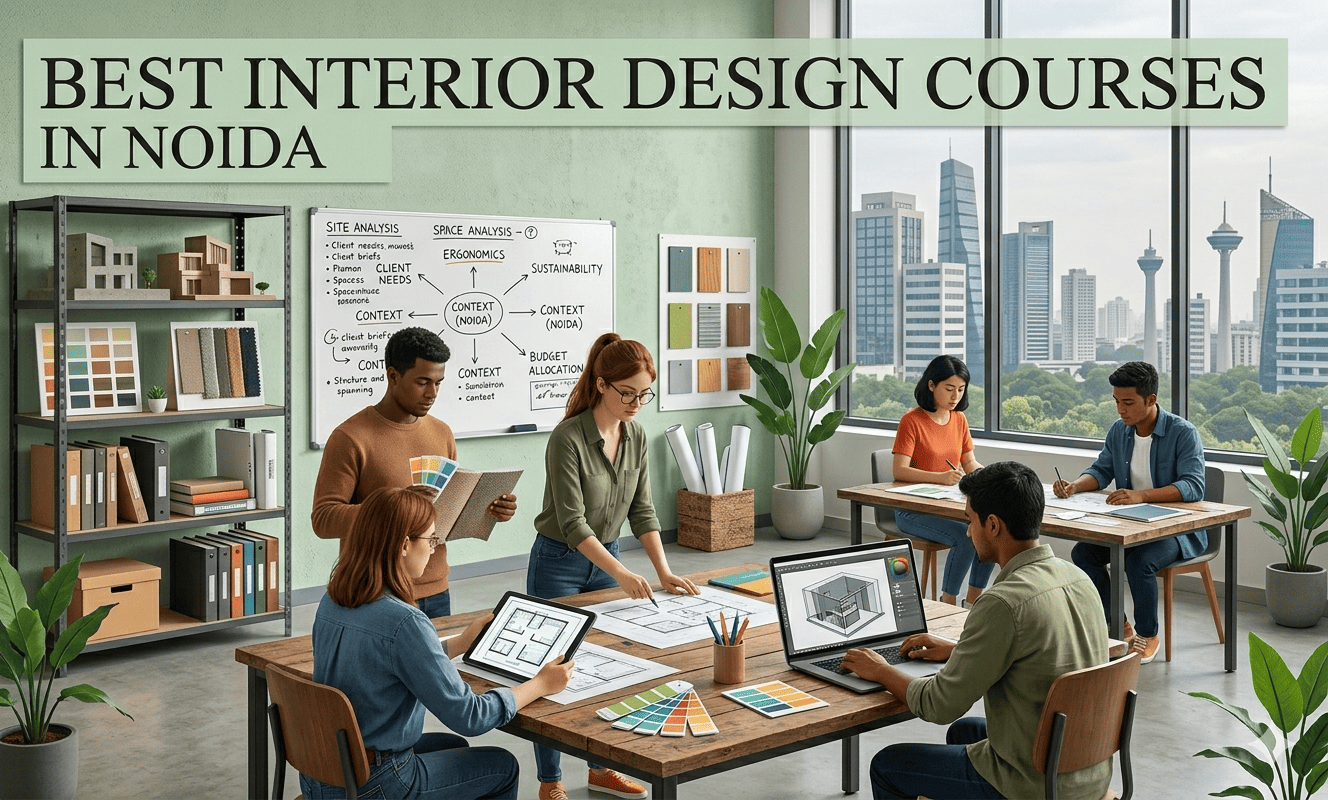
Interior design is no longer limited to simply adding furniture and colours to a space. By 2026, it will have evolved into a professional field that blends creativity, functionality, sustainability, and technology. For those starting, understanding the right learning path is essential, especially when choosing an interior design course for beginners that offers practical, hands-on experience.
Whether you are just exploring the field or planning to pursue a bachelor’s in interior design, having the right guidance can make all the difference. This step-by-step guide will help you understand the basics, required skills, and the right educational path to get started.
It also gives you clarity on professional training options, including industry-focused institutes like AAFT Noida, so you can begin your journey with confidence.
How Can Beginners Learn Interior Designing in 2026?
Beginners can start learning interior design by understanding how spaces work, exploring design principles, and enrolling in a professional interior design course. Learning design software, working on creative projects, and gaining practical experience through internships can help build the skills needed for a successful career.
Today, interior design is about creating spaces that are both functional and aesthetically appealing, enhancing the way people live and work. This also highlights the growing scope of the interior design course in India for students looking to enter the field.
This Interior Designing Guide (2026) walks you through the basics, along with practical tips and techniques to help you start with the right industry knowledge and skills, something that is strongly emphasised in professional training at institutes like AAFT Noida.
Step 1: What Is Interior Design and What Does an Interior Designer Do?
Interior design is the process of creating functional, aesthetically appealing, and user-friendly indoor spaces. Interior designers plan layouts, select materials, design furniture arrangements, and collaborate with clients and architects to improve how spaces look and function.
The art and science of improving the interior space to ensure it becomes functional, appealing to the eye, and corresponding with the needs of the users is known as interior design. It entails space management, material choice, lighting, color, furniture arrangement, and the way human beings interact with the spaces.
In a professional college such as AAFT Noida, interior design is not all about being beautiful. The designers work with architects, contractors, and clients to make sure that it is safe, comfortable, sustainable, and usable. This understanding is holistic and is the core of a successful interior designer.
Step 2: What Are the Basic Principles of Interior Design?
The basic principles of interior design include space planning, balance, harmony, colour theory, lighting, textures, and material selection. These fundamentals help designers create visually appealing and functional spaces.
Book Now →
All interior designers are required to master some of the basic principles before proceeding to the advanced concepts. These are the fundamentals, taught at the early stages of professional courses like B.Des in interior design and B.Sc in interior design at AAFT Noida.
Key principles include:
- Space planning and layout
- Composition, unity, harmony.
- Color theory and psychology
- Lighting (natural and artificial).
- Textures, finishes, and materials.
To novices, the concept of these principles can be seen through the reason behind successful designs and how to make a room or a place look unified and meaningful.
Do you want free career counseling?
Ignite Your Ambitions- Seize the Opportunity for a Free Career Counseling Session.Step 3: What Skills Are Required to Become an Interior Designer?
Interior designers need a combination of creative and technical skills, including visualisation, space planning, communication, drafting, problem-solving, furniture design, and project management. These skills help transform design ideas into practical spaces.
Good technical knowledge is also required in interior design, although creativity is a necessity. AAFT Noida concentrates on growth at both beginner levels.
- Creative skills include:
- Concept development
- Mood board creation
- Visual storytelling
- Trend interpretation
- Technical skills include:
- Layout planning and drafting.
- Construction basics
- Furniture detailing
- Floor plan reading and reading elevations.
Other courses such as Diploma in Interior Design and PGD in Interior Design offered at AAFT Noida are also ideal, especially for beginners who would want to have skills-based and practical training in a shorter period of time.
Step 4: Which Software Do Interior Designers Use?
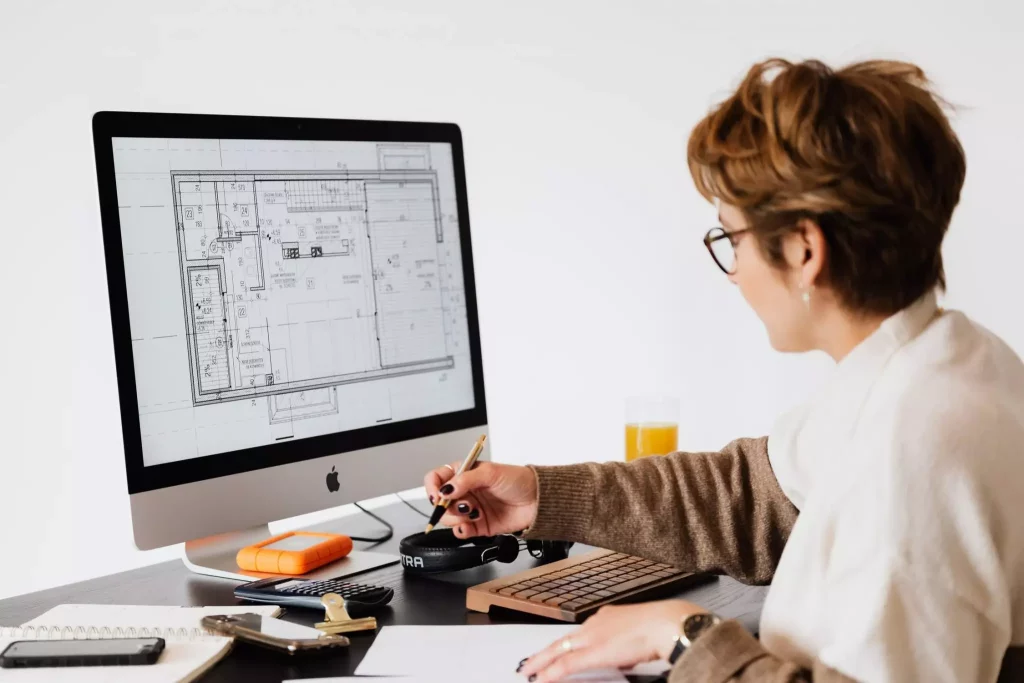
Interior designers commonly use AutoCAD, SketchUp, 3ds Max, Revit, and Photoshop to create floor plans, 3D visualisations, technical drawings, and client presentations. Learning these tools is essential for modern design practice.
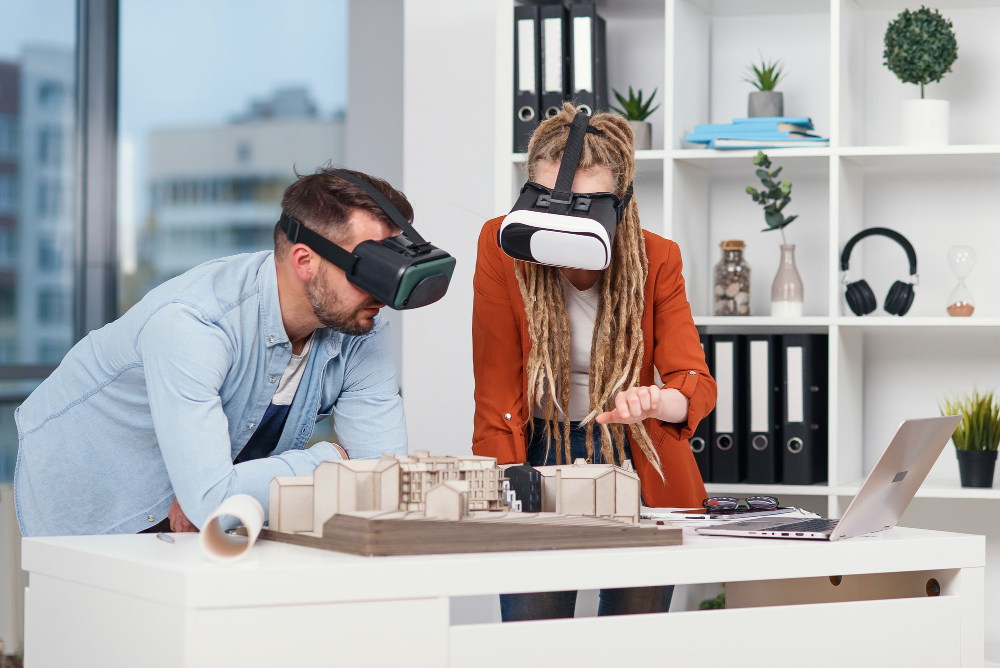
In the year 2026, interior designers are strongly dependent on online technology to visualize, present, and implement ideas. Novices should be taught the industry-standard software at the beginning of the training.
Common tools include:
- Layouts/Technical drawings: AutoCAD.
- SketchUp for 3D modeling
- 3ds Max for realistic rendering.
- Photoshop for making presentations.
Other courses like B.Sc in Interior Design and M.Sc in Interior Design, offered in AAFT Noida, combine training in software with design projects, so that students come out with technical skills ready to join work.
Step 5: What Are the Different Specializations in Interior Design?
Interior design offers specializations such as residential design, commercial interiors, retail design, hospitality design, sustainable design, and furniture design. Students can choose a specialization based on their interests and career goals.
There are several career opportunities in the field of interior design, and aspiring professionals must consider them before settling on a specialization.
Popular areas include:
- Interior design in apartments.
- Office and commercial interiors.
- Retail and showroom design
- Hotels and restaurants (hospitals).
- Green design and sustainable design.
Professional courses such as M.Sc in interior design at AAFT Noida enable students to focus more, complete complicated projects, and prepare themselves to become leaders or consultants.
Step 6: Which Interior Design Course Is Best for Beginners?
The best interior design course for beginners depends on career goals and educational background. Popular options include Diploma, B.Des, B.Sc, PG Diploma, and M.Sc Interior Design programs that provide practical and industry-focused training.
This is one of the most significant steps in this Interior Designing Guide to Beginners to select the right course. It must fit in with your career objectives, time, and education.
- B.Des in Interior Design – Perfect for thorough, creative, and professional training.
- B.Sc in Interior Design- Specializes in industry, technical, and practical learning.
- Diploma in Interior Design -Appropriate for individuals who want to enter the profession in a shorter time.
- PG Diploma in Interior Design – Ideal for graduates or career changers.
- M.Sc in Interior Design- Advanced learning and specialization.
AAFT Noida provides these in structured programs, studio learning, and an introduction to the real-world design practice.
Step 7: Establish a Powerful Portfolio on the First Day
The most significant feature of an interior designer is a professional portfolio. At AAFT Noida, students start to work on their portfolios at an early stage of the course.
The portfolio of a beginner must contain:
- Design ideas and plans.
- Space planning projects
- 3D visualizations
- Light and material research.
Constant improvement of the portfolio contributes greatly to employability and freelancing.
Step 8: Experience Practically with Internships
Interior designing is a practical career, and practical experience is necessary. Internships enable the beginner to know:
- Client communication
- Visits and implementation difficulties at the site.
- Budgeting and timelines
- Coordination of vendors and contractors.
Some of these programmes, like the Diploma in Interior Design and PG Diploma in Interior Design at AAFT Noida, will have internship opportunities, and so they will get a chance to have real project exposure before they graduate.
Step 9: Be Trendy and Sustainable
Sustainability and smart design are some of the priorities in 2026. Novices need to be abreast of:
- Eco-friendly materials
- Energy-efficient lighting
- Smart home technologies
- Minimalist and multi-functional design trends.
The concept of sustainability in interior design education at AAFT Noida is integrated, especially in higher-level courses such as M.Sc. in Interior Design, which keeps the students in tune with the requirements of the world in the field.
Step 10: Find A Career In Interior Design
The beginners may take up jobs like:
- Interior Designer
- Space Planner
- Design Consultant
- Visual Merchandiser
- Furniture Designer
- Media and events set designer.
Given good training, exposure, and portfolio, AAFT Noida graduates are well geared to become fast-tracked in the interior design industry.
Conclusion
Being an interior designer can be daunting at first, but through proper guidance and education, it can be an exciting and fulfilling practice. It is through this Interior Designing Guide to Beginners that one realizes that one has to master the basics first, develop technical ability, choose the correct course, and have appropriate exposure.
Regardless of whether you start with a Diploma in Interior Design, pursue a B.Des, or B.Sc in Interior Design, or move into an M.Sc. in Interior Design, professional training at AAFT Noida gives you the framework, mentoring, and exposure to industry that will enable you to develop a sound career in interior design in 2026 and beyond.
Interior Designing Guide for Beginners FAQs
1. Will interior designing be a good career in 2026?
Yes, as the demand for residential, commercial, and sustainable spaces continues to rise, interior design is providing a powerful and varied career.
2. What is the most appropriate beginner interior design course?
Beginners may commence with a Diploma in Interior Design or complete with a B.Sc in Interior Design to conduct extensive training.
3. Am I required to be a sketcher to be an interior designer?
Simple drawing knowledge is useful, as there are professional software as well as visualization tools which are taught in institutes such as AAFT Noida to aid the beginners.
4. Will I be able to major in interior design?
Yes, the progression of both the PG Diploma in Interior Design and M.Sc in Interior Design programs is perfect to be a career changer.
5. How long does it take to be a professional interior designer?
Depending on the course of learning taken, it may take 1 year (diploma) and 3 to 5 years (degree and postgraduate programs).



Team AAFT
AAFT has been providing the world with limitless creativity and expression since 1993! Through a dynamic and industry-driven curriculum, AAFT provides engaging and captivating articles to persuasive blogs and empowers its readers to explore diverse avenues of creative media education-related content.