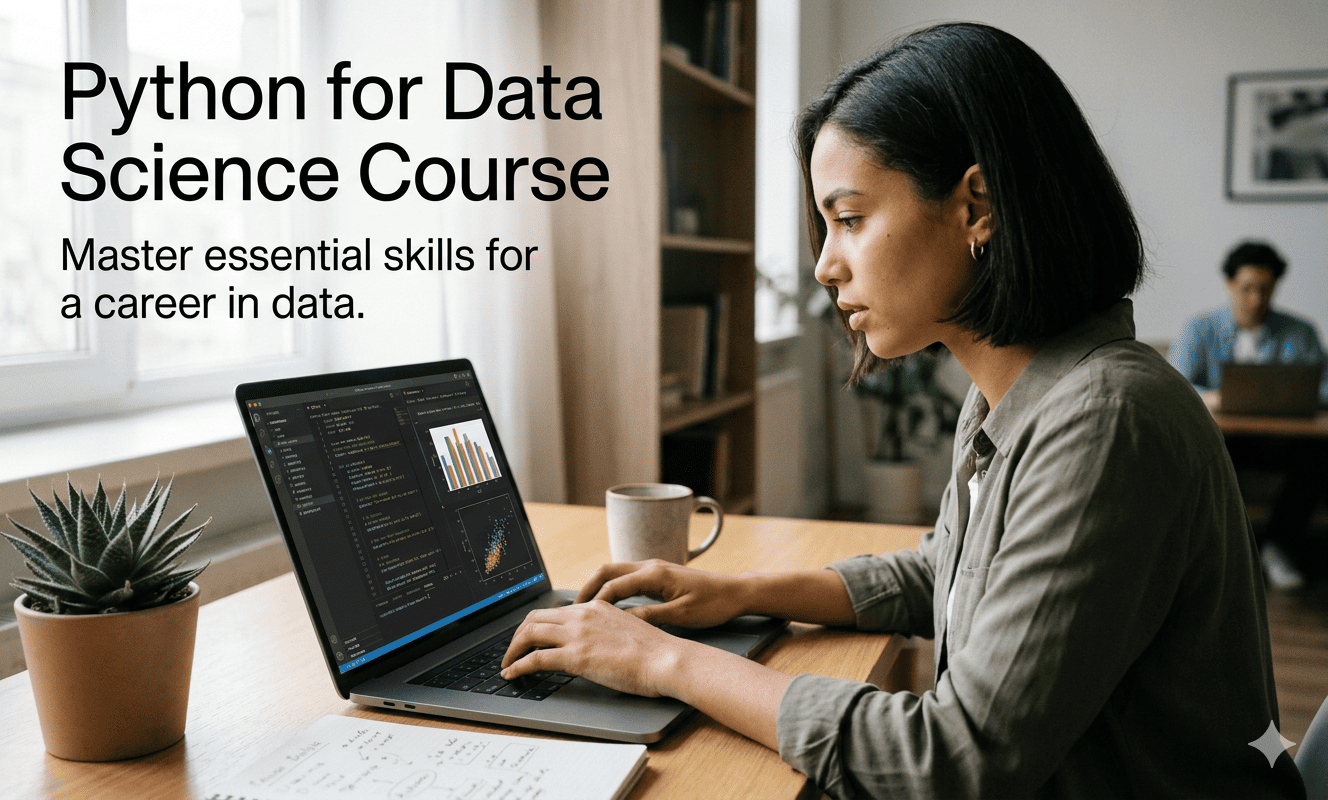
Data Science Course Syllabus for Beginners: Key Subjects and Essential Data Science Topics
Are you considering a career in data science or looking to strengthen your analytical skills?Understanding the core subjects included in a data science course syllabus is essential for anyone starting their journey in this field. This guide walks you through the key modules covered in leading data science programs, helping you build a strong foundation in data analytics, machine learning, statistics, and programming.
Explore how each subject contributes to solving real-world problems and why a well-structured curriculum is crucial for developing industry-ready skills and launching a successful career in data science.
Data Science Syllabus: Quick Overview
- AAFT’s data science course offers a comprehensive beginner-friendly syllabus, covering Python, statistics, machine learning, and practical real-world projects.
- The curriculum emphasizes foundational topics, hands-on learning, and industry-standard tools to build robust analytical and programming skills.
- Key modules include data analysis, data mining, and data visualization, ensuring students master essential techniques and gain actionable insights.
- Modern trends like deep learning and AI are integrated, preparing students for future careers in India’s evolving data science landscape.
- AAFT’s program provides career-ready training, full-stack projects, and personalized support to match students’ unique career goals and aspirations.
Explore the Complete Data Science Course Syllabus at AAFT
If you’re an aspiring data science professional in India, Delhi NCR, or Noida, exploring the data science course details at AAFT will set you on the right path. The AAFT data science syllabus covers the most relevant and up-to-date subjects, ensuring that beginners gain comprehensive exposure to key technologies in data science.
This practical learning approach helps students build a robust foundation, integrating essential data science topics, hands-on projects, and industry-standard tools. Prospective learners will discover how AAFT’s data science course syllabus addresses the science of analyzing complex data, methods for actionable insights, and future-driven skills.
With a strong focus on both theory and application, students benefit from well-rounded learning in a data science course in India, enabling them to confidently launch their journey and explore growing career opportunities in the field.
Core Data Science Subjects for Beginners
Diving into the data science course syllabus at AAFT, beginners can expect a structured curriculum that blends foundational science skills with real-world applications. The data science subjects introduce students to the essentials of working with data, from programming and statistics to machine learning and emerging AI technologies.
Python Programming
Python is one of the key programming languages introduced in data science. Students get familiar with programming concepts, automation, and using Python to work with and analyse datasets. This foundation helps beginners approach real-world data problems with greater confidence.
Statistics & Probability
Statistics and probability form an important foundation for data science. Students explore concepts such as statistics, probability, and mathematical principles that help them understand patterns, relationships, and trends within datasets and make informed data-driven decisions.
SQL & Database Management
SQL helps students understand how data is stored, accessed, and managed within databases. As part of the learning journey, beginners get exposure to querying, organising, and retrieving data, building the database management skills required to work with structured datasets.
Data Cleaning & Exploratory Analysis
Data acquisition, preprocessing, and cleaning help students learn how to structure complex datasets efficiently. Exploratory data analysis (EDA) then allows them to examine the data, discover meaningful patterns and relationships, and prepare datasets for further analysis.
Book Now →
Machine Learning
Machine learning introduces students to techniques that allow computers to identify patterns and make predictions from data. Students explore model development and evaluation while working with practical datasets, helping them understand how machine learning can be applied to real-world problems.
Data Visualization
Data visualisation helps students turn complex datasets into meaningful visual representations. Through charts, graphs, and other visual methods, learners can identify trends and communicate their findings more clearly, making data insights easier to understand and apply.
Big Data & Cloud Fundamentals
As students progress, they can explore the fundamentals of big data and cloud technologies. These concepts introduce learners to how large volumes of data can be stored, processed, and managed using scalable technologies in modern data-driven environments.
Do you want free career counseling?
Ignite Your Ambitions- Seize the Opportunity for a Free Career Counseling Session.AI, Deep Learning & Generative AI
The data science syllabus also introduces students to advanced areas such as artificial intelligence, deep learning, and generative AI. These topics help learners understand how intelligent systems work and explore their growing applications in data analysis and decision-making.
For those seeking more details, the BSc in Data Science program at AAFT offers modules covering key data science concepts and technologies. Through practical learning and real-world datasets, students can build the knowledge and skills needed to approach data-driven problems.
Introduction to Data Analysis: Building Strong Foundations
Building a solid foundation in data analysis is essential for anyone pursuing a data science degree or training in India, especially in academic hotspots like Delhi NCR and Noida. The data science course syllabus at AAFT is meticulously designed to introduce beginners to the scientific process of transforming raw data into actionable insights.
By combining hands-on exposure, comprehensive learning, and a deep dive into analytics, the curriculum fosters essential statistics, data analysis, and foundational science skills. Strong emphasis is placed on teaching both the theory behind data analysis and practical techniques, enabling aspiring data scientists to seamlessly transition from foundational concepts to advanced modules.
Learners gain an in-depth understanding of why data analysis is central to the modern data science syllabus and how it underpins all key subjects required for today’s professional landscape.
Essential Data Science Syllabus Topics for Practical Learning
The journey for beginners often begins with enrolling in a data science course after 12th, where they master data analysis techniques while building a strong foundation in statistics and mathematics. Every successful data scientist understands the importance of gaining practical exposure through hands-on training with real-world datasets.
AAFT’s data science course syllabus places a heavy focus on providing both a theoretical foundation and practical learning, covering essential topics such as the data analysis process, cleaning and organizing raw data, and data visualization. By engaging with these core subjects, students develop a deep appreciation for the science behind effective data analysis, strengthening both analytical and problem-solving abilities vital for professional success.
Statistics plays a pivotal role within the module, grounding learners in the logic of hypothesis testing, probability distributions, and pattern recognition. The syllabus features hands-on exposure to tools and technologies that professional data scientists rely on, ensuring you’re well-prepared for industry standards.
This practical, exposure-based approach drives home that data science is about understanding the broader process, using statistics, and applying science-driven logic to derive meaningful results from complex data.
For any beginner aiming to gain a competitive edge, ensuring your data science learning module covers these vital topics is the key to establishing a lasting foundation in the field. As you progress, these elemental data analysis skills will carry forward to more advanced training, helping you grow into a data science professional ready for India’s growing demand.
Data Science Tools & Technologies
Data science students need to work with a range of tools and technologies to collect, analyse, visualise, and interpret data effectively. As part of a data science course in India, students can expect exposure to programming languages, databases, data analysis libraries, machine learning frameworks, and cloud technologies used across real-world data workflows.
The right tools help students move beyond raw datasets and uncover meaningful insights through analysis, visualisation, and predictive modelling. A practical data science syllabus introduces learners to tools that support different stages of the data lifecycle, from data collection and cleaning to model development and deployment.
At AAFT, the B.Sc in Data Science curriculum includes hands-on learning with Python, NumPy, Pandas, and SQL, along with machine learning libraries such as scikit-learn. Students also get exposure to Matplotlib and Seaborn for data visualisation, while advanced learning covers TensorFlow and PyTorch for deep learning.
The curriculum also introduces cloud technologies such as AWS, Azure, and Google Cloud, along with business intelligence tools for creating interactive dashboards. As the program progresses, students can explore emerging AI technologies including LangChain, LlamaIndex, Pinecone, FAISS, NLTK, spaCy, and Gensim, helping them understand how modern data science connects with AI and generative AI applications.
This hands-on exposure allows students to understand not only how individual tools work, but also how they fit together across different stages of a data science project.
Read more: Best Data Science Course in India:
Practical Projects & Capstone Work
Practical projects and capstone work help data science students apply concepts learned throughout the course to real-world datasets and problems. Students can work on projects involving data analysis, machine learning, visualisation, and predictive modelling.
A capstone project brings these skills together, allowing learners to work through the complete data science process, from collecting and cleaning data to developing models and presenting actionable insights.
Key Skills You’ll Gain from a Data Science Course at AAFT
Building on the curriculum foundations, students will develop a robust set of skills throughout the AAFT data science syllabus.
- Master foundational concepts in statistics, probability, and linear algebra for a strong analytical understanding.
- Apply programming languages such as Python and R for data analysis and visualization tasks.
- Utilize machine learning algorithms to solve real-world problems and make predictive models.
- Conduct effective data cleaning, wrangling, and preprocessing to handle complex, messy datasets.
- Interpret data trends and insights using modern data visualization techniques and tools.
- Leverage big data technologies like Hadoop and Spark for handling large-scale datasets.
- Develop critical thinking skills to assess data-driven business decisions.
- Communicate findings clearly through reports, dashboards, and presentations.
These essential skills empower students to confidently tackle diverse challenges in the field of data science.
How to Choose the Right Data Science Course Syllabus for Your Career Goals?
Choosing the right data science course syllabus is a crucial step toward building a successful career in the field. Start by assessing how well the curriculum aligns with your goals, whether you aim to become a data analyst, data engineer, or a well-rounded data science professional. A strong syllabus should go beyond theory, covering core concepts along with hands-on training in tools like Python, R, SQL, and data visualization.
Look for programs that include project-based learning, real-world applications, and capstone projects to ensure practical exposure. A well-designed curriculum should also encourage critical thinking, problem-solving, and industry readiness. Ultimately, selecting a data science program that supports continuous learning and skill development will help you stay competitive in an ever-evolving tech landscape.
Frequently Asked Questions
Q.1 What subjects are included in a data science course?
A data science course typically covers Python, statistics, probability, SQL, data cleaning, exploratory data analysis, machine learning, data visualisation, big data, cloud computing, artificial intelligence, and deep learning.
Q.2 Is Python compulsory for data science?
Python is not compulsory, but it is one of the most widely used programming languages in data science. Learning Python helps students perform data analysis, automation, visualisation, machine learning, and model development.
Q.3 Does data science require Maths?
Yes, data science requires basic mathematics, particularly statistics, probability, algebra, and mathematical reasoning. These concepts help students understand datasets, analyse patterns, build machine learning models, and interpret data-driven results effectively.
Q.4 Which data science topics should beginners learn first?
Beginners should start with Python programming, basic mathematics, statistics, probability, SQL, and data handling. They can then progress to data visualisation, exploratory data analysis, machine learning, and advanced artificial intelligence concepts.


Team AAFT
AAFT has been providing the world with limitless creativity and expression since 1993! Through a dynamic and industry-driven curriculum, AAFT provides engaging and captivating articles to persuasive blogs and empowers its readers to explore diverse avenues of creative media education-related content.